The Rise of YIMBY
Origins and Ideological Foundations
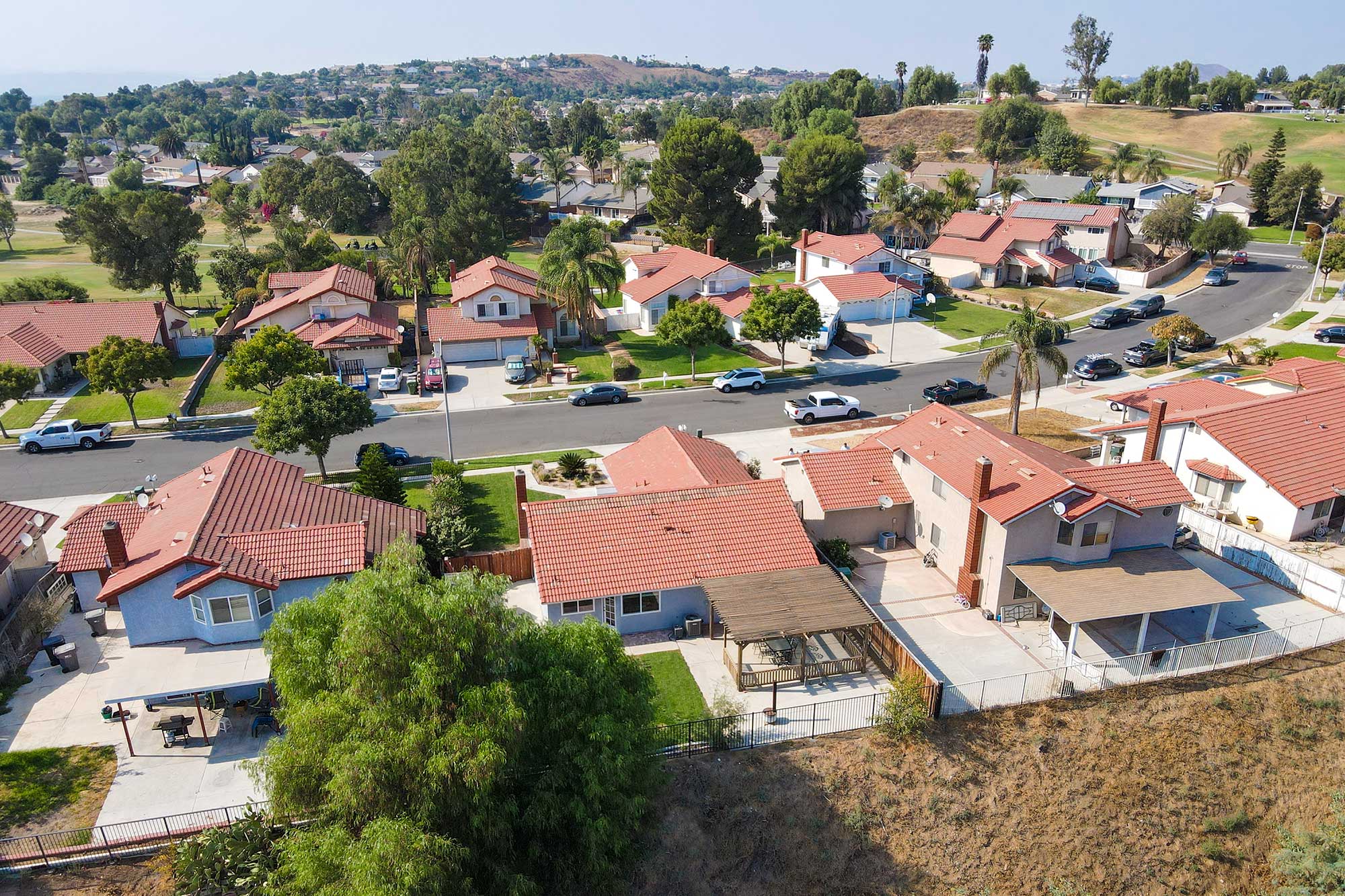
The YIMBY movement emerged in the mid-2010s as a direct response to California's severe housing affordability crisis, fueled by the rapid growth of the technology industry. The movement's core belief: increasing housing supply within expensive cities is the primary solution to the affordability crisis.
"The movement's origins are closely tied to figures like Sonja Trauss, a math teacher who began advocating for more housing construction in San Francisco, believing that the city's failure to house tech workers was spilling over and impacting neighboring areas."
The movement gained significant financial backing from Bay Area tech executives, including Dustin Moskovitz (Facebook co-founder), Nat Friedman (GitHub), and the online payments company Stripe, who collectively contributed millions to California YIMBY.
The Housing Theory of Everything
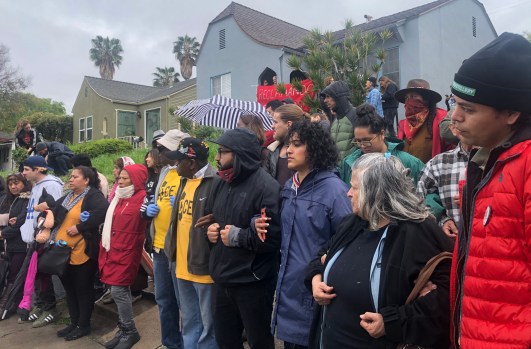
The movement adopted the "Housing Theory of Everything," which posits that housing shortages are a primary driver of social problems, including homelessness, inequality, population decline, and even climate change. California YIMBY argues that high housing costs directly worsen these major crises in the state.
Key Policy Victories
Landmark Legislation
The YIMBY movement achieved significant legislative victories, most notably SB 9 and SB 10, both signed into law by Governor Gavin Newsom in 2021. These bills represented historic challenges to single-family zoning and introduced new tools for denser housing development.
| Legislation | Year | Key Provisions | Primary Goal |
|---|---|---|---|
| SB 9 | 2021 | Allows duplexes & lot splits on most single-family lots (up to 4 units) | Increase "missing middle" housing, end exclusionary zoning |
| SB 10 | 2021 | Allows local govts to zone parcels for up to 10 units in transit-rich areas | Facilitate denser development near transit |
| AB 2011 | 2022 | Upzones commercial corridors for multifamily housing | Convert underutilized commercial land to housing |
| SB 4 | 2023 | Permits affordable housing "by right" on religious institution land | Leverage institutional land for affordable housing |
Intended Goals
- Streamline cumbersome approval processes
- Increase overall housing supply
- Reduce development costs and risks
- Promote "gentle density" in single-family neighborhoods
"The overarching theory posits that even if new housing is initially market-rate, it will eventually become more affordable as newer units are built—a concept critics call 'trickle-down housing.'"
Measuring Impact
Early Data Shows Limited Results
Despite legislative victories, early assessments reveal a significant gap between intent and outcomes. A 2025 report by YIMBY Law concluded that recent California laws had "limited to no impact" on construction of desperately needed housing.

Affordability Crisis Persists
Housing costs remain exceptionally high in major metropolitan areas. The income needed to qualify for a mortgage on a mid-tier California home reached $234,000 annually in March 2025—more than double the median California household income.
Key Affordability Metrics
- • Rents grew 38% since Jan 2020 vs. 24% wage growth
- • SF median 1-bedroom: $2,864 (6.4% YoY increase)
- • LA average rent: $2,158 (flat YoY)
- • >50% of SoCal renters pay >30% of income on rent
Timeline of YIMBY Movement
Mounting Opposition
Tenant Unions
Organizations like the LA Tenants Union argue that YIMBY policies neglect deep affordability and tenant protections in favor of market-rate development.
"YIMBY policies often neglect deep affordability and tenant protections in favor of a 'build, baby, build' approach."
Anti-Gentrification Groups
Critics contend that market-rate development can exacerbate displacement in working-class neighborhoods and communities of color.
Local Councils
Resistance rooted in "home rule" arguments and concerns about neighborhood character, infrastructure strain, and environmental impacts.
Democratic Party Divisions
Pro-Development "Abundance" Wing
Championed by figures like State Senator Scott Wiener, advocating for sweeping zoning reforms and streamlined development processes.
- • Focus on supply-side solutions
- • Belief in "filtering" process
- • Emphasis on deregulation
Tenant-Focused Progressive Wing
Led by State Senator Aisha Wahab, prioritizing protection of vulnerable communities and direct affordability measures.
- • Robust rent control advocacy
- • Strong tenant protections
- • Public investment in affordable housing
The Decline: Challenges to Momentum
Legislative Setbacks and Stalemates
The YIMBY movement began facing significant legislative setbacks as internal Democratic Party divisions deepened. The Senate Housing Committee, chaired by Senator Aisha Wahab in 2025, became a critical battleground where the "abundance" agenda met considerable resistance.

Key Legislative Challenges
SB 79 (Wiener)
Narrowly passed committee despite Wahab's objections
Duplex Conversion Bill
Killed in Wahab's committee, signaling policy shift
ADU Legislation
Continued success with 28,000 units permitted in 2023
Housing Policy Debate Framework
Shifting Political Landscape
The political landscape began shifting as the gap between legislative promises and practical outcomes became apparent. The movement's close association with tech industry funding and perceived alignment with developer interests became a liability.
"The rise of influential legislative figures like Senator Aisha Wahab signaled a shift in the balance of power within the Democratic Party, demanding greater assurances for affordable housing, labor standards, and protections against displacement."
Perspectives and Critiques
YIMBY Proponents
Supply-Side Solutions
Advocates argue that decades of underbuilding, exacerbated by restrictive zoning and NIMBY opposition, created a severe supply-demand imbalance driving up housing costs.
"Increasing overall housing supply, even if initially market-rate, will eventually benefit all income levels through filtering or by reducing competition for existing units."
Housing Theory of Everything
High housing costs are linked to broader social problems: homelessness, inequality, population decline, and climate change. Building near transit is crucial for reducing vehicle miles traveled.
Criticisms from Tenant Advocates
Displacement Concerns
Critics argue that market-rate development can increase demand for lower-income housing and exacerbate displacement pressures in vulnerable communities.
Trickle-Down Critique
Evidence shows that even when high-end rents decrease, low-end housing costs often continue rising, with relief not reaching the most at-risk renters.
Future Trajectory
Overall Assessment
The YIMBY movement's effect on California's housing crisis is mixed and still unfolding. While achieving significant discourse shifts and legislative victories, the net impact on housing supply and affordability has been limited thus far.
Positive Outcomes
- • Successful ADU boom (28,000 units in 2023)
- • Landmark legislation (SB 9, SB 10)
- • Shifted housing discourse toward supply solutions
- • Challenged exclusionary zoning practices
Persistent Challenges
Significant barriers remain, including high construction costs, local resistance, complex affordability mandates, and ongoing political divisions within the Democratic Party.
Current Reality
- • Minimal SB 9 uptake (140 permits statewide)
- • Continued affordability crisis
- • Growing tenant union opposition
- • Democratic Party internal divisions
Potential Future Directions
Policy Refinement
Greater focus on refining existing laws to make them more workable and enforceable, following the ADU success model.
Broader Coalitions
Integrating supply-side solutions with robust tenant protections and direct public investment in affordable housing.
Accountability Measures
Stronger enforcement mechanisms for state housing laws and Regional Housing Needs Allocation (RHNA) targets.