iOS 26:
The AI Revolution
A comprehensive analysis of Apple's privacy-first approach to artificial intelligence, featuring on-device processing, enhanced Siri capabilities, and groundbreaking local language models.

Executive Summary
iOS 26 represents Apple's most ambitious foray into artificial intelligence, built on three fundamental pillars: on-device processing for enhanced privacy, upgraded Siri capabilities with improved contextual understanding, and powerful local language models that power intelligent features across the system.
Privacy First
On-device processing ensures user data never leaves the device
Local Intelligence
~3B parameter LLM runs entirely on Apple Silicon Neural Engine
Developer Access
Foundation Models API brings AI to third-party apps
Apple Intelligence: The Core of iOS 26
On-Device Processing and Privacy
iOS 26 places a significant emphasis on on-device processing for its AI features, a core tenet of Apple's "Apple Intelligence" initiative [1], [2]. This approach ensures that sensitive user data, such as personal conversations, photos, and messages, are processed directly on the iPhone or iPad without being sent to external servers.
Key Insight
The approximately 3 billion parameter large language model that powers many of iOS 26's AI features runs entirely on-device, leveraging the Neural Engine within Apple Silicon for efficient and private operation [3].
Privacy Benefits
- No data transmission to cloud servers
- Compliance with GDPR and HIPAA
- Reduced latency for AI responses
- Offline functionality
Foundation Models Framework for Developers
A cornerstone of Apple's AI strategy in iOS 26 is the introduction of the Foundation Models framework [2], [3]. This framework provides developers with direct, privacy-focused access to Apple's on-device large language models (LLMs).
Framework Capabilities
Core Features
- • Content generation
- • Text summarization
- • Information classification
- • Semantic search
Advanced Tools
- • Guided prompt generation
- • Stateful sessions
- • Tool calling system
- • LoRA adapters
Device Compatibility for Apple Intelligence
The advanced AI features under the "Apple Intelligence" umbrella in iOS 26 have specific device compatibility requirements [16], [24].
iPhone
- • iPhone 16 series
- • iPhone 15 Pro
- • iPhone 15 Pro Max
iPad
- • iPad mini (A17 Pro)
- • iPad with M1+
- • iPad Pro with M1+
Mac
- • Mac with M1+
- • MacBook with M1+
- • Mac Studio with M1+
Siri Upgrades in iOS 26
Enhanced Contextual Understanding
iOS 26 brings significant upgrades to Siri, particularly in its ability to understand context and engage in more natural, conversational interactions [4], [6].
New Capabilities
- Natural conversation flow: Users can interrupt Siri, correct mistakes mid-command, or continue previous commands
- Screen context awareness: Understands content currently displayed on screen
- Multi-step tasks: Handles complex commands with multiple actions

Example Interaction
"Send this article to Sarah and add it to my reading list"
Siri understands context of current article and executes both actions
Future Timeline
While iOS 26 introduces foundational upgrades, more significant, personalized Siri features are still in development and will not be part of the initial release. Apple's software engineering chief, Craig Federighi, stated these capabilities "needed more time to reach our high quality bar," with details coming "in the coming year" [6], [14].
Local Language Models in iOS 26
On-Device LLM Architecture
iOS 26 introduces a significant advancement in on-device artificial intelligence with the integration of Apple's proprietary large language models, which are central to the "Apple Intelligence" features [3], [9].
Technical Specifications
Language Support and Expansion
The on-device large language models and associated Apple Intelligence features come with specific language support, with plans for future expansion [16], [24].
Initial Support
Coming Soon
Key Advantages
- Enhanced privacy
- Lower latency
- Offline functionality
- No API fees

The ~3B parameter model leverages Apple's Neural Engine for efficient on-device processing while maintaining powerful AI capabilities.
Key AI-Powered Features in iOS 26
Comprehensive Feature Overview
| Feature Category | Key Functionalities | On-Device | Key Benefits |
|---|---|---|---|
|
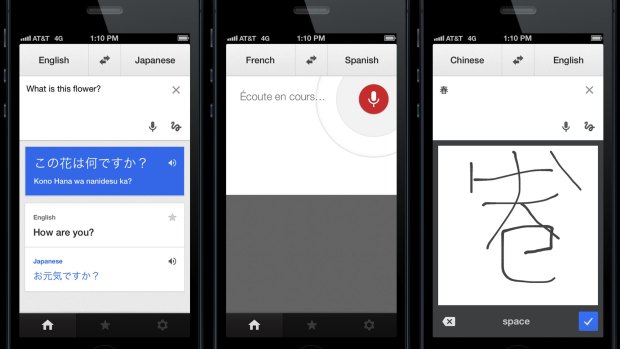
Live Translation
|
Real-time translation for voice (Phone, FaceTime) & text (Messages, Lock Screen, AirPods); Apple Music lyrics translation [35], [39] | Yes | Enhanced cross-language communication, privacy, speed |
|
Visual Intelligence
|
On-screen image search (e.g., products); contextual info extraction (e.g., dates, locations for calendar) [29], [40] | Yes | Seamless information discovery, enhanced productivity, privacy |
|
Genmoji & Image Playground
|
Create custom emojis from text/combinations; generate original images from text prompts (Animation, Sketch styles) [28], [38] | Yes | Enhanced creative expression, fun, personalized communication |
|
Writing Tools
|
Proofreading, rewriting, tone adjustment (friendly, concise, professional); text summarization; key points, tables, lists generation [28], [50] | Yes | Improved writing quality, efficiency, quick information digestion |
|
Smart Call & Messaging
|
Call Screening (AI transcript preview); Hold Assist (alerts when human answers); AI Voicemail Summaries [28], [38] | Yes | Reduced interruptions, efficient call management, quick voicemail prioritization |
|
AI-Powered App Suggestions
|
Contextual app suggestions (time, location, activity); AI-enhanced Shortcuts creation with natural language [36], [45] | Yes | Personalized device interaction, streamlined routines, improved productivity |
Developer Tools and APIs
Foundation Models API for App Integration
A major advancement for developers in iOS 26 is the introduction of the Foundation Models API (also referred to as the Foundation Models Framework) [28], [34]. This API grants third-party developers access to Apple's on-device large language models (LLMs).
API Benefits for Developers
Privacy First
On-device processing eliminates data transmission concerns
Cost Effective
No API keys or usage fees for on-device models
Easy Integration
As few as 3 lines of Swift code for basic functions
Advanced Features
LoRA adapters for fine-tuning, tool calling system
Xcode 26 Enhancements
Xcode 26 receives substantial upgrades with a built-in AI Assistant that can generate code, fix bugs, and write documentation [28].
- AI Assistant: Code generation, bug fixing, documentation
- Live Previews: Real-time SwiftUI debugging with animations
- Performance: Projects load 40% quicker
- Liquid Glass Toolkit: Test new design language effects
Swift 6 for AI Development
Swift 6 brings modern concurrency features and meta-programming tools particularly beneficial for AI applications [28], [31].
- Macros: Powerful meta-programming for code generation
- Typed throws: Safer error handling for AI operations
- Concurrency: Better task cancellation and scheduling
- Actors: Thread-safe model access management
Design and System Enhancements
Liquid Glass UI Redesign
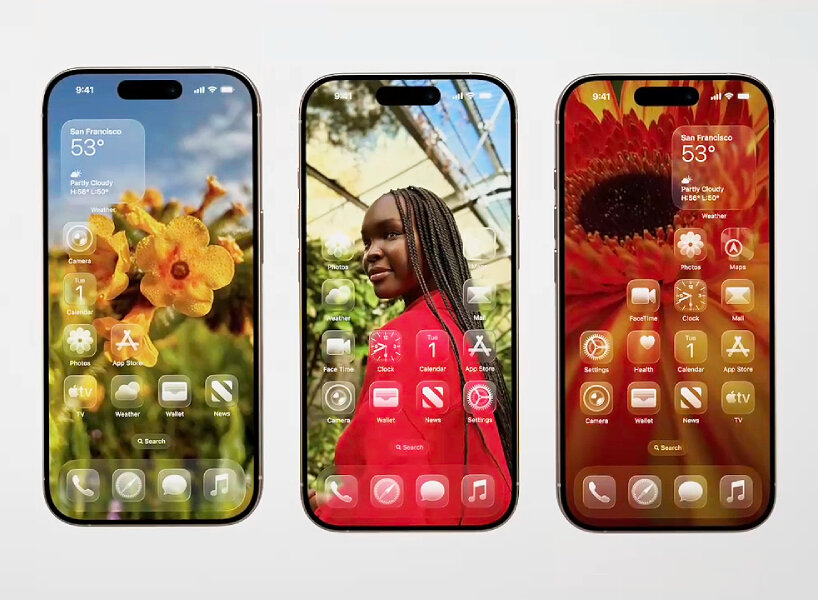
iOS 26 introduces a significant visual overhaul with the new "Liquid Glass" design language, marking Apple's largest design change to date and its first platform-agnostic design system [28], [29].
Design Philosophy
Inspired by Vision Pro visual elements, creating a more immersive and expressive interface that extends across the entire Apple ecosystem.
Unified Year-Based OS Naming
All major Apple operating systems released in 2025 share the "26" suffix, simplifying version tracking across platforms.
Performance and Battery Optimization
iOS 26 continues Apple's focus on performance and battery life, introducing new power-saving technologies and system optimizations [36].
Adaptive Battery
Learns usage patterns to optimize charging behavior
Performance Boost
Older devices run faster and smoother
AI Efficiency
On-device processing reduces cloud latency