July 2025:
The Month That
Redefined AI
A historic $79.88 billion investment surge transforms artificial intelligence from experimental technology to strategic business imperative, reshaping the competitive landscape forever.
The July 2025 AI Investment Surge
The month of July 2025 marked a pivotal moment in the artificial intelligence industry, characterized by an unprecedented concentration of capital, a strategic shift in investment focus, and the emergence of novel corporate acquisition models. This period saw a total of $79.88 billion in investment commitments, a figure that not only surpassed the total global AI funding for the entire first half of 2024 but also signaled a maturation of the market from experimental technology to a strategic business imperative. [295]
The Shift to Application-Layer Solutions
A defining characteristic of the July 2025 investment surge was a pronounced shift in focus from foundational AI infrastructure to practical, application-layer solutions. While previous years saw massive investments in the computational backbone of AI—such as data centers, GPUs, and foundational model training—July 2025 marked a clear pivot towards AI-powered products and services that address specific business needs. [295]
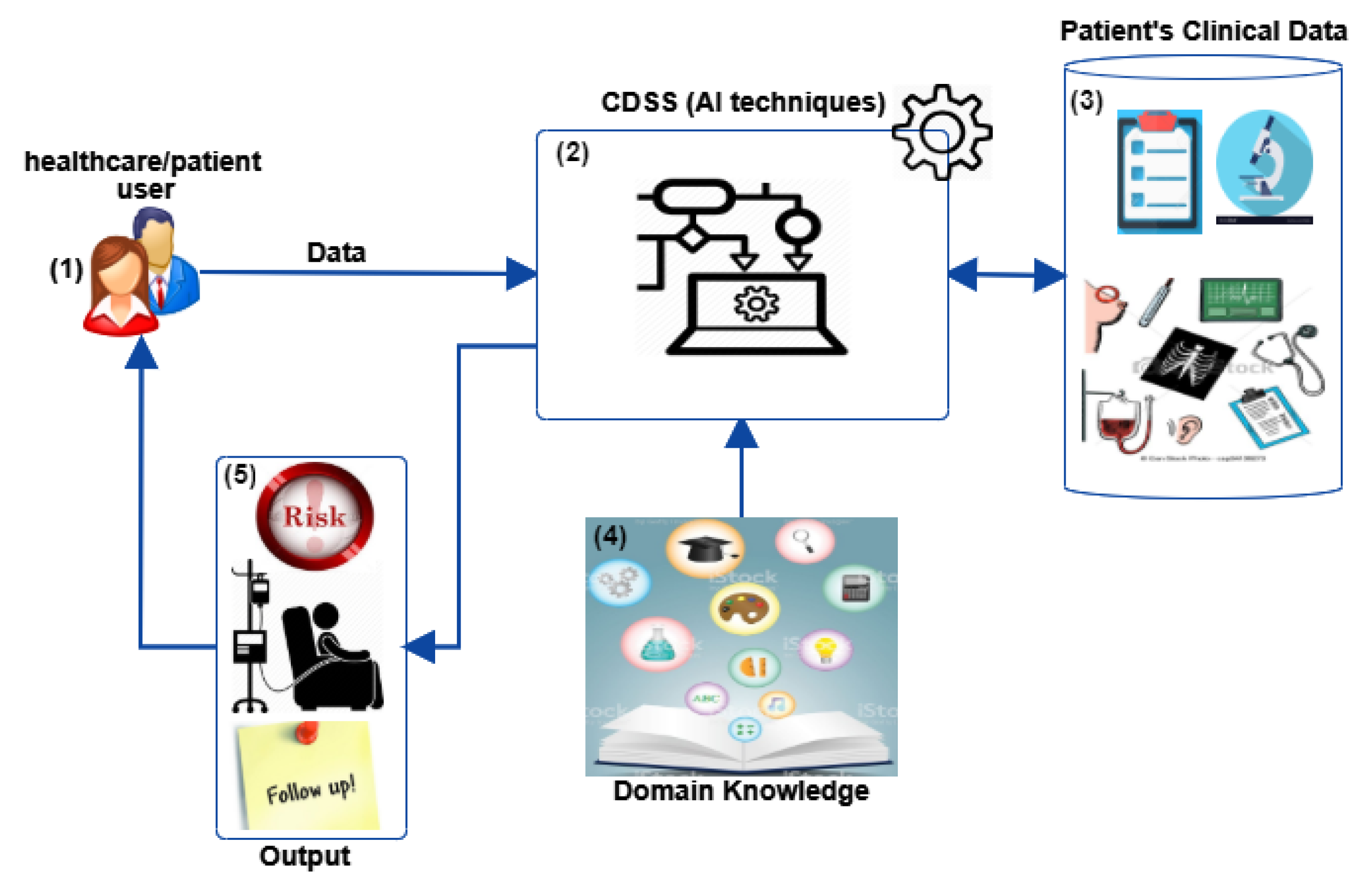
This trend was particularly evident in the healthcare sector, where startups like OpenEvidence and Ambience Healthcare attracted significant funding. OpenEvidence, for instance, secured $210 million in Series B funding for its AI platform designed to assist physicians with clinical decision-making, a clear indication of investor confidence in AI's ability to solve real-world problems in a high-stakes environment. [204]
Government Initiatives: The AI Action Plan
On July 23, 2025, the Trump administration released a comprehensive policy document titled "Winning the AI Race: America's AI Action Plan," outlining a sweeping strategy to cement U.S. dominance in artificial intelligence. This 28-page blueprint, accompanied by three executive orders, introduced over 90 federal policies designed to accelerate AI innovation, build domestic infrastructure, and lead in international diplomacy and security. [294]
Key Pillars of the AI Action Plan:
- Accelerating Innovation: Stripping away regulatory barriers, promoting open-source models, and increasing federal investment in AI research and development
- Building American AI Infrastructure: Modernizing and expediting permitting for data centers and semiconductor manufacturing facilities
- Leading in International Diplomacy and Security: Expanding U.S. AI exports and safeguarding American technology from foreign threats
Thinking Machines Lab: A Vision-Driven Powerhouse

Unprecedented Seed Funding
Thinking Machines Lab, founded by former OpenAI CTO Mira Murati, emerged in July 2025 with an unprecedented $2 billion seed round at a $12 billion valuation. This astronomical figure dwarfs the average seed round for AI startups in 2024, which was approximately $3.5 million. [308]
Investment Consortium
- Andreessen Horowitz (a16z) - Lead Investor
- Nvidia - Strategic Partner
- AMD - Strategic Partner
- Other Top-Tier VCs
Core Business Model: Vision-First Approach
The company's mission is to build "collaborative general intelligence" - AI systems that can work alongside humans as true partners, covering the entire spectrum of human skills rather than excelling in narrow domains. This vision-first approach focuses on building a foundational platform and core technologies that can be leveraged to create a wide array of future products and services. [309]
Key Success Factors
Founding Team Pedigree
Led by former OpenAI CTO Mira Murati, with roughly two-thirds of the initial team being former OpenAI employees from ChatGPT, DALL-E, and Codex development.
Long-Term Vision
Focus on fundamental research and collaborative general intelligence rather than short-term revenue generation.
Open-Source Strategy
Commitment to "significant open source offering" and democratization of AI technology.
Anthropic: The Enterprise AI Leader
Massive Funding & Valuation
Investment Highlights
- Led by Iconiq Capital ($1B commitment)
- Qatar Investment Authority participation
- Singapore's GIC involvement
- 43.9x forward revenue multiple
API-First B2B Strategy
Anthropic's business model is built around a B2B, API-first approach that prioritizes enterprise and developer adoption. Unlike competitors who rely heavily on consumer subscriptions, Anthropic generates an estimated 85% of its revenue from API usage and only 15% from chatbot subscriptions. [196]
Revenue Model
Market Leadership Metrics
xAI: Scaling Elon Musk's AI Ambitions
$10 Billion Funding Round
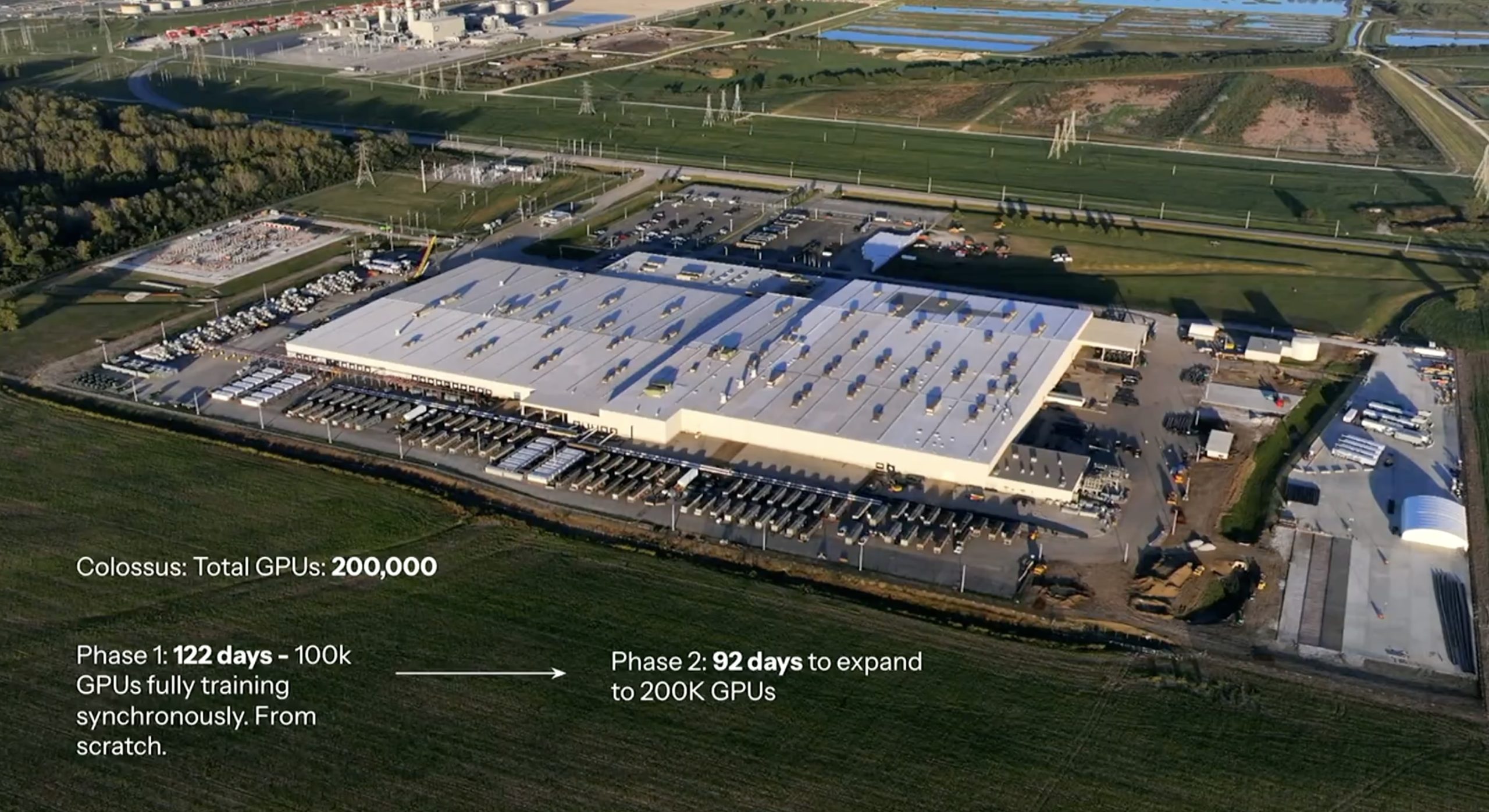
During the July 4th week of 2025, xAI announced a landmark $10 billion financing round, structured as a mix of $5 billion in strategic equity and $5 billion in term loans and secured notes, with Morgan Stanley leading the financing. This massive investment propelled xAI to an $80 billion valuation. [204]
Funding Structure
Multi-Tiered Business Model
Consumer Subscriptions
- • X Premium+ integration
- • Grok chatbot access
- • "Baby Grok" for children
- • Direct revenue stream
Enterprise API
- • API licensing model
- • Scalable revenue stream
- • Integration partnerships
- • Recurring revenue
Government Contracts
- • National security applications
- • Defense partnerships
- • Stable revenue source
- • Enhanced credibility
Key Success Factors
Integration with X Ecosystem
Massive user base for data collection and product distribution, creating a powerful flywheel effect.
Infrastructure Scaling
Building one of the world's largest data centers with massive GPU deployment for advanced model training.
Grok Platform Enhancement
Continuous improvement of AI capabilities, including kid-friendly "Baby Grok" version for wider accessibility.
OpenEvidence: Revolutionizing Healthcare with AI
Healthcare AI Success Story
OpenEvidence secured $210 million in Series B funding at a $3.5 billion valuation in July 2025. The round was led by Google Ventures and Kleiner Perkins, demonstrating strong investor confidence in AI's application to healthcare. [204]
Platform Capabilities
- Instant evidence-based clinical answers
- Comprehensive medical research database
- Physician decision support tools
- Hospital system integration
AI-Powered Medical Assistance Model
OpenEvidence's core business model centers on providing medical professionals with an AI-powered platform that helps them make more informed, evidence-based decisions. The platform serves as a comprehensive resource for medical information, providing instant access to clinical research, medical journals, and other relevant sources through an intuitive interface.
Freemium Model
Basic platform access for medical professionals with premium features for advanced users and institutions.
Ad Revenue
Targeted advertising for pharmaceutical companies and medical device manufacturers on the platform.
Enterprise Adoption
Hospital system integrations and enterprise licenses for healthcare organizations.
Key Success Factors
Critical Healthcare Need
Addresses the challenge of keeping up with latest research and clinical guidelines in real-time.
Strong Investor Backing
Google Ventures and Kleiner Perkins provide capital, network, and industry credibility.
Proven Market Traction
Growing adoption by medical professionals and recognition as essential clinical tool.
Other Notable AI Startups and Trends
The AI investment surge in July 2025 extended beyond headline companies, reflecting broad-based growth across diverse applications and industries.
Scale AI
Data Infrastructure for AI
Strategic investment and talent acquisition by Meta, highlighting the critical importance of data labeling and annotation services in the AI development pipeline. [321]
MapLight Therapeutics
AI in Neuroscience
Developing AI-powered treatments for neurological and psychiatric disorders, demonstrating AI's transformative potential in biopharmaceutical research. [227]
Ramp
AI-Driven Fintech
AI-powered financial operations platform serving corporate finance needs with advanced automation and intelligence capabilities. [227]
Ultromics
AI in Healthcare Diagnostics
AI platform for cardiovascular disease diagnosis through echocardiogram analysis, improving patient outcomes and reducing healthcare costs.
Emerging Investment Themes
Vertical AI Solutions
Investment focus shifted from foundational infrastructure to application-specific solutions in healthcare, finance, and other vertical markets.
- • Healthcare diagnostics and decision support
- • Financial operations automation
- • Manufacturing optimization
- • Scientific research acceleration
Strategic Partnerships
"Quasi-acquisition" models and strategic investments became dominant strategies for major tech companies to secure AI capabilities.
- • Talent acquisition without full M&A
- • Technology licensing agreements
- • Strategic equity investments
- • Regulatory-advantaged structures
Market Implications and Future Outlook
Transformative Market Dynamics
The July 2025 investment surge represents more than just a capital influx—it signals a fundamental shift in how AI is perceived and valued. The concentration of $79.88 billion in commitments within a single month demonstrates that AI has matured from experimental technology to a strategic business imperative.
Key Market Shifts
- Infrastructure to applications focus
- Vertical market specialization
- Government as active participant
- Novel deal structures emergence

Competitive Landscape Reshaped
The investment surge has fundamentally reshaped the competitive dynamics of the AI industry. Companies like Anthropic have overtaken early leaders like OpenAI in enterprise market share (32% vs 25%), while new entrants like Thinking Machines Lab have achieved unprecedented valuations at the seed stage. This rapid evolution suggests that competitive advantages in AI are increasingly tied to specialized capabilities, strategic partnerships, and execution speed rather than first-mover advantage alone. [169]
Long-Term Implications
Accelerated Innovation
Massive capital infusion will accelerate R&D timelines and bring advanced AI capabilities to market faster than previously anticipated.
Geopolitical Competition
U.S. government initiatives and export controls signal escalating global competition for AI supremacy, particularly with China.
Industry Transformation
Vertical AI solutions will drive transformation across healthcare, finance, manufacturing, and other key sectors.
The Path Forward
July 2025 marked the beginning of a new era in artificial intelligence—one characterized by unprecedented scale, strategic sophistication, and global significance. The companies and trends that emerged during this historic month will likely shape the trajectory of AI development for years to come.
As the industry moves forward, success will increasingly depend on the ability to deliver tangible business value, navigate complex regulatory environments, and build sustainable competitive advantages in an increasingly crowded and sophisticated market.