The Dragon's Seal
Unraveling the Mystery of the Zilong Ding
Hidden within the ancient bronze walls of China's largest Shang Dynasty vessel lies a two-character mystery that has puzzled scholars for decades. The enigmatic inscription "子龙" — Zilong — is more than a name; it's a portal to a world of ancient power, ritual, and symbolism that continues to captivate historians and archaeologists today.
A Portal to Ancient Power
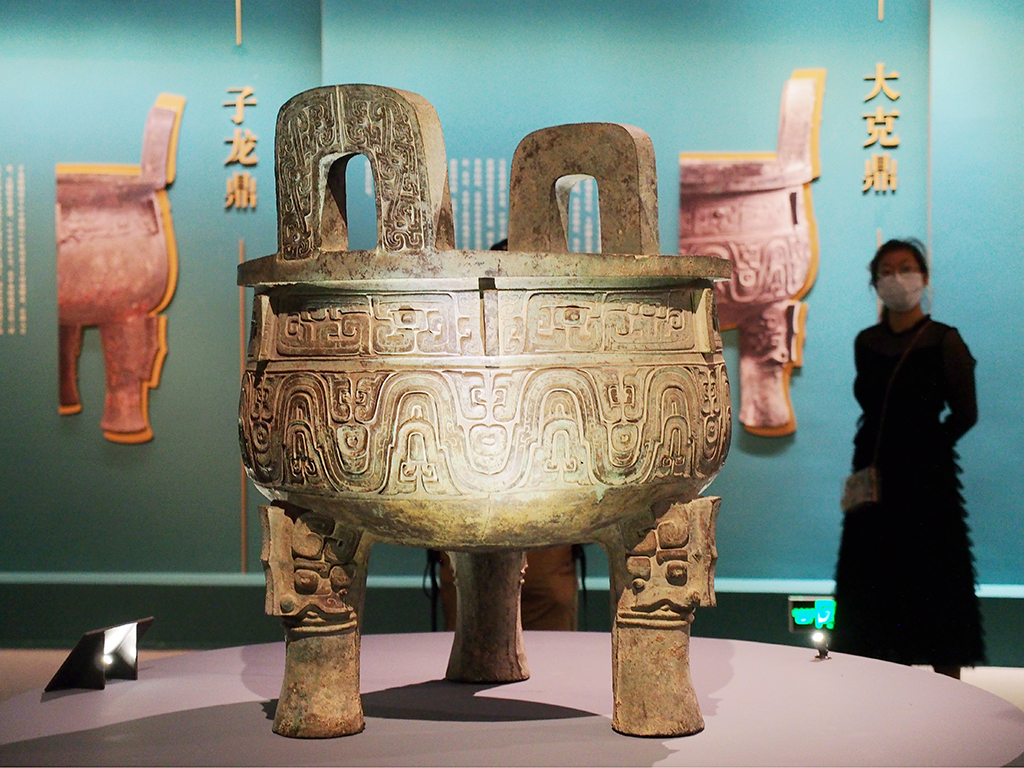
The Zilong Ding stands as one of the most magnificent artifacts from China's Shang Dynasty, yet its greatest mystery lies not in its imposing physical presence, but in two simple characters cast into its bronze walls. This monumental bronze vessel, weighing over 200 kilograms and standing more than a meter tall, represents the pinnacle of ancient Chinese metallurgy and artistic achievement. But it's the inscription "子龙" — Zilong — that transforms this artifact from a mere historical treasure into an enigma that bridges the ancient and modern worlds.
The Modern Odyssey
The vessel's journey through time reads like a historical thriller: discovered in the 1920s during China's turbulent republican era, it was spirited away to Japan by the notorious Yamanaka Company, where it remained hidden in private collections for over eight decades. Its repatriation to China in 2006 marked not just the return of a national treasure, but the beginning of a new chapter in understanding its significance.
Today, the Zilong Ding resides in the National Museum of China, where it serves as both a symbol of cultural heritage and a tantalizing mystery that continues to inspire scholarly debate and public fascination.
The Enigma of the Inscription
子龙"] --> B{"Interpretation Theories"} B --> C["Standard Theory:
Zilong 子龙"] B --> D["Alternative Theory:
Zigong 子龚"] B --> E["Mythological Theory:
Divine Connection"] C --> C1["子 = Noble title
龙 = Dragon name"] C --> C2["High-ranking official
in Shang Dynasty"] D --> D1["Visual similarity
between 龙 and 龚"] D --> D2["Matches other
known bronzes"] E --> E1["Connection to Earth Mother
Houtu 后土"] E --> E2["Gonggong 共工 lineage"] E --> E3["Julong 句龙 mythology"] style A fill:#F5F1E8,stroke:#9CA986,stroke-width:3px,color:#2C2C2C style B fill:#FEFCF7,stroke:#9CA986,stroke-width:2px,color:#2C2C2C style C fill:#F5F1E8,stroke:#9CA986,stroke-width:2px,color:#2C2C2C style D fill:#F5F1E8,stroke:#9CA986,stroke-width:2px,color:#2C2C2C style E fill:#F5F1E8,stroke:#9CA986,stroke-width:2px,color:#2C2C2C style C1 fill:#FEFCF7,stroke:#D4AF37,stroke-width:2px,color:#2C2C2C style C2 fill:#FEFCF7,stroke:#D4AF37,stroke-width:2px,color:#2C2C2C style D1 fill:#FEFCF7,stroke:#D4AF37,stroke-width:2px,color:#2C2C2C style D2 fill:#FEFCF7,stroke:#D4AF37,stroke-width:2px,color:#2C2C2C style E1 fill:#FEFCF7,stroke:#D4AF37,stroke-width:2px,color:#2C2C2C style E2 fill:#FEFCF7,stroke:#D4AF37,stroke-width:2px,color:#2C2C2C style E3 fill:#FEFCF7,stroke:#D4AF37,stroke-width:2px,color:#2C2C2C
The Standard Interpretation: A Noble of the "Zi" Lineage
"The inscription '子龙' represents the earliest known example of the 'dragon' character cast on a bronze vessel, transforming a simple name into a powerful symbol of authority."
— Artsaca Bronze AnalysisThe Character "子" (Zi)
The character "子" (Zi) served as a crucial marker of elite status in Shang Dynasty society. Oracle bone inscriptions frequently use the formula "子某" (Zi + name) to refer to individuals of high rank, including royal princes and powerful clan leaders [1]. This immediately places the Zilong Ding's owner within the upper echelons of Shang society.
The Character "龙" (Long)
The "龙" (Long) character represents the earliest known casting of the dragon symbol on bronze. Rendered with dynamic, double-outlined strokes, it transforms from mere writing into a living icon, suggesting the owner's deep connection to dragon symbolism and its associated power [1].
The Alternative Theory: A Case of Mistaken Identity?
Controversial Theory
Some scholars propose that the inscription may have been misread for centuries, suggesting an entirely different identity for the vessel's owner.
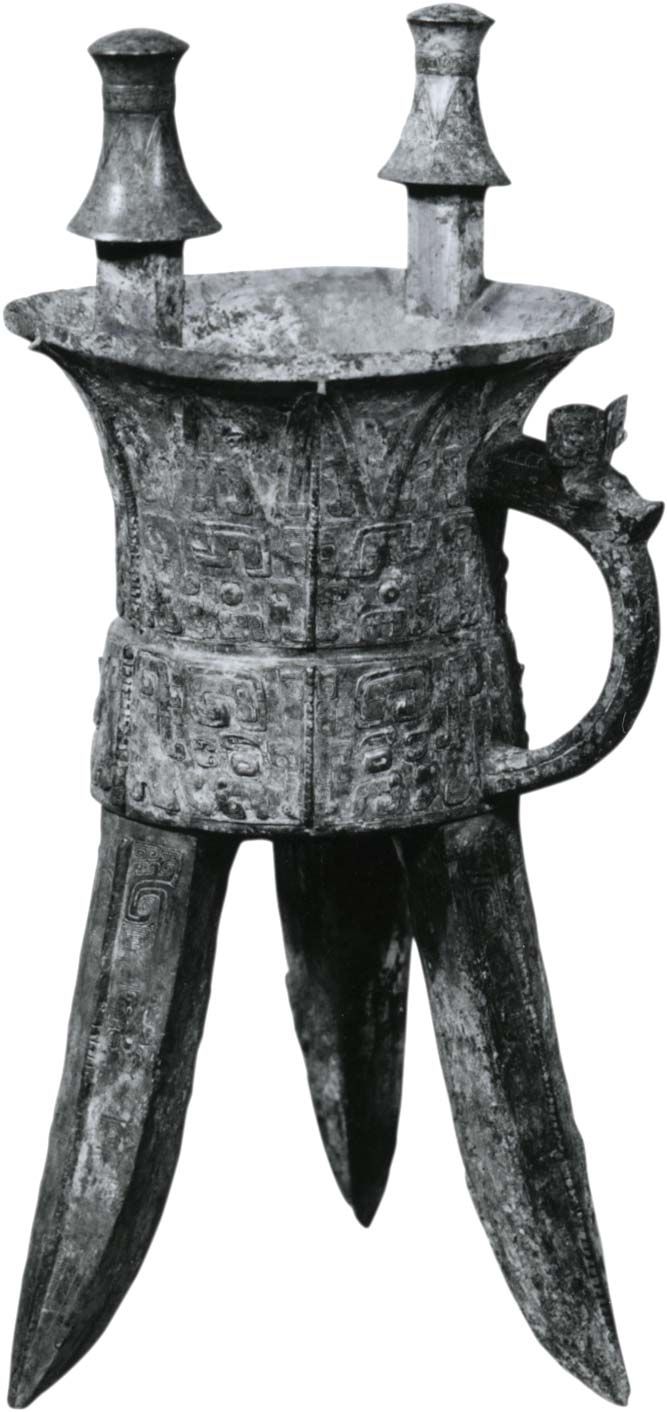
A compelling alternative theory challenges the conventional reading of "Zilong," proposing instead that the inscription should be read as "Zigong" (子龚). This theory is based on the visual and phonetic similarities between the characters "龙" (Long) and "龚" (Gong) in the Jin script of the Shang Dynasty [2].
Supporting Evidence: The "Zigong Dings"
Proponents of this theory point to the existence of a pair of bronze dings known as the "Zigong Dings," which bear the inscription "子龚" and were auctioned by Sotheby's. These vessels provide a direct parallel, suggesting that "Zigong" was indeed a known name in the late Shang Dynasty [2].
The Mythological Connection: Divine Lineage?

Beyond scholarly debates, a more speculative theory connects the Zilong Ding to ancient Chinese mythology. Drawing on texts like the "Tsinghua Bamboo Annals," some researchers suggest the name may reference mythical figures associated with the "Earth Mother" (后土), a powerful deity in ancient Chinese cosmology.
Gonggong 共工
Mythical water god, descendant of the Flame Emperor
Julong 句龙
Benevolent deity, also known as "Gonglong" 共龙
Houtu 后土
Earth Mother goddess, often depicted as dragon
A Masterpiece of Shang Dynasty Artistry
Physical Specifications
Source: Artsaca Bronze Analysis and Treasures Analysis
Taotie Motifs: Masks of Power
The Zilong Ding features powerful taotie (饕餮) motifs — stylized animal masks that represent a hallmark of Shang Dynasty bronze art. These composite creatures, drawn from various real and mythical beasts, served as protective guardians believed to shield the vessel from evil spirits.
The taotie on the Zilong Ding are rendered with exceptional skill, their intricate swirling patterns creating a sense of movement and supernatural energy. Their placement on the neck and legs of the vessel was strategically chosen to protect these vulnerable structural elements.
Restrained Elegance
Unlike some Shang bronzes covered in profuse decoration, the Zilong Ding exhibits remarkable restraint. This minimalist approach is not a lack of imagination but a sophisticated artistic choice, allowing the vessel's powerful form and harmonious proportions to speak for themselves.
The decoration represents a transitional style between the ornate middle Shang period and the more refined Western Zhou aesthetic, making the Zilong Ding a bridge between two artistic epochs.
Bronze Alloy Composition
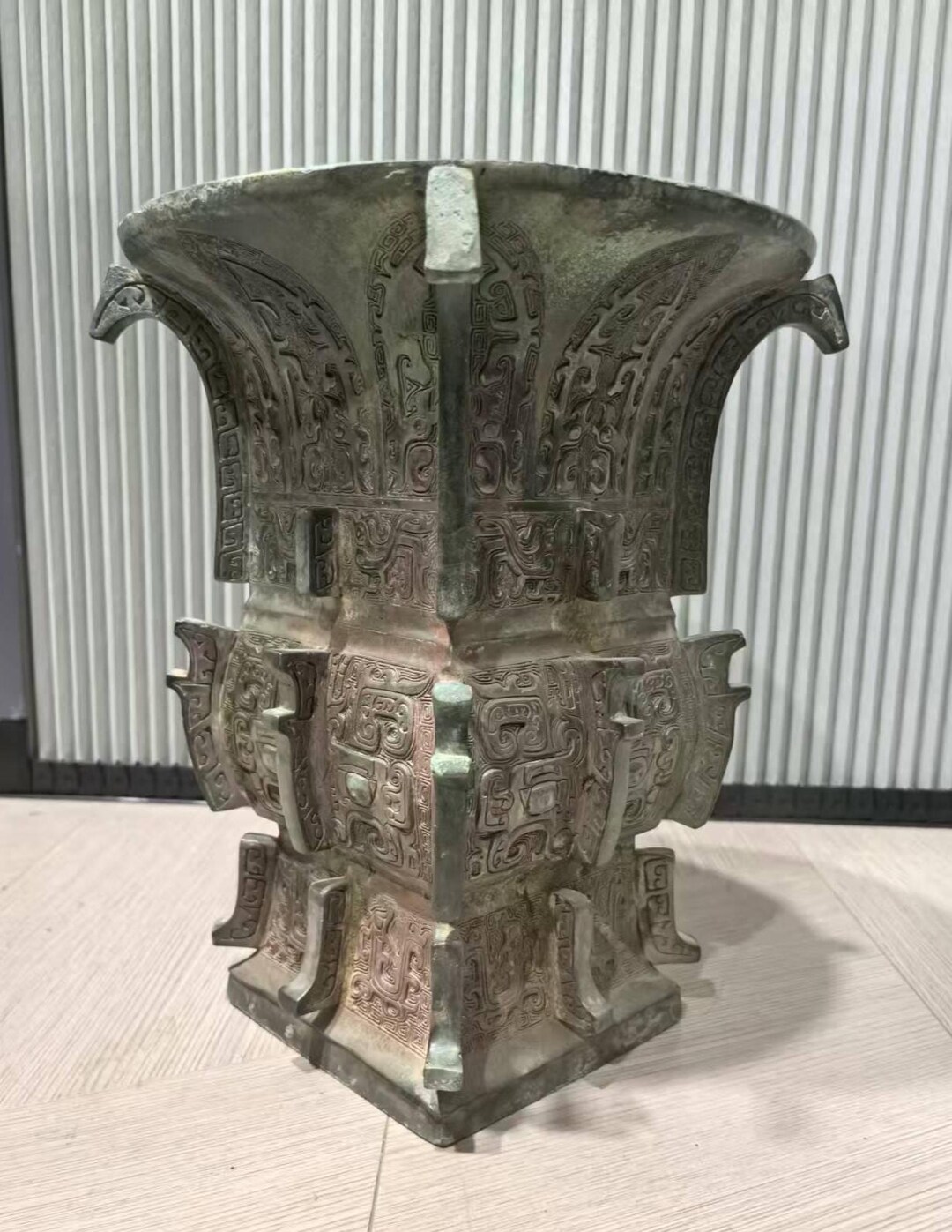
The vessel's exceptional preservation is due to the sophisticated bronze alloy used by Shang craftsmen — a carefully formulated mixture of copper, tin, and lead that provided optimal strength, durability, and casting properties. This technological mastery allowed the creation of such a massive vessel without defects.
A Tumultuous Journey Through Time
The Vessel's Odyssey
1920s - Discovery
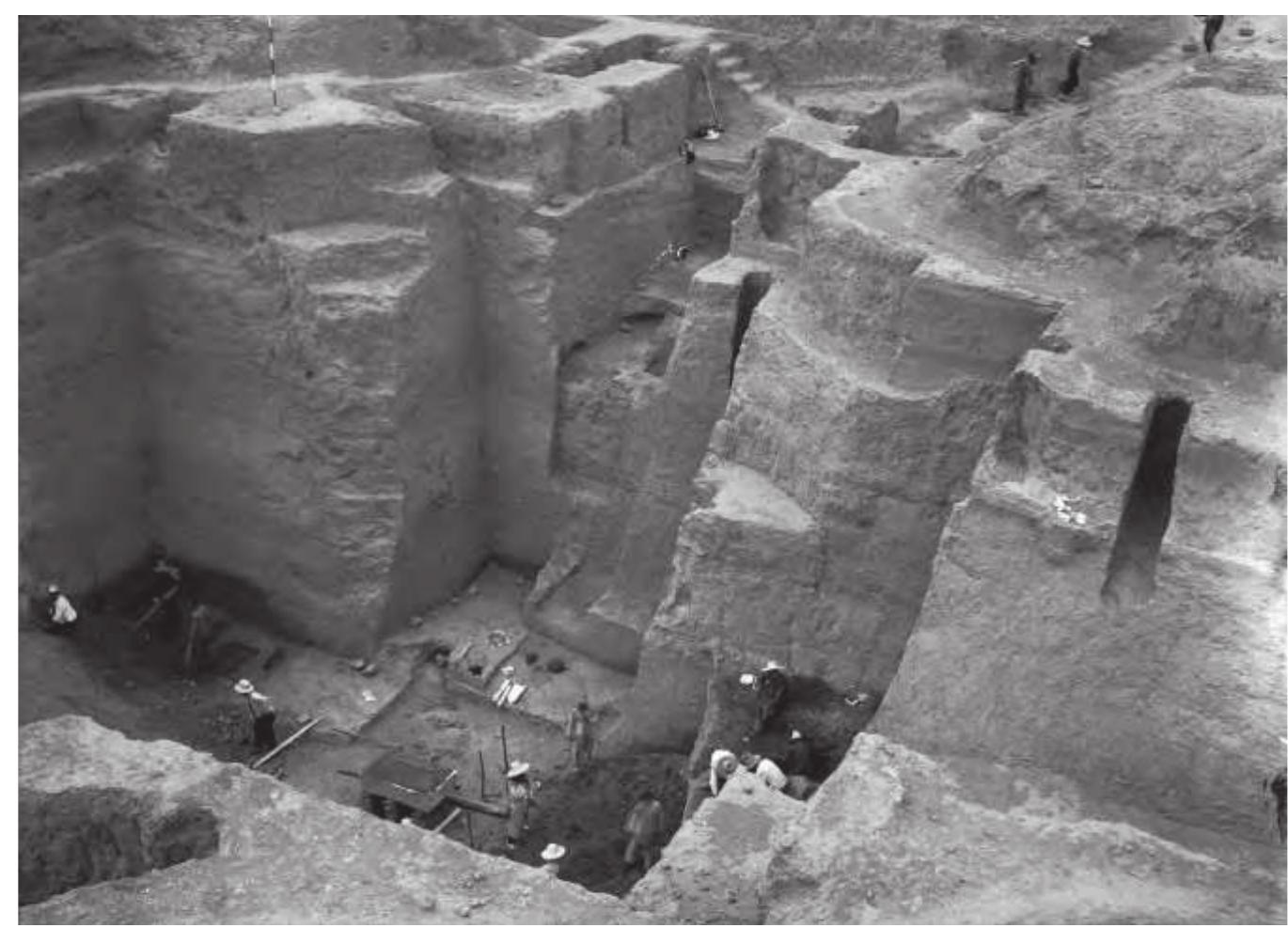
Unearthed in Huixian, Henan Province during China's republican era turmoil. The vessel's discovery coincided with a period of political instability that made cultural heritage protection challenging.
1920s-2004 - The Japanese Interlude
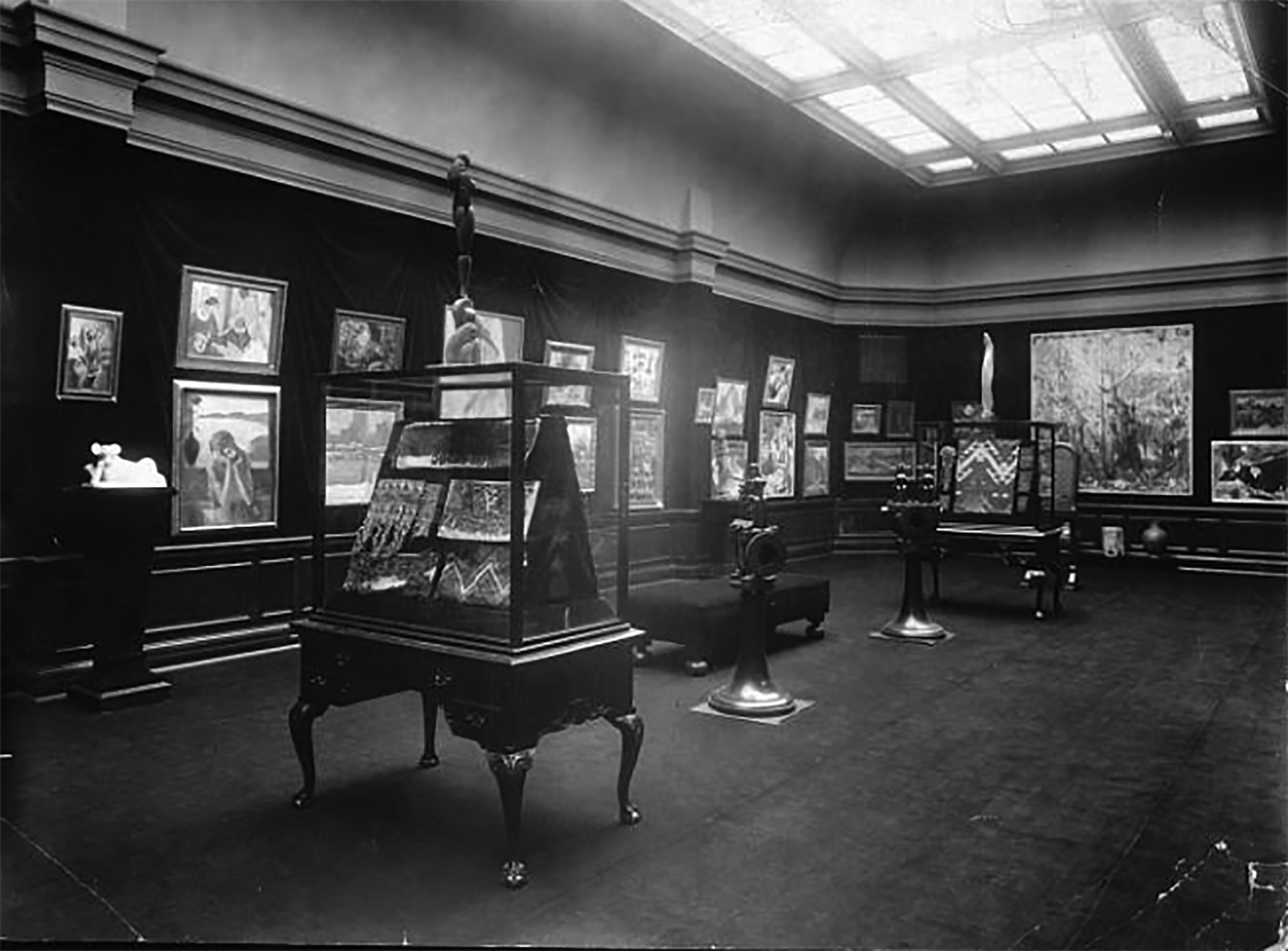
Acquired by the Yamanaka Company and transported to Japan. Spent over 80 years in private collections, including that of Sengoku Tadashi in Hyōgo, never publicly exhibited.
2004 - Rediscovery
Shanghai Museum experts identified the vessel during a research visit to Japan, recognizing it as a long-lost national treasure.
2006 - Repatriation
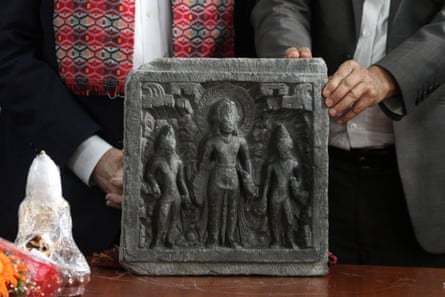
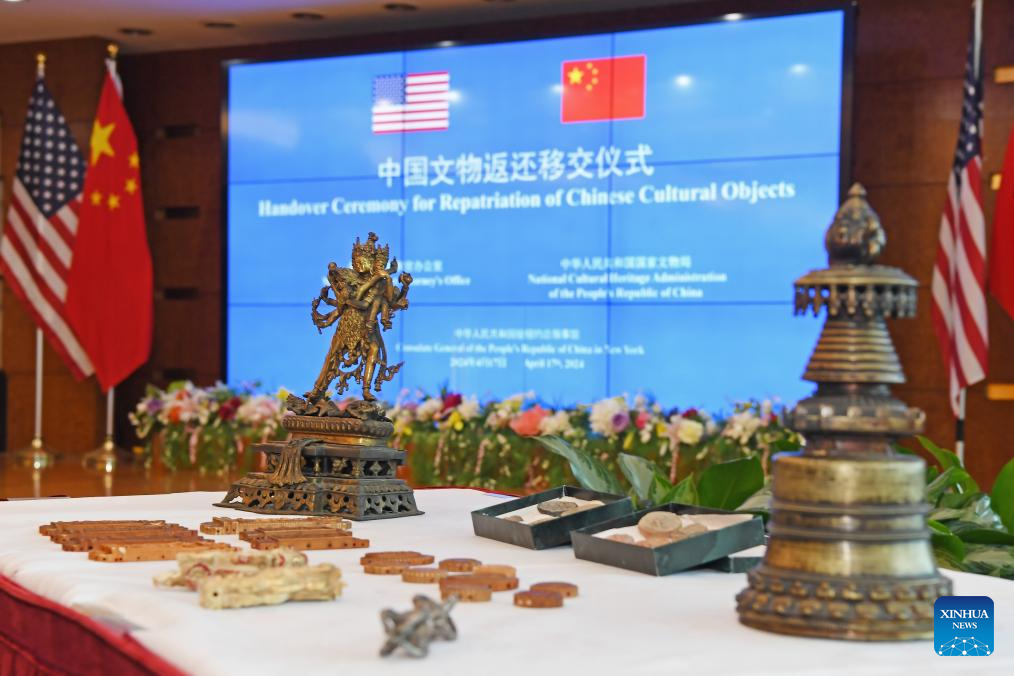
After complex negotiations involving Hong Kong intermediaries, the vessel returned to China for 48 million RMB and entered the National Museum of China's collection.
The Shadow of the Yamanaka Company
The Yamanaka Company played a pivotal and controversial role in the Zilong Ding's history. As one of the most significant dealers in Asian art during the early 20th century, the company facilitated the movement of countless Chinese artifacts to Western and Japanese collections.
The company's acquisition of the Zilong Ding represents a dark chapter in the vessel's history, highlighting the challenges China faced in protecting its cultural heritage during periods of political instability. The vessel's disappearance into private Japanese collections for over 80 years underscores the lasting impact of this era.
Legacy of Controversy
The Yamanaka Company's activities remain controversial among historians and cultural heritage advocates, representing the complex legacy of early 20th century art trade.
Symbol of Heritage and Identity
The Zilong Ding in its current home at the National Museum of China
A Crown Jewel of the Collection
Today, the Zilong Ding stands as one of the most important artifacts in the National Museum of China's collection. Its prominent display position reflects its status as both a masterpiece of ancient craftsmanship and a symbol of cultural repatriation success.
The vessel attracts visitors from around the world, serving as a tangible link to China's ancient past and a testament to the museum's commitment to preserving and showcasing Chinese cultural heritage.
Its presence in the national collection represents more than historical preservation — it embodies China's growing strength and confidence in protecting its cultural legacy.
Understanding Shang Dynasty Society
The Zilong Ding provides invaluable insights into Shang Dynasty social structures, religious beliefs, and artistic achievements. Its inscription offers a direct connection to the ruling class, while its massive scale demonstrates the dynasty's technological capabilities.
The vessel's form and decoration reveal the sophisticated aesthetic sensibilities of late Shang Dynasty craftsmen, representing a transitional period between the ornate middle Shang style and the more restrained Western Zhou approach.
As a ritual vessel, it illuminates the central role of ceremony and ancestor worship in Shang society, providing a window into the spiritual and political life of ancient China.
"The Zilong Ding is more than an artifact — it is a bridge between ancient and modern China, a symbol of cultural resilience, and a testament to the enduring power of art to transcend time and political boundaries."
— Cultural Heritage PerspectiveThe Unanswered Questions
Despite decades of study and the vessel's safe return to China, the Zilong Ding continues to guard its secrets. Each answer seems to lead to new questions, ensuring that this ancient bronze vessel remains a source of fascination and scholarly debate.
The Owner's True Identity
Was the owner truly named Zilong, or have we been reading the inscription incorrectly for centuries? The debate between "Zilong" and "Zigong" continues to challenge our understanding of this powerful figure from the Shang Dynasty court.
The Dragon's Meaning
What did the dragon symbol truly represent to the vessel's owner? Was it simply a name, or did it signify a deeper connection to divine power, mythical ancestry, or political authority that we have yet to fully comprehend?
The Lost Decades
What stories could the Zilong Ding tell of its 80 years in Japan? How many hands did it pass through, and what secrets of the international art trade might still be hidden in private collections around the world?
The Enduring Mystery
The Zilong Ding stands as a testament to the power of mystery in our understanding of the past. Each theory, each interpretation, each new discovery adds another layer to its story without diminishing its essential enigma.
Perhaps some mysteries are meant to remain unsolved, serving as eternal invitations to wonder, research, and imagine the lives and beliefs of those who came before us.