Carl Jung's
Engagement with Buddhism
Absorption, Reinterpretation, and Distortion in the East-West Dialogue
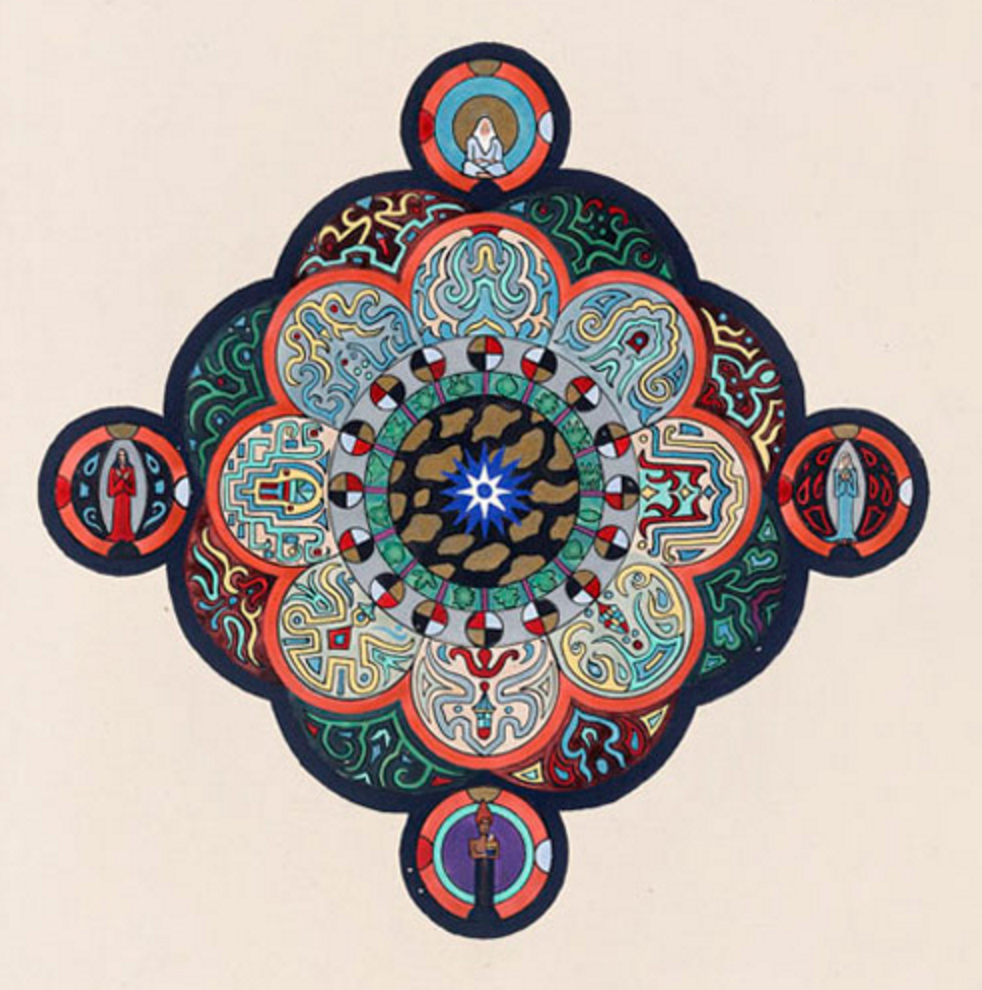
1. Introduction: The Confluence of Psyche and Spirit
The intellectual and cultural landscape of late 19th and early 20th-century Europe was marked by a burgeoning fascination with Eastern philosophies, a movement that provided the fertile ground for Carl Gustav Jung's profound engagement with Buddhism. This "allure of the East" was not a monolithic phenomenon but a complex interplay of philosophical inquiry, spiritual seeking, and a growing disillusionment with certain aspects of Western materialism and rationalism.
"The German philosopher Arthur Schopenhauer is widely credited as a pivotal figure in this Western discovery of Buddhism, introducing its core concepts of suffering (dukkha), the illusory nature of existence (maya), and the path to liberation to a European audience through his seminal work, The World as Will and Representation." [43]
Carl Jung's intellectual encounter with Buddhism was uniquely shaped by his professional and personal journey, particularly his departure from the psychoanalytic school of Sigmund Freud. While Freud's work on the unconscious was a major source of inspiration during Jung's early career, their eventual split in 1913 left Jung in a state of profound inner turmoil and professional disorientation. He described this period as feeling "totally suspended in mid-air," having not yet found his own theoretical footing [103].
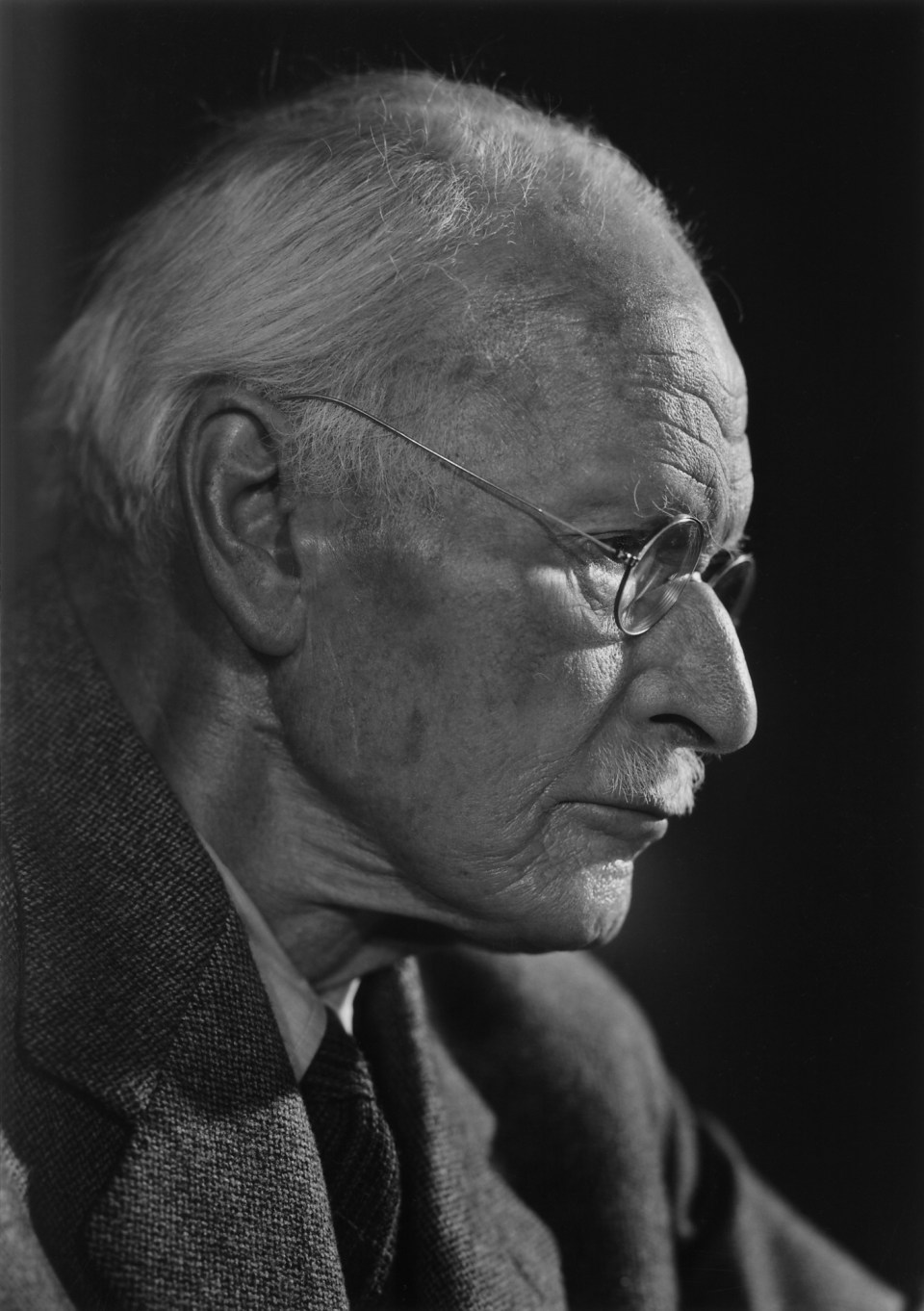
2. Historical Context and Initial Encounters
The Western Discovery of Buddhism
The intellectual journey of Carl Jung into the heart of Buddhism did not occur in a vacuum. It was made possible by a broader historical process often referred to as the Western "discovery" or "rediscovery" of Buddhism, a complex phenomenon that unfolded over several centuries and involved a cast of philosophers, scholars, and translators.
Key Historical Developments:
- Schopenhauer's Influence: Introduced Buddhist concepts to European intellectuals through The World as Will and Representation
- Translation Efforts: Pioneering work by scholars like Eugène Burnouf and Max Müller made Buddhist texts accessible
- Cultural Exchange: Technological advancements facilitated unprecedented flow of information between East and West [110]
Jung's Early Exposure
Historical documentation reveals that as early as 1901, during a holiday in Paris, a young Carl Jung was already recorded to have "thought often of the Buddha, whom he knew from reading Schopenhauer" [43]. This early exposure was formative, providing Jung with a pre-existing Western philosophical structure that could accommodate Buddhist concepts.
Between 1909 and 1914, Jung amassed one of Europe's most comprehensive private libraries of Buddhist texts, demonstrating his serious commitment to understanding Eastern thought. His decision to learn Sanskrit signaled his intent to engage with primary sources directly [43].
3. Key Collaborations and Textual Engagements
Richard Wilhelm
The German sinologist provided Jung with crucial access to Chinese philosophy, particularly through his translations of the I Ching and The Secret of the Golden Flower [164].
D.T. Suzuki
The Japanese Zen scholar provided the most direct and significant influence on Jung's understanding of Buddhism, particularly through their dialogue on Zen practices and the concept of satori.
Commentary on The Tibetan Book of the Dead
One of Jung's most significant engagements with Buddhism was his psychological commentary on the Bardo Thodol, popularly known as The Tibetan Book of the Dead. His interpretation, first published in 1935, transformed this traditional funerary text into a symbolic map of the inner psychological journey [173].
Jung saw the terrifying and benevolent deities that appear in the bardo not as external, supernatural beings, but as projections of the archetypal contents of the collective unconscious.
4. Philosophical Analysis: Core Concepts and Reinterpretations
The Self vs. No-Self (Anatta)
The relationship between Carl Jung's concept of the Self and the Buddhist doctrine of Anatta represents one of the most significant points of convergence and divergence in the dialogue between Analytical Psychology and Buddhism. At first glance, the two concepts appear to be diametrically opposed.
Jung's Self
The central archetype of wholeness, representing the integration of conscious and unconscious aspects of personality. It is the "God-image" within the psyche, the totality of the individual.
Buddhist Anatta
The teaching that there is no fixed, unchanging, or independent self (atman) to be found. What we perceive as "self" is merely a collection of ever-changing phenomena (skandhas).
Individuation and Enlightenment
The processes of individuation in Jungian psychology and enlightenment in Buddhism represent the ultimate goals of their respective paths. While both involve profound transformation of consciousness, they are understood and described in very different ways.
Key Parallels and Distinctions:
Parallels
- • Both involve "descent" into unconscious
- • Both require confronting the "shadow"
- • Both emphasize self-knowledge and wisdom
Distinctions
- • Jung: Psychological integration
- • Buddhism: Transcendent liberation
- • Different ultimate goals and frameworks
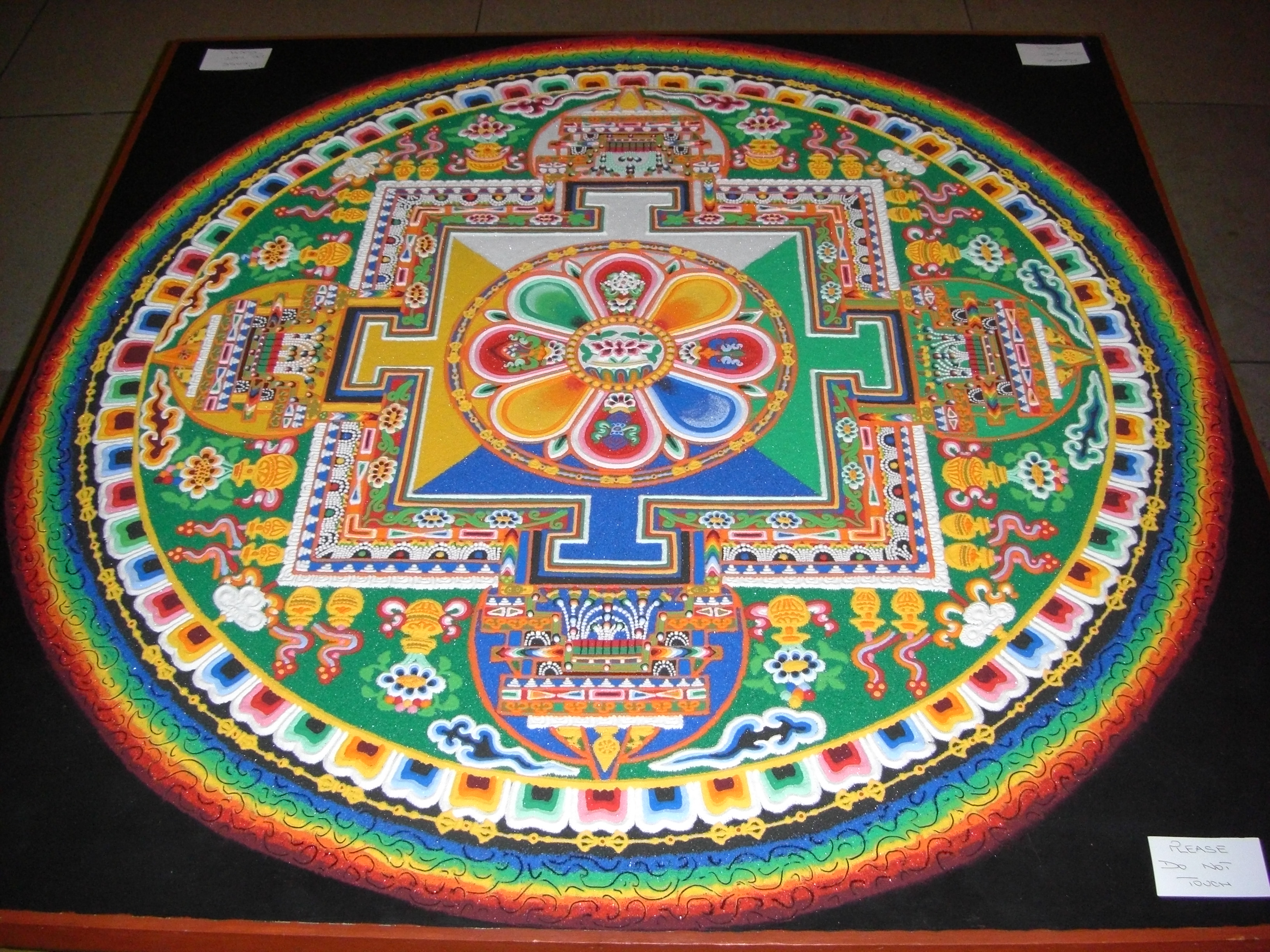
The Mandala as a Symbol
The mandala serves as a fascinating example of how the same symbol can be understood and utilized differently in Jungian psychology and Tibetan Buddhist practice. While both traditions recognize the mandala as a symbol of wholeness, their approaches diverge significantly.
5. Critiques and "Quiet Distortions" of Buddhist Ideas
Psychological Reductionism
One of the most significant critiques of Carl Jung's engagement with Buddhism is the charge of psychological reductionism. This critique argues that Jung consistently reduced complex religious and philosophical doctrines to psychological phenomena, interpreting gods, demons, and other symbolic figures as projections of archetypes rather than metaphysical realities.
Martin Buber's Critique
The Jewish philosopher Martin Buber argued that Jung's concept of the "God archetype" was a form of psychological reductionism that effectively eliminated the reality of a personal God. Buber saw Jung's approach as creating a "God-substitute" that replaced the living God with a dead symbol.
Eurocentrism and Orientalist Bias
Another major critique concerns Jung's tendency to characterize the East as "introverted" and the West as "extraverted." This created a false dichotomy that ignored the vast diversity and complexity of both cultures, while reinforcing romanticized and idealized images of the East.
Selective Text Usage
Jung often approached Buddhist texts with a pre-existing psychological framework, focusing on aspects that confirmed his theories while ignoring others.
Misinterpretation Examples
- • Conflating samadhi and nirvana
- • Re-sequencing bardo states
- • Oversimplifying bodhisattva ideal
"These misinterpretations, while often subtle, have the effect of 'psychologizing' the Buddhist tradition and reducing its rich and complex teachings to a set of psychological metaphors."
6. Practical Implications for Modern Psychology and Spirituality
Integration of Mindfulness and Meditation
Despite his cautions about direct application, Jung's engagement with Buddhism played a crucial role in paving the way for the integration of mindfulness and meditation into Western psychology. He was one of the first major Western thinkers to take Eastern contemplative practices seriously as sources of psychological insight.
Jung's Cautionary Approach
Jung believed that Westerners needed to first develop a strong and stable ego through Western psychotherapy methods before safely engaging in Eastern practices designed to transcend the ego. This led to his development of "active imagination" as a Western equivalent to Eastern meditation.
Legacy in Modern Psychology
Transpersonal Psychology
Jung's work was a major catalyst for this field, dedicated to studying spiritual and transcendent dimensions of human experience.
Humanistic Psychology
Influenced pioneers like Abraham Maslow and Carl Rogers, emphasizing human potential for growth and self-realization.
Mindfulness-Based Therapies
Paved the way for approaches like MBSR (Jon Kabat-Zinn) and MBCT, integrating contemplative practices with clinical work.
Cultural Authenticity Questions
The Jung-Buddhism dialogue raises important questions about cultural authenticity and the challenges of cross-cultural interpretation. As more Westerners engage with Buddhism, concerns arise about potential "dilution" or "misunderstanding" of the tradition, leading to debates about "Buddhist modernism" versus authentic practice.
7. Conclusion: A Complex and Enduring Legacy
The intellectual encounter between Carl Jung and Buddhism was a complex and multifaceted affair, characterized by both profound insights and significant distortions. Jung's work represented a pioneering effort to bridge the gap between Western psychology and Eastern spirituality, creating a dialogue that continues to influence contemporary thought.
Acknowledging Both Contributions and Critiques
Contributions
- • Legitimized Eastern contemplative practices in Western science
- • Developed analytical psychology framework
- • Opened dialogue between psychology and spirituality
- • Influenced transpersonal and humanistic psychology
Critiques
- • Psychological reductionism
- • Eurocentric and Orientalist biases
- • Selective use and misinterpretation of texts
- • "Psychologizing" of religious traditions
"The enduring relevance of the Jung-Buddhism encounter lies in its ability to speak to the deepest questions of human existence, to the quest for meaning, healing, and self-transcendence that is at the heart of all spiritual traditions."
Future Directions for East-West Dialogue
The dialogue initiated by Jung over a century ago is still evolving. Future directions require a more collaborative and interdisciplinary approach, combining the critical rigor of scholarship with the experiential wisdom of practice. The goal should not be to create a single unified worldview, but to foster deeper understanding and appreciation of human experience in all its diversity.
Key Principles for Future Dialogue:
- Interdisciplinary Collaboration: Between scholars, practitioners, scientists, and spiritual teachers
- Cultural Humility: Approaching other traditions with respect and willingness to learn
- Critical Engagement: Maintaining scholarly rigor while honoring experiential wisdom
- Social Relevance: Addressing contemporary challenges through cross-cultural understanding
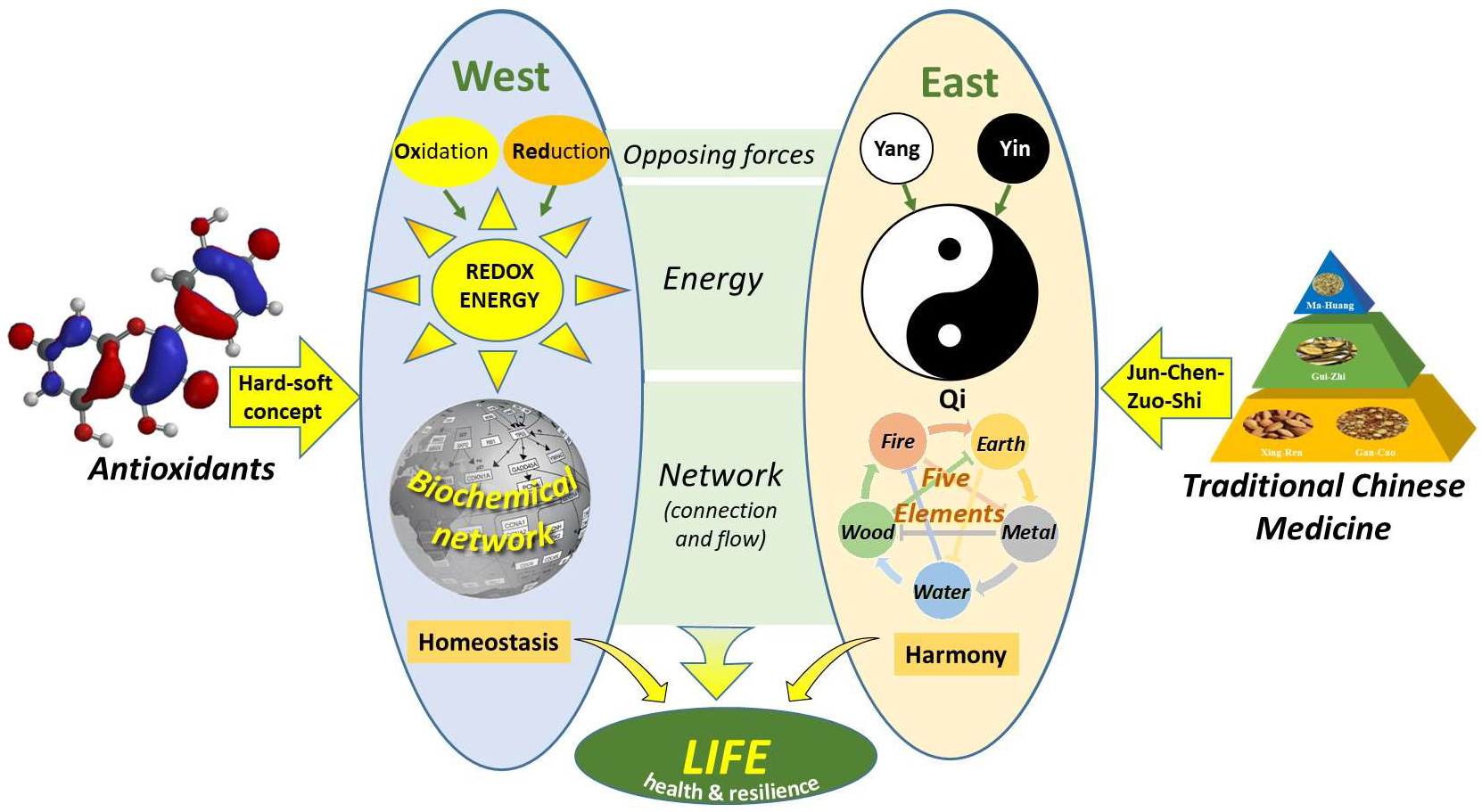
The legacy of the Jung-Buddhism dialogue is not a simple one. It is a testament to both the power and the pitfalls of cross-cultural exchange, calling for continued critical reflection and open-hearted engagement as we navigate the complex terrain of global spirituality in the modern world.