Illuminating
Wellness Innovation
How Thai magazines covered red light therapy's rise from scientific curiosity to mainstream wellness phenomenon in 2025
Executive Summary
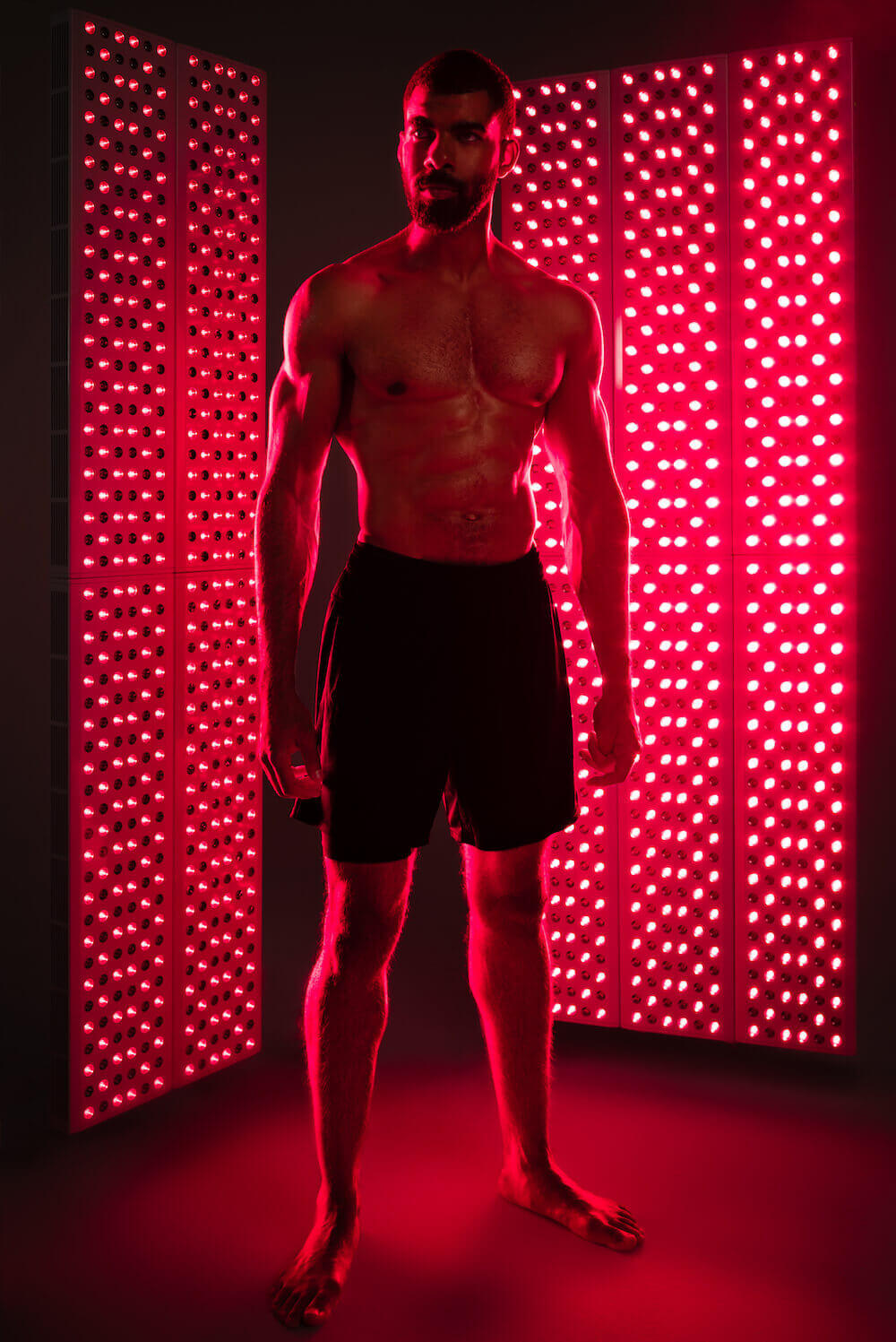
Major Thai magazines extensively covered red light therapy in 2025, with Bangkok Business News, VOGUE Thailand, GQ Thailand, and Fast & Fit leading coverage across scientific mechanisms, beauty applications, celebrity endorsements, and Bangkok's wellness scene.
Scientific Foundation
- • Mitochondrial ATP stimulation (600-850nm wavelengths)
- • Collagen synthesis for anti-aging applications
- • Athletic recovery protocols supported by cellular mechanisms
Market Dynamics
- • Bangkok emerging as regional hub with 25-50% pricing advantage
- • Celebrity drivers including David Beckham and Cillian Murphy
- • Device market fragmentation with quality differentiation challenges
Critical gaps remain in long-term efficacy data, device standardization, and regulatory frameworks, emphasizing the need for evidence-based consumer guidance.
Scientific Foundations & Mechanisms
Cellular Mechanisms of Photobiomodulation
The scientific understanding of red light therapy, formally known as photobiomodulation (PBM), has been extensively documented in Thai media throughout 2025. At its core, this therapeutic approach harnesses specific wavelengths of light to trigger biological responses at the cellular level without invasive characteristics.
Primary Mechanistic Pathway
Red light therapy enhances mitochondrial function and increases adenosine triphosphate (ATP) synthesis by stimulating cytochrome c oxidase, a key enzyme in the mitochondrial electron transport chain. Fast & Fit's December 2025 guide demonstrated that wavelengths between 660-850nm can increase cellular ATP production by up to 30%.
Wavelength Penetration Ranges
| Wavelength Range | Classification | Penetration | Primary Applications |
|---|---|---|---|
| 600-700 nm | Red light | Superficial (~5mm) | Skin rejuvenation, collagen stimulation |
| 700-850 nm | Near-infrared | Deep (muscle, joint) | Muscle recovery, joint pain |
| 630-660 nm | Optimal red | Targeted skin absorption | Fine lines, wrinkles, skin texture |
| 810-850 nm | Optimal near-infrared | Maximum tissue penetration | Athletic recovery, chronic pain |
Source: VOGUE Thailand October 2025
Clinically Validated Applications
Collagen Synthesis & Skin Rejuvenation
Stanford Medicine's February 2025 review documented "hundreds of studies" showing how red light plumps skin features through increased collagen production.
Hair Follicle Stimulation
Historical roots trace to Endre Mester's 1960s experiments, with mechanisms involving vasodilation and improved nutrient delivery to hair follicles.
Muscle Recovery & Pain Management
Physio Bangkok materials cite benefits including accelerated muscle repair and temporary relief of muscle soreness and joint aches.
Wound Healing & Tissue Repair
Original medical applications involved enhanced fibroblast proliferation and collagen deposition for wound healing.
Beauty & Skincare Applications
Anti-Aging & Wrinkle Reduction
At-Home LED Mask Devices
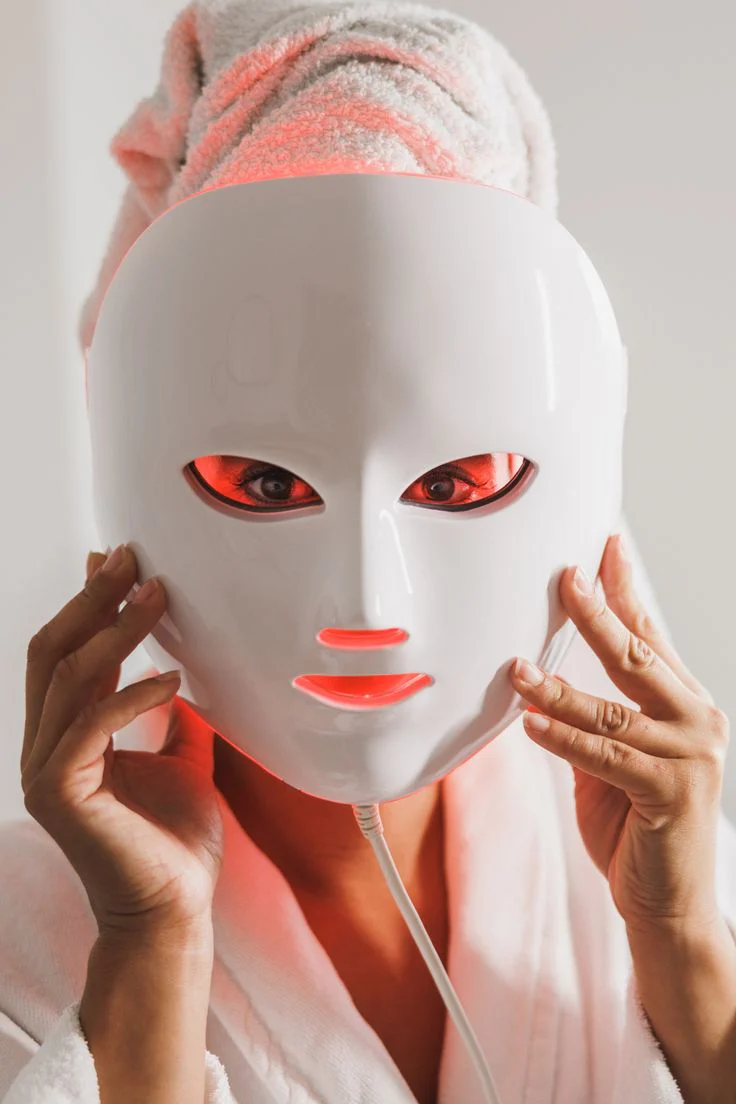
EvenSkyn's technical analysis revealed substantial heterogeneity in device quality, with LED count being a poor predictor of performance.

Professional Clinic Treatments
Bangkok's Thonglor and Ekkamai districts have emerged as concentration zones for advanced wellness facilities offering higher power output and precise wavelength control.
Critical Technical Parameters
Effective devices require:
- Irradiance: Minimum 100 mW/cm² at treatment distance
- Wavelength precision: 630nm for red light, 830nm for near-infrared
- Coverage uniformity: Flexible designs that "hug the face" minimize scatter
- Session duration: Calibrated to device power output for adequate cumulative dose
Professional Treatment Pricing in Bangkok
| Facility Tier | Single Session | Key Differentiator |
|---|---|---|
| Accessible Premium | 900 THB | Private ice bath + infrared sauna combination |
| Mid-tier | 2,000-4,000 THB | Brand positioning, facility investment variation |
| Ultra-premium | 3,000-6,000 THB | Medical integration, luxurious environment |
Source: Fast & Fit Bangkok Analysis 2025
Acne & Skin Condition Management
Blue vs. Red Light Protocols
Combinations of blue (~415nm) and red (630-700nm) light have emerged as standard protocols, with blue light reducing C. acnes microbial burden and red light addressing inflammatory components.
Inflammation Reduction Mechanisms
Anti-inflammatory effects extend beyond acne to rosacea, psoriasis, and atopic dermatitis through cytokine modulation and enhanced tissue repair processes.
Celebrity Influence & Lifestyle Trends
High-Profile Endorsements

David Beckham's Recovery Regimen
GQ Thailand reported that "legendary footballer David Beckham still uses red light for Red Light Therapy to restore muscles from pain and inflammation, and also uses it on his face together with skincare."
This dual-purpose usage exemplifies the versatile appeal driving mainstream adoption, with Beckham's sustained visibility carrying particular weight.
Cillian Murphy's Skincare Routine
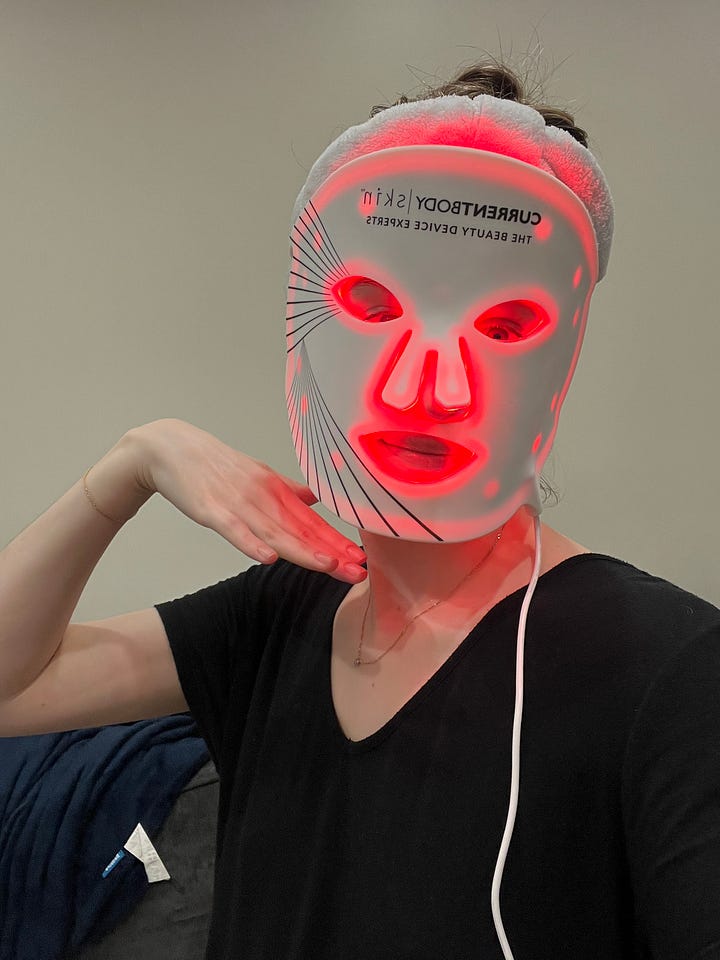
Reports from Gareth Bromell, Murphy's personal groomer, noted that "during the awards season from Oscars to Golden Globes, Cillian often uses a red light mask in his skincare steps."
This contextualization positions red light therapy as a performance-enhancing tool for high-stakes appearances.
Social Media Amplification
The visual nature of red light therapy—glowing devices, mask-wearing users, before/after documentation—lends itself particularly well to image-focused platforms. The Lemon8 platform was mentioned as hosting red light therapy content, suggesting cross-platform distribution beyond traditional magazine readership.
Award Season & Red Carpet Preparation
Pre-Event Treatment Protocols
The Murphy example suggests intensive short-term usage prior to high-visibility appearances, with implied rapid efficacy sufficient for awards season preparation.
Professional Oversight Impact
Celebrity usage often occurs within comprehensive aesthetic management programs supervised by personal groomers, indicating that professional oversight likely optimizes outcomes in ways that unsupervised home usage may not replicate.

Bangkok Wellness Scene & Clinic Offerings
Premium District Concentrations
Thonglor & Ekkamai
Epicenters for advanced wellness treatments with world-class facilities specializing in photobiomodulation
Sukhumvit Corridor
Premier medical tourism destination with JCI-accredited facilities and international patient services
Sathorn District
Efficiency-oriented treatments for professionals with focus on athletic recovery and performance optimization
Clustering Benefits
This geographic concentration reflects network effects, referral networks, and demand concentration from affluent, internationally-oriented consumers creating markets for premium services.
Bangkok vs. International Pricing Comparison
| Market | Typical Cost | Thailand Advantage |
|---|---|---|
| Thailand | $200-400 USD | Baseline |
| United States | ~$400 USD | 25-50% below US rates |
| Australia | Higher than US | 30-50% below |
Source: Bookimed Medical Tourism Platform 2025
Thai clinics typically include consultation and follow-up evaluations in package prices, unlike per-session US pricing models.
Facility Differentiation Strategies
Privacy-Focused Studios
Fast & Fit differentiates by offering "completely private Ice Bath and Infrared Sauna experience" addressing discretion preferences of premium clientele
Medical-Grade Equipment
"Medical-grade" terminology signals superior capabilities, with FDA clearance status providing verifiable quality indicators
Integrated Ecosystems
Combination of red light therapy with complementary modalities like ice baths and infrared saunas for purported synergistic effects
Biohacking & Performance Optimization
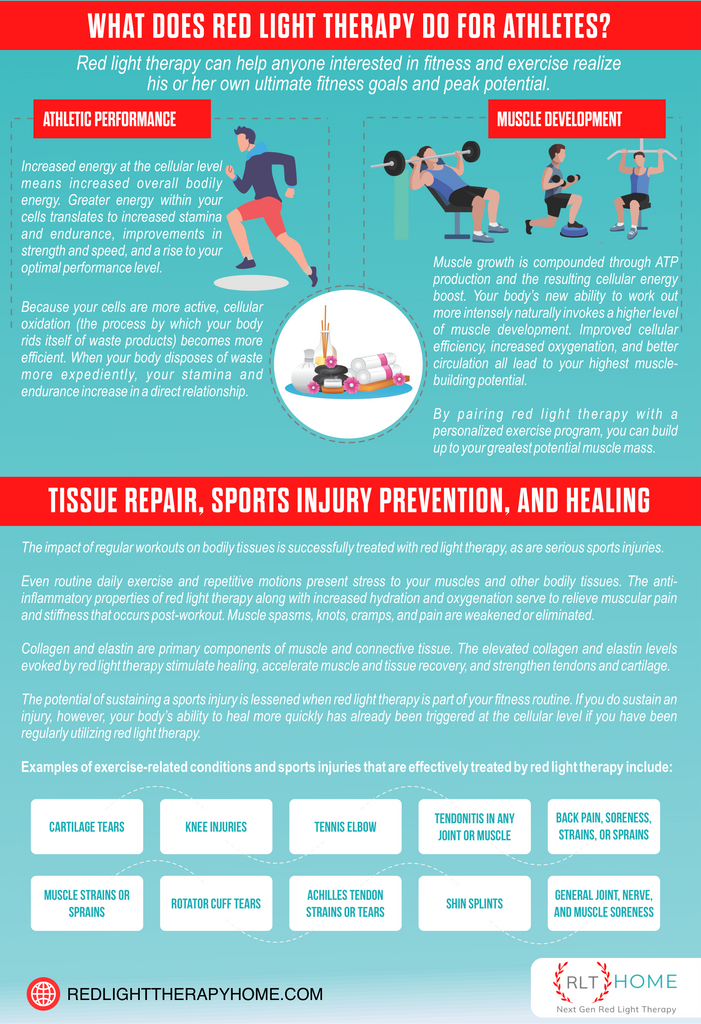
Athletic Recovery Protocols
Post-Training Inflammation Management
Exercise-induced muscle damage triggers inflammatory responses that red light therapy may attenuate through cytokine modulation and reduced oxidative stress.
Joint Mobility & Pain Approaches
Physio Bangkok materials cite "joint pain reduction for chronic conditions" and "restores motion to joints."
Sleep Quality Enhancement
Fast & Fit's benefits include "sleep quality enhancement via circadian rhythm regulation," though the mechanistic basis is less established.
Robust clinical trial evidence for specific joint conditions remains limited, with treatment decisions appropriately incorporating individual response assessment.
Bangkok's Urban Wellness Context
Energy Restoration for High-Intensity Lifestyles
Thai Daily Digest's analysis contextualized Bangkok's environment: "It just slowly pulls energy from your nervous system—through noise, heat, screens, deadlines, and nights that never quite go dark."
Infrastructure vs. Wellness Positioning
This positions red light therapy as "infrastructure" rather than "wellness" for "founders, athletes, and professionals who can't afford 'off days'"—a sophisticated market positioning that transcends traditional wellness categorization.
Medical Tourism & International Patient Services
Thailand's Competitive Positioning
JCI-Accredited Facilities
64 centers with JCI certificate—the largest such concentration globally, compared to Israel (20) and Germany (10)
English Coordination
Many providers speak English fluently, especially in clinics catering to international patients, with personal medical coordinators providing comprehensive support
Travel Logistics
Visa policies support 3-6 month stays, with optimal travel period November-early April considering climate factors
Competitive Advantages
Bookimed emphasizes that "Thai clinics usually include the initial consultation, all red light therapy sessions, and follow-up evaluations in the price," whereas "in the U.S., you often pay per session, with extra charges for consultations or additional treatment areas."
Treatment Verification Protocols
Practitioner Qualifications
Verify certifications and memberships with reputable organizations such as ISAPS, and request information about training background and experience
Equipment Certification
Request information about devices used at the clinic before booking. Reputable clinics should provide documentation upon request
Safety Compliance
JCI accreditation encompasses hygiene and safety standards. For non-accredited facilities, patient-initiated facility tours are recommended
Critical Perspectives & Evidence Gaps
Scientific Limitations
Study Methodology Variability
Stanford Medicine review explicitly notes that "red light devices come in a variety of shapes and sizes, have different potencies and prescribed time of use, making comparative effectiveness measurement challenging."
Long-Term Efficacy Data Deficits
The durability of effects represents particularly important uncertainty. Most clinical trials follow patients for weeks to months rather than years, with maintenance protocols empirically underdetermined.
Device Standardization Challenges
EvenSkyn analysis documents that "very few companies disclose irradiance" and marketing emphasis on irrelevant metrics like LED count systematically misdirects consumer attention.
Critical gaps remain in long-term efficacy data, device standardization, and regulatory frameworks, emphasizing the need for evidence-based consumer guidance.
Marketing vs. Medical Claims
Athletic Performance Enhancement Debates
Stanford Medicine review explicitly notes that "other applications, such as improving athletic performance, lack data" relative to more robust evidence for dermatological applications.
Consumer Protection Considerations
GQ Thailand's precautionary note regarding sun-sensitive individuals represents important but limited safety guidance. More comprehensive contraindication coverage would enhance consumer protection.
Evidence Quality Spectrum
- • Strong evidence: Collagen synthesis, skin rejuvenation, hair growth
- • Moderate evidence: Wound healing, inflammation reduction
- • Limited evidence: Athletic performance enhancement
- • Preliminary evidence: Cognitive enhancement, neuroprotection
Market Dynamics & Industry Outlook
Global & Regional Growth Projections
Asia-Pacific Market Expansion
The Asia-Pacific region's projected compound annual growth rate of 11.9% for the broader light therapy market provides important context for Thai market development, reflecting rising disposable incomes and expanding medical tourism infrastructure.
Thailand-Specific Demand Drivers
- • Aging demographic seeking non-invasive anti-aging solutions
- • Expanding middle class with increased discretionary wellness spending
- • Medical tourism infrastructure attracting international patients
- • Cultural openness to innovation accelerating market penetration
- • Growing fitness culture creating athletic recovery demand

Technology Evolution Trajectories
Wearable Innovation
Progression from clinic-based equipment to consumer devices, and increasingly to wearable formats including textile-integrated LEDs and flexible patch formats
AI Integration
Algorithm-optimized treatment protocols personalizing wavelength, duration, and frequency based on individual response patterns and biometric data
Regulatory Evolution
Potential for Thai FDA framework clarification, including specific guidance for wellness versus medical applications and international harmonization efforts
Consumer Decision Framework
| Decision Factor | Recommendation | Priority |
|---|---|---|
| Device Selection | Verify irradiance (≥100 mW/cm²), wavelength precision (630nm/830nm), FDA clearance | Critical |
| Treatment Protocol | Consistency over intensity: 15-20 min, 3-4× weekly, 8-12 week courses | High |
| Provider Selection | Request device documentation, verify practitioner qualifications | High |
| Expectation Management | Results require sustained use; benefits diminish with cessation | Medium |
| Safety Screening | Consult healthcare provider if photosensitive, pregnant, or on medications | Critical |
Source: Comprehensive analysis of 2025 Thai media coverage and clinical evidence