Detection.Space
Seven AI Agents, One Autonomous Defense Platform
Transforming traditional SOCs into autonomous, AI-driven defense ecosystems that achieve 24/7/365 operational coverage with detection-to-response latencies measured in minutes.
Platform Impact
Platform Overview
Autonomous AI-Driven Security Operations
Detection.Space represents a paradigm shift in cybersecurity operations, transforming traditional human-centric Security Operations Centers (SOCs) into autonomous, AI-driven defense ecosystems. The platform deploys seven specialized autonomous AI agents that collectively execute the complete threat detection lifecycle—from proactive threat hunting and intelligence synthesis through detection engineering, validation, automated response, and continuous documentation—without requiring constant human intervention [21].
Key Performance Targets
Deep Splunk Ecosystem Integration
Detection.Space achieves operational effectiveness through deep native integration with the Splunk ecosystem, leveraging Splunk's market-leading position in enterprise security information and event management (SIEM). The Sigma Architect agent specifically bridges generic detection logic and Splunk implementation through automated Sigma-to-SPL translation—converting YAML-based Sigma rules into optimized Splunk queries that respect field mappings, performance characteristics, and CIM compliance [21].
Core Architecture
Multi-Agent Orchestration Layer
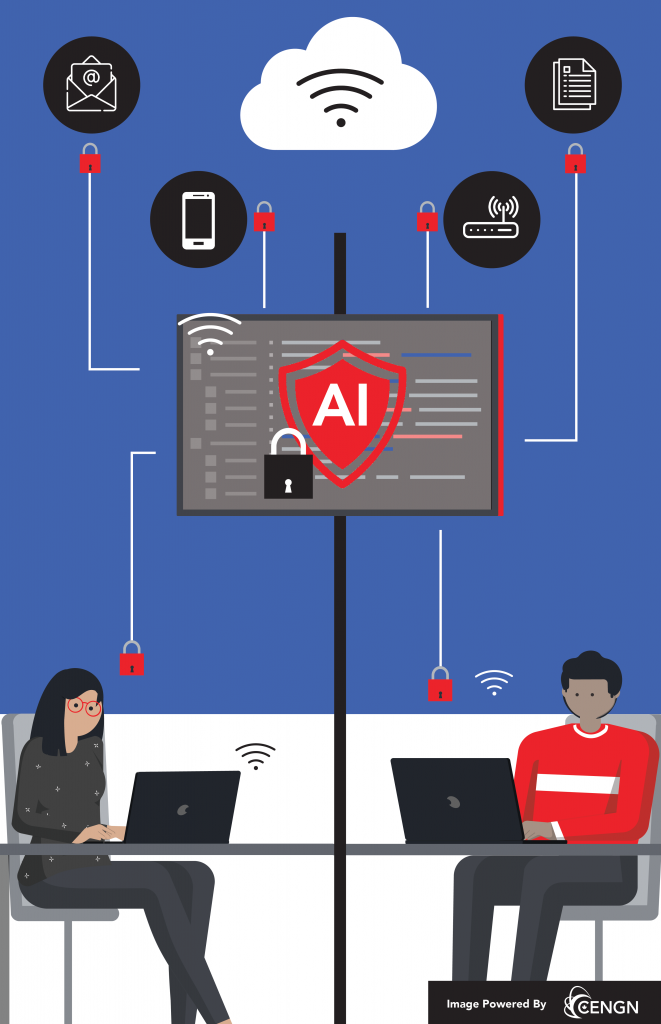
The multi-agent orchestration layer implements sophisticated coordination patterns that enable seven autonomous agents to function as a coherent collective intelligence. The architecture combines hierarchical task decomposition, peer-to-peer negotiation, and shared state repositories.
Dynamic Agent Coalitions
Temporary team structures assembled for specific missions. When Threat Hunter identifies suspicious lateral movement, it automatically convenes a coalition with Intel Synthesizer, Sigma Architect, and Responder agents.
Threat Intelligence Pipeline
Collection Phase
- • OSINT feeds and commercial intelligence
- • Internal hunt findings and incident data
- • Dark web monitoring and ISAC contributions
Analysis Phase
- • Actor attribution and infrastructure mapping
- • Campaign identification and TTP correlation
- • Predictive modeling for proactive defense
Seven Autonomous AI Agents
Each agent specializes in a critical function of the threat detection lifecycle, operating autonomously while collaborating through structured protocols.
Agent 1: Threat Hunter
Primary offensive security reconnaissance capability—actively seeking adversary presence rather than awaiting alerts. Embodies the hunter mindset with curiosity about anomalies and persistence through false leads.
Core Capabilities
Tool Integrations
Risk Management
Authority Level: High — Production query execution with resource limits. Human approval required for scope expansion and disruptive actions.
Agent 2: Intel Synthesizer
Central nervous system for threat knowledge management—integrating sensory input from dozens of sources into coherent operational understanding. Enables anticipatory defense through predictive modeling.
Intelligence Pipeline
Tool Integrations
Agent 3: Sigma Architect
Detection engineering specialist bridging generic threat detection logic with Splunk-optimized implementation. Translates the 3,000+ rule SigmaHQ community corpus into production-ready SPL.
Translation Pipeline
Output Repository
Rules Page: Public repository presenting canonical Sigma YAML alongside translated SPL with Validator certification badges and community contribution workflows.
Agent 4: Validator
Quality assurance engine for detection reliability ensuring only validated, effective detection logic reaches production. Implements continuous validation with automatic flagging of performance degradation.
Synthetic Testing
- • Atomic Red Team integration
- • Caldera attack simulation
- • Custom attack chain construction
Statistical Validation
- • Precision/recall analysis
- • Confidence interval estimation
- • Power analysis for significance
Performance Monitoring
- • Baseline deviation detection
- • Statistical process control
- • Drift identification algorithms
Authority Level: Blocking
Critical quality gate - no rule deploys to production without Validator certification. Automated pass/fail decisions with defined escalation paths for edge cases.
Agent 5: Responder
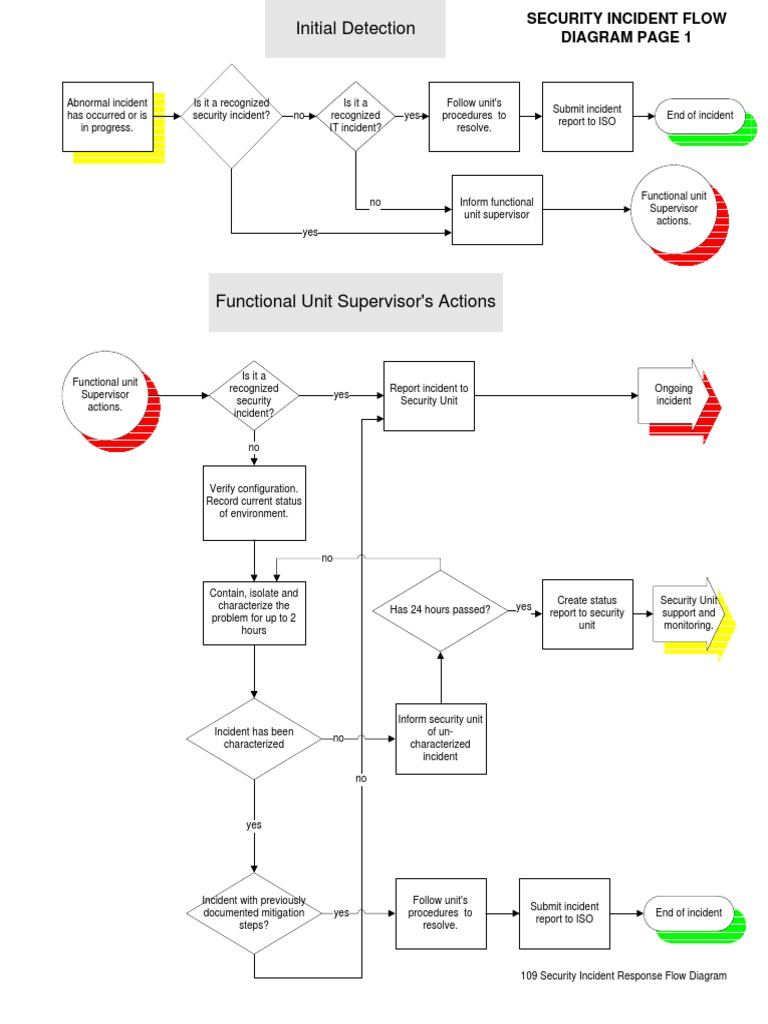
Active defense and mitigation specialist translating detection outputs into concrete protective actions that minimize adversary dwell time. Executes containment with speed and precision for time-critical scenarios.
Response Capabilities
Automated Actions
Conditional Autonomy
Critical Authority: Infrastructure modification capability with highest scrutiny. Automated execution for pre-approved playbooks with human-in-the-loop for high-impact or novel scenarios.
Agent 6: Archivist
Institutional memory and compliance recorder ensuring comprehensive, searchable, auditable records of all security operations. Transforms ephemeral agent activities into durable organizational knowledge.
Documentation Outputs
- Case reports with timeline reconstruction
- Executive summaries and trend analyses
- Compliance documentation (SOC 2, ISO 27001)
- Blog Page content and knowledge base entries
Compliance Frameworks
Tool Integrations
Agent 7: Stage Monitor
User experience and observability layer transforming autonomous AI complexity into transparent, interactive, trustworthy human-machine collaboration. Makes agent reasoning comprehensible and enables meaningful oversight.
Live Stage Interface
Interface Components
Live Feed Stream
Real-time agent thought streams with timeline visualization via WebSocket connections
Cognitive State Display
Confidence levels, active hypotheses, planned actions with D3.js visualizations
Chat Interface
Natural language interaction with context-aware responses and command injection
Progressive Disclosure
Summary information by default with drill-down to detailed reasoning chains, supporting both routine monitoring and deep forensic investigation.
Platform Interface Sections
Threat Intel Section
Central repository for AI-discovered intelligence, providing real-time visibility into the Intel Synthesizer's continuous aggregation and analysis activities.
New IOC Discoveries
Freshly identified indicators with confidence scores, source attribution, and reliability assessment
Emerging Threat Campaigns
Structured campaign descriptions with TTPs, targeting patterns, and timeline analysis
Vulnerability-Exploit Mapping
CVE-to-exploit technique associations with active exploitation indicators
Insight Page
Operational visibility into the Splunk environment, serving as the central dashboard for understanding what Detection.Space watches, validates, builds, and mitigates.
Watch Capabilities
- • Index health and ingestion monitoring
- • Search performance and resource utilization
- • Detection coverage gaps (MITRE ATT&CK)
- • Data source availability verification
Rules Page
Public repository of AI-generated Sigma rules, demonstrating Detection.Space's detection engineering output while enabling community contribution.
Rule Presentation
Stage Page
Signature innovation providing real-time window into autonomous AI cognition, transforming opaque automation into transparent, trustworthy collaboration.
Live Components
Technical Integration & Deployment
Splunk Ecosystem
- • SDK & API utilization
- • Index and search head configuration
- • App and add-on deployment
- • Universal Forwarder integration
Sigma Ecosystem
- • Backend converter configuration
- • Rule repository synchronization
- • Community standard adherence
- • Bidirectional synchronization
Security & Auth
- • API key management & rotation
- • Role-based access control
- • Audit logging & compliance
- • HashiCorp Vault integration
Deployment Architecture
Operational Metrics & Governance
Platform-Wide KPIs
Detection Efficacy
Operational Efficiency
Risk Management Framework
Agent-Specific Risk Registers
Documented risks, mitigations, and residual risk acceptance per agent with clear escalation triggers for new risk identification.
Human-in-the-Loop Thresholds
Confidence scores, impact assessments, and approval requirements with mandatory human involvement for high-impact decisions.
Fail-Safe Mechanisms
Emergency stop, agent isolation, state preservation, and rollback capabilities with human emergency command pathways.
Continuous Improvement Cycle
Conclusion: The Future of Autonomous Security Operations
Detection.Space represents a fundamental reimagining of security operations—not merely automating existing workflows but rearchitecting the human-machine relationship in cyber defense. The seven-agent collective intelligence achieves what neither humans nor single AI systems can accomplish alone: continuous, comprehensive, adaptive protection at the speed and scale of modern threats.
For organizations navigating the transition, the journey begins with pilot deployment of individual agents, progressive expansion of autonomy boundaries as trust is established, and continuous refinement based on operational experience. The destination—security operations that improve while you sleep—is worth the investment.