Executive Summary
This comprehensive report provides complete content for 11 ASEAN country profile documents, structured for direct import into PDF or Word formatting software. Each country section follows a standardized template encompassing cover page elements, core content sections, and visual attachment placeholders with verified source references.
Key Features
- Founding member contributions and strategic positioning
- Economic integration and sectoral leadership analysis
- Cultural diplomacy and heritage preservation
- Tourism destination development and management
- Capital city profiles with landmark analysis
The report covers all ten ASEAN member states—Philippines, Thailand, Singapore, Indonesia, Cambodia, Brunei, Malaysia, Myanmar, Vietnam, and Laos—along with newly admitted Timor-Leste. Each profile includes detailed analysis of ASEAN contributions, famous tourist destinations, and capital city characteristics with verified data points and authoritative sources.
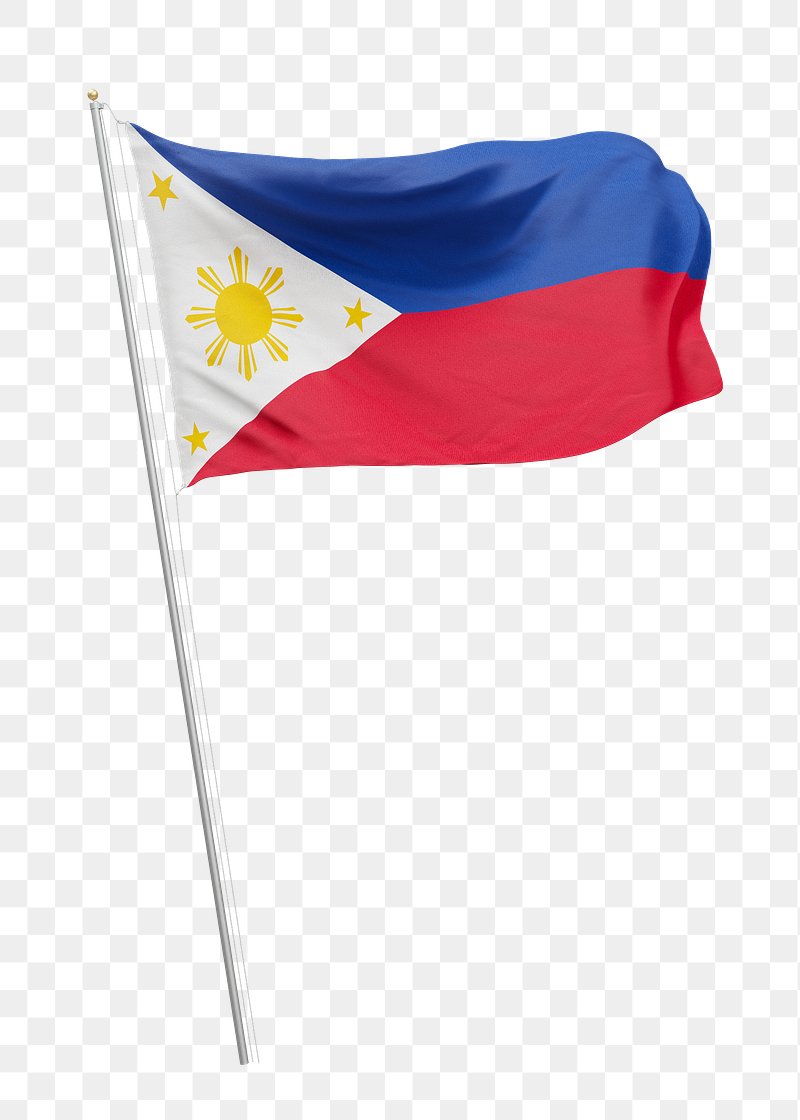
Philippines
ASEAN Membership and Contributions
Founding Membership
The Philippines stands as one of five original ASEAN members, having signed the Bangkok Declaration on August 8, 1967. This foundational membership positioned the Philippines at the center of regional integration efforts, with its strategic archipelagic geography providing critical maritime connectivity.
Demographic Profile
- Population: 109.58 million (2021)
- Median Age: 24.1 years
- Literacy Rate: 91.6%
- Official Languages: Filipino, English
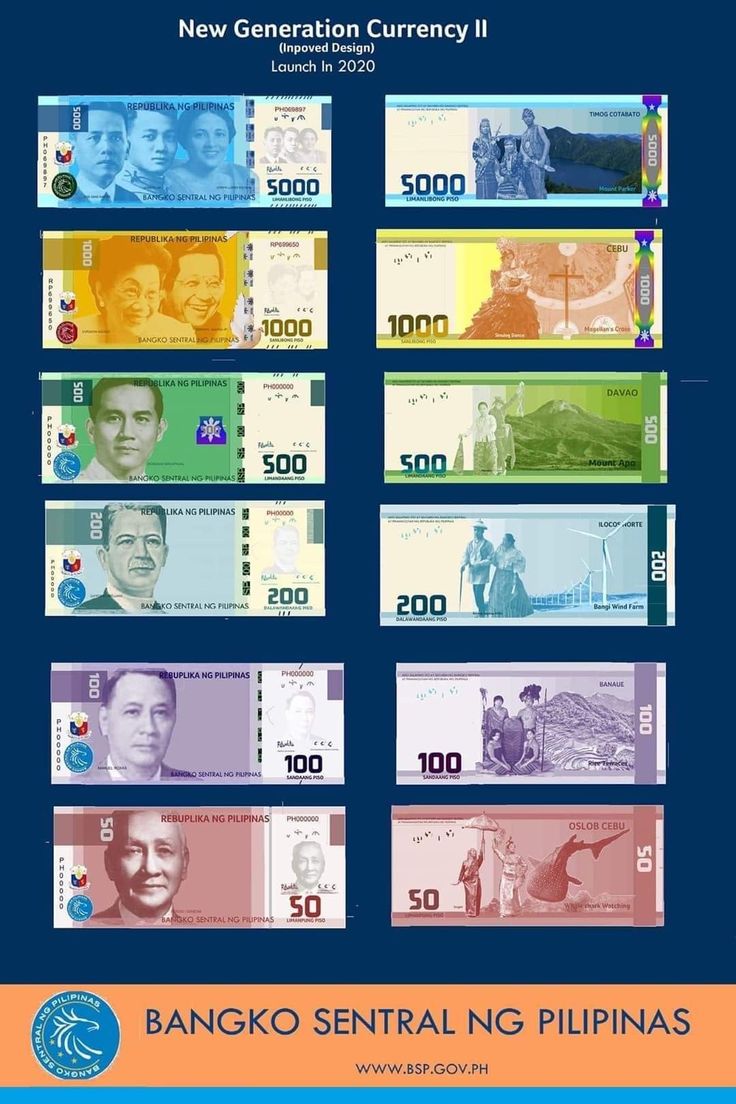
Famous Tourist Places
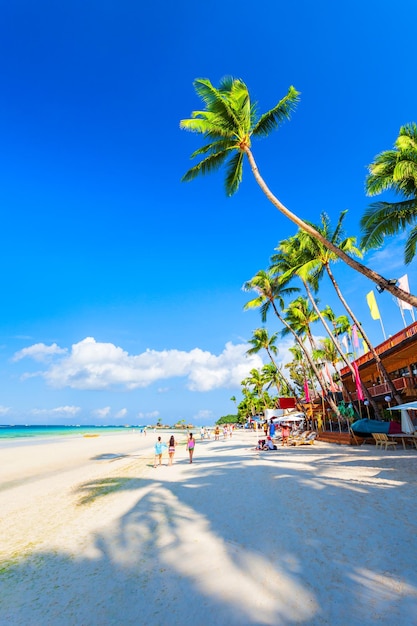
Boracay Island
Internationally recognized tourism destination with White Beach's powder-fine sand. Site of Philippines' sustainable tourism rehabilitation model.
Sustainable Tourism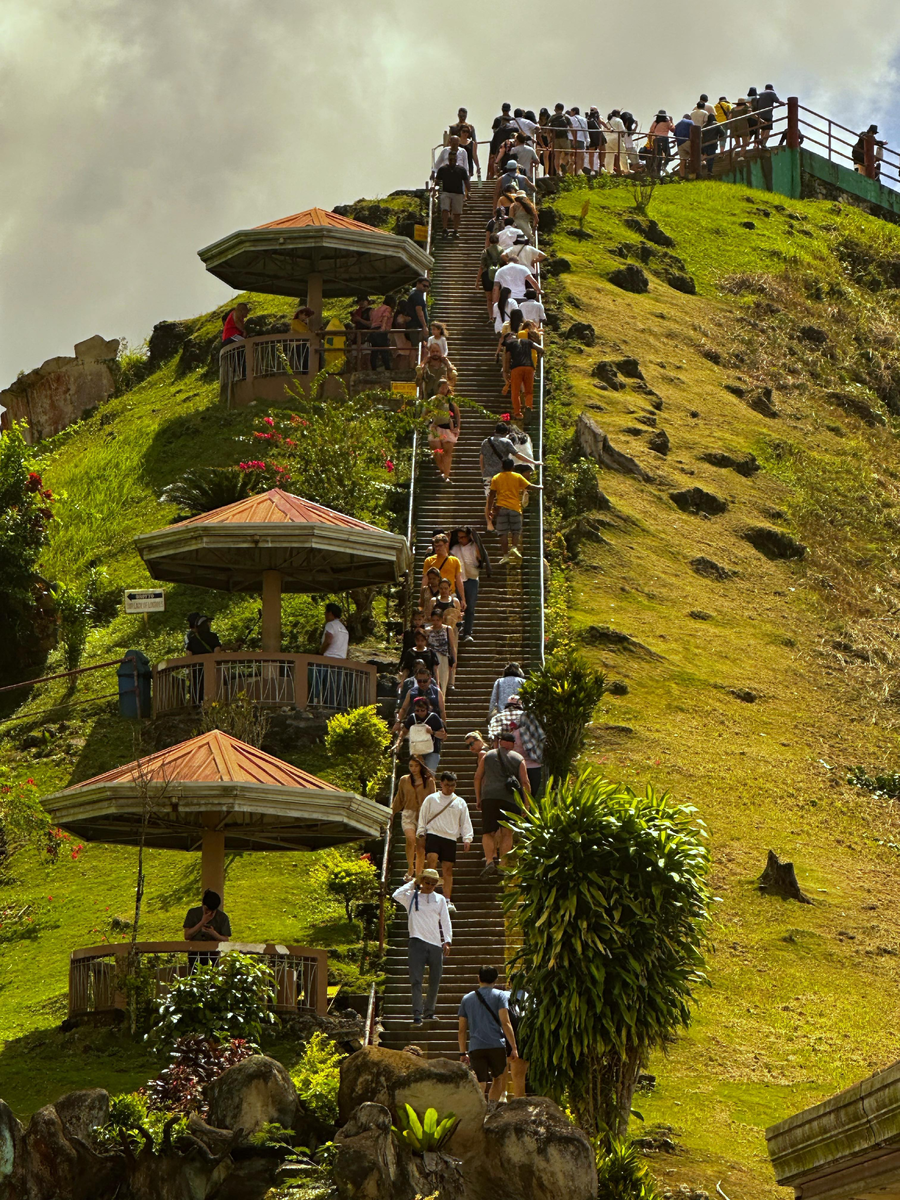
Chocolate Hills
1,268-1,776 conical mounds across 50 sq km, creating one of Southeast Asia's most distinctive geological formations.
Natural Wonder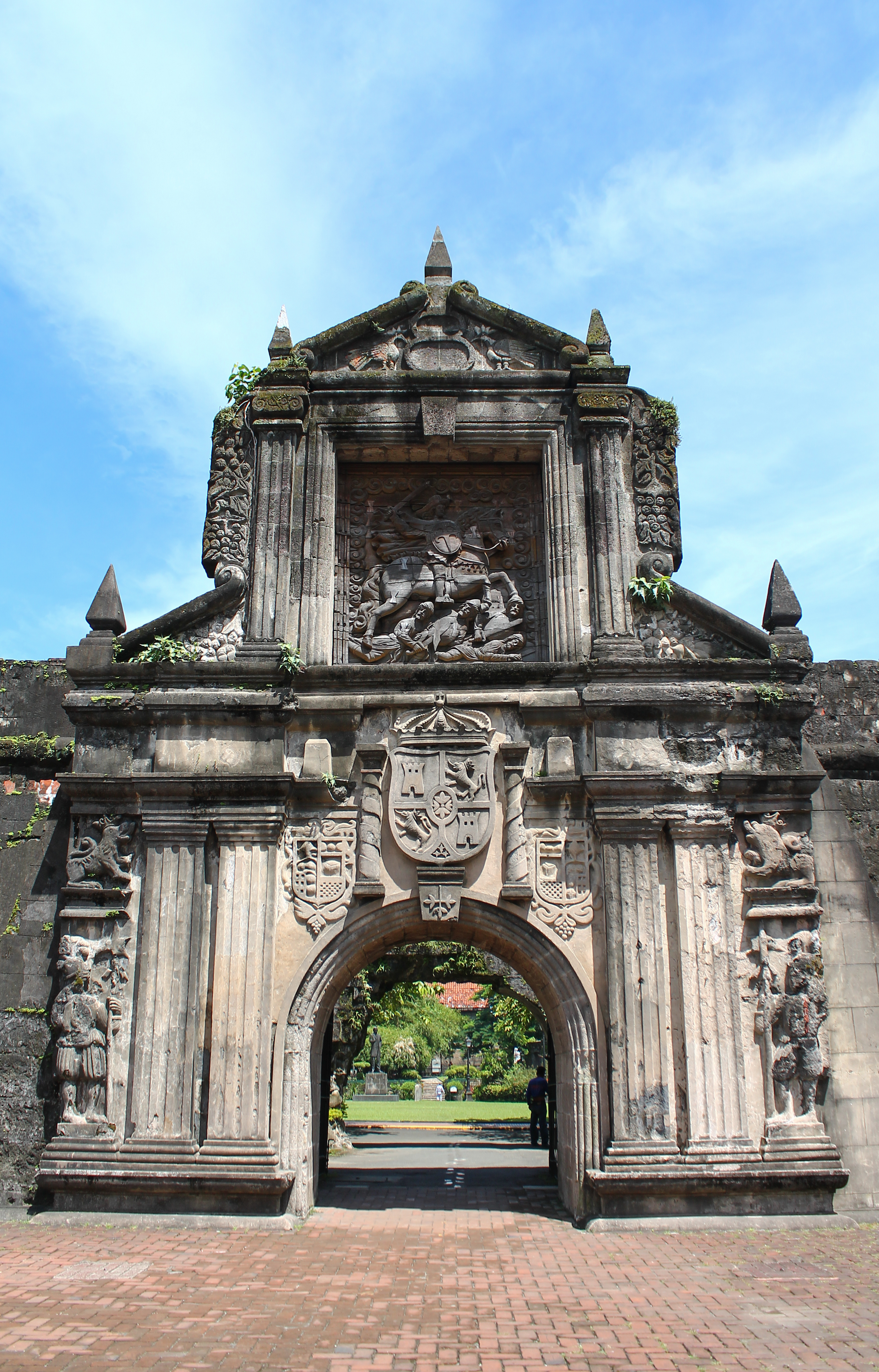
Intramuros, Manila
Most significant surviving Spanish colonial urbanism in Asia, featuring Fort Santiago and Manila Cathedral.
Heritage SiteCapital City: Manila
Administrative Structure
Manila functions as the capital and one of 16 cities comprising Metro Manila. The City of Manila proper encompasses six legislative districts with population density of approximately 42,000 persons per square kilometer in the urban core.
Key Landmarks
-
Malacañang Palace
Official presidential residence since 1750 -
Manila Cathedral
Seat of Roman Catholic Archdiocese -
Rizal Park
National memorial to José Rizal

Thailand
ASEAN Membership and Contributions
Founding Member & Regional Host
As founding member of ASEAN, Thailand hosted the signing of the Bangkok Declaration on August 8, 1967. The country served as administrative center by hosting the ASEAN Secretariat in Bangkok from 1967 to 1999.
Tourism Leadership
"Amazing Thailand" branding and destination management established regional benchmarks
Manufacturing Hub
"Detroit of Asia" automotive production and integrated supply chains
Agricultural Power
"Kitchen of the World" food security contributions
Famous Tourist Places
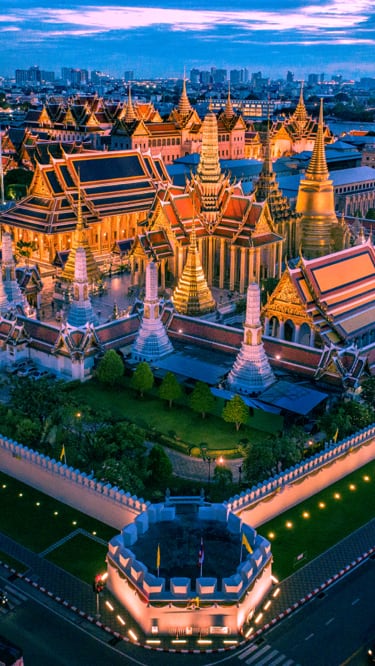
Grand Palace & Wat Phra Kaew
The most significant architectural ensemble in Thailand, encompassing 218,400 square meters of royal and religious structures. Wat Phra Kaew houses the Emerald Buddha, the palladium of the Thai kingdom, with ceremonial costume changes performed by the King.
Established 1782
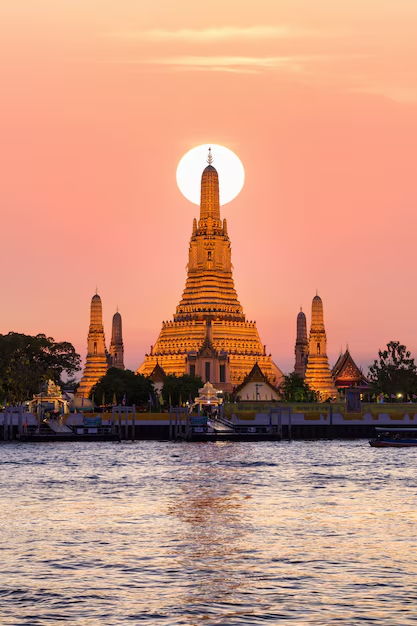
Wat Arun (Temple of Dawn)
79-meter central prang on the Chao Phraya River bank, covered in Chinese porcelain and seashell mosaic. The temple's name derives from the Hindu god Aruna, personification of dawn, with spectacular morning illumination effects.
Steep stair ascent to viewing platforms
Capital City: Bangkok
Urban Characteristics
Officially Krung Thep Maha Nakhon with ceremonial full name extending to 168 letters in Thai script. The Bangkok Metropolitan Region encompasses approximately 15 million residents and generates substantially disproportionate national economic output.
Historic Development
- Rattanakosin Island royal district
- 19th-century radial canal networks
- 20th-century commercial corridors
- Contemporary mass transit expansion
Key Attractions
- Wat Pho - Traditional Thai massage birthplace
- Chatuchak Weekend Market
- Chao Phraya River waterfront development
- Contemporary high-rise districts
Singapore
ASEAN Membership and Contributions
City-State Exemplar
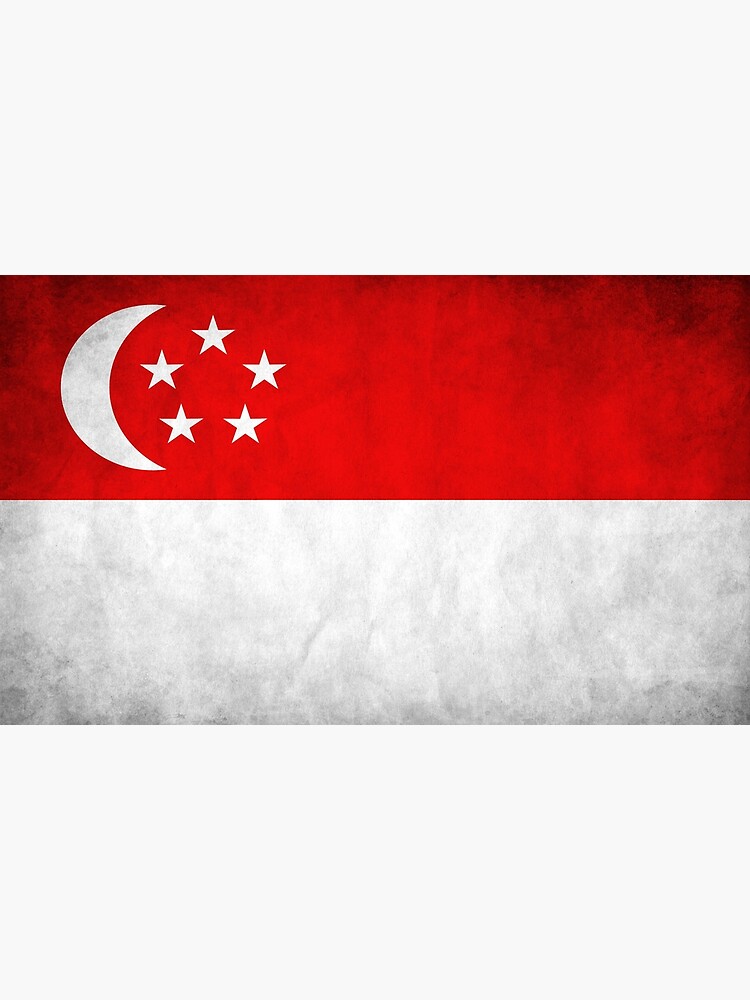
Singapore's position as founding member despite exceptionally small scale reflects strategic significance. With GDP per capita exceeding $65,000, Singapore represents the highest in ASEAN by substantial margin.
Smart Nation Initiative
Digital government, economy, and society dimensions providing implementation experience for ASEAN digital transformation.
Tourism 2040 Strategy
Tripling tourism receipts by 2040 with focus on quality tourism and sustainable growth.
Famous Tourist Places
Marina Bay Sands & Gardens by the Bay
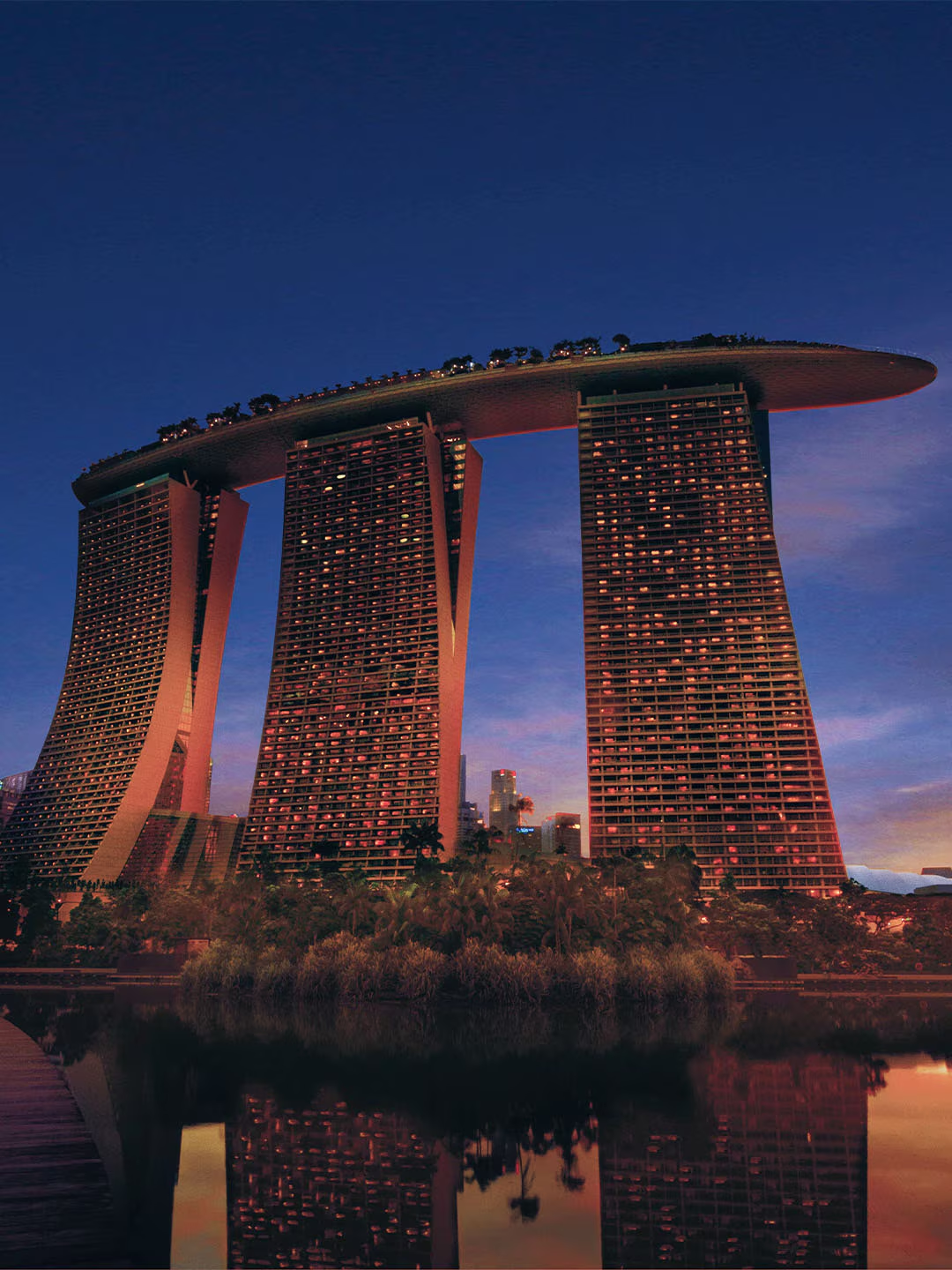
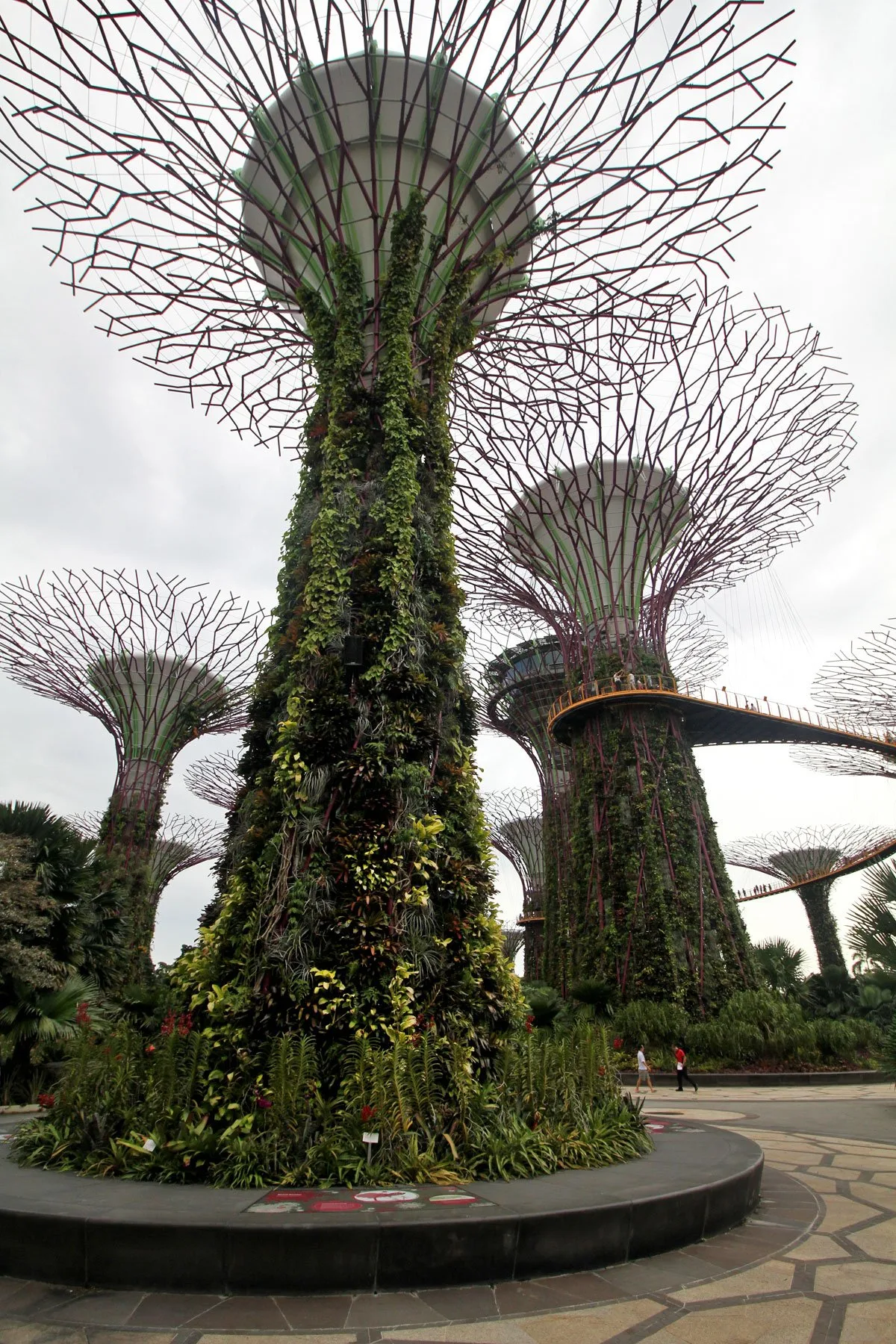
Transformative integrated resort with three 55-story towers and SkyPark cantilevered structure. Gardens by the Bay features Supertree Grove and cooled conservatories representing "City in a Garden" vision.
Sentosa Island
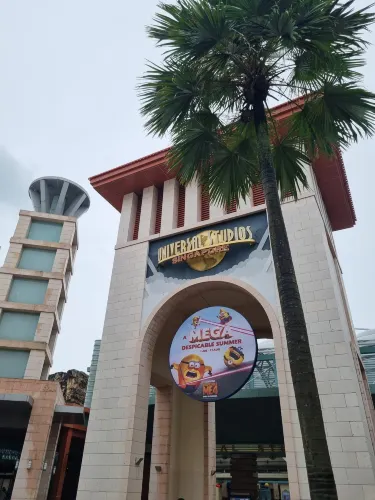
Primary beach resort and entertainment destination featuring Universal Studios Singapore, S.E.A. Aquarium, and Adventure Cove Waterpark. New Singapore Oceanarium opening July 2026 with triple capacity.
Capital City: Singapore (City-State)
Merlion Park
National symbol with iconic waterfront location
Raffles Hotel
Colonial heritage hospitality icon since 1887
National Gallery
World's largest Southeast Asian art collection
Esplanade Theatre
Performing arts center with distinctive "durian" design
Indonesia
ASEAN Membership and Contributions
Demographic Leadership
As most populous ASEAN member with ~270 million citizens representing over 40% of total ASEAN population, Indonesia's demographic weight has shaped organizational development since 1967.
ASEAN Secretariat Host
Hosting ASEAN Secretariat in Jakarta since 1999 concentrates institutional presence and reflects organizational leadership.
Trade Facilitation
National Single Window connects 17 major ports handling 98%+ of trade value
Famous Tourist Places
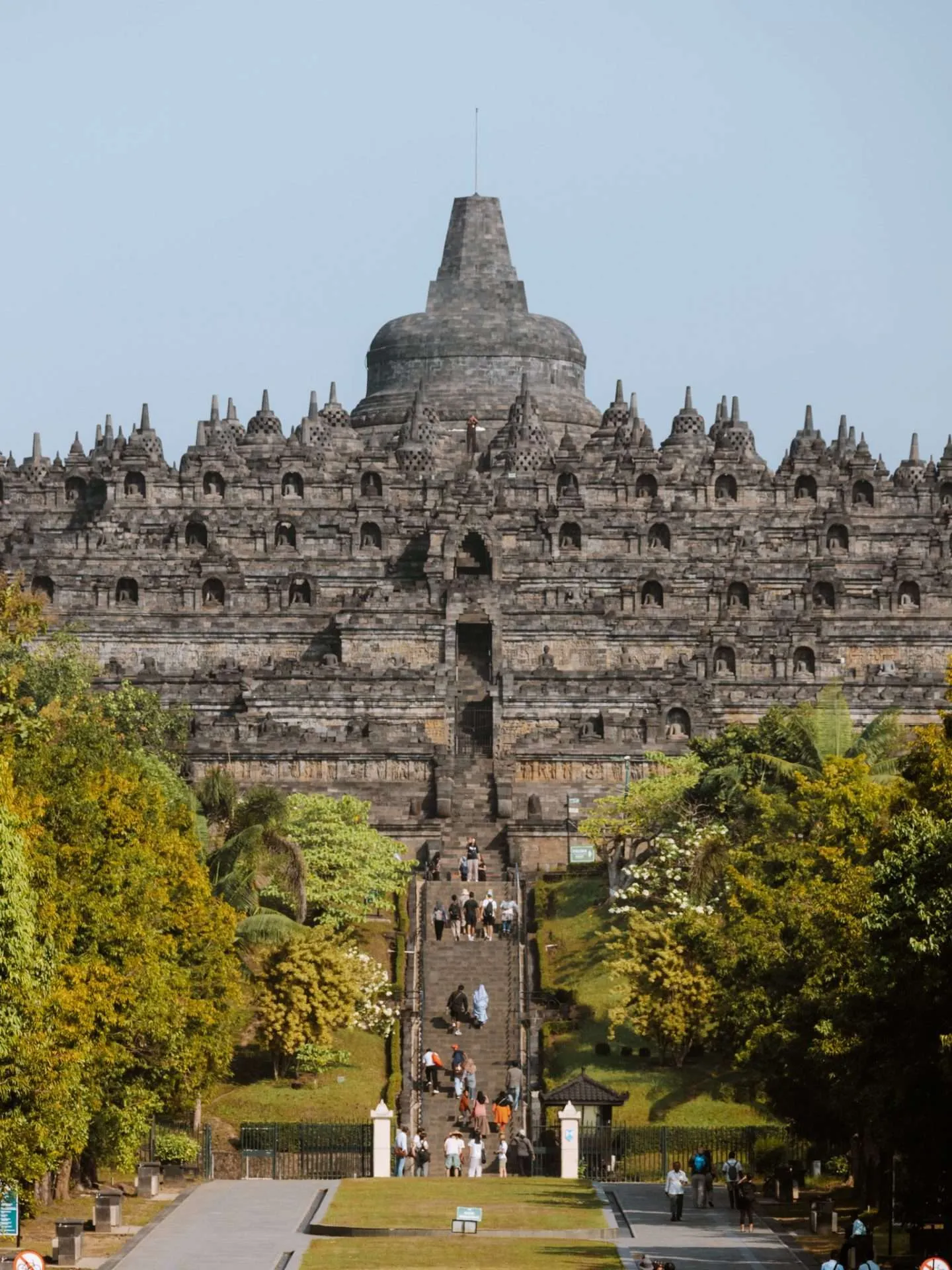
Borobudur Temple
UNESCO World Heritage Site constituting world's largest Buddhist temple. Constructed in 8th-9th centuries, the monument features 2,672 relief panels and 72 perforated stupas on upper terraces, creating comprehensive mandala structure.
Sailendra dynasty period
World Heritage designation 1991
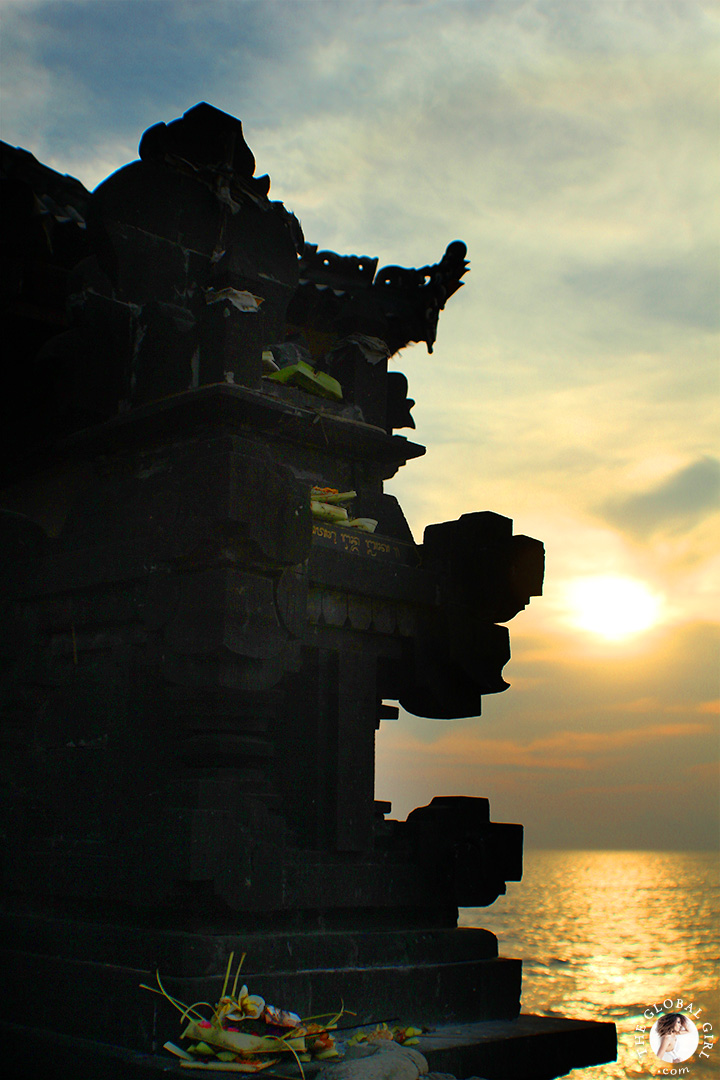
Pura Tanah Lot, Bali
Bali's most photographed temple, perched dramatically on rocky outcrop off southwestern coast. Name translates to "Land in the Sea," with unique offshore location creating spectacular sunset visual effects and tidal accessibility.
Mandatory Bali itinerary stop
16th century establishment
Capital City: Jakarta
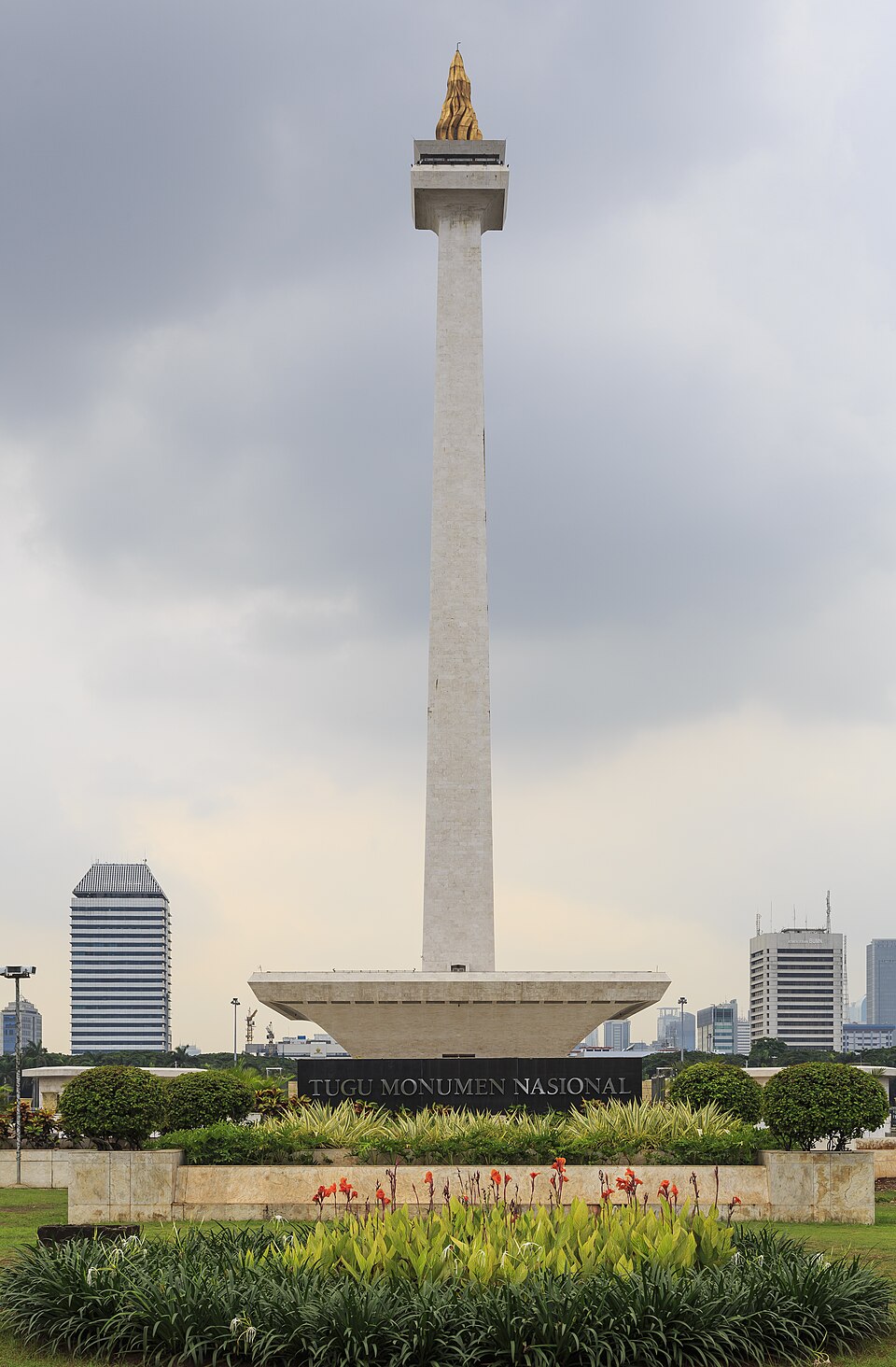
Monumen Nasional (Monas)
132-meter obelisk symbolizing Indonesian independence with gold-leaf coated bronze flame. Central landmark in Merdeka Square.
Underground museum
Istiqlal Mosque
Southeast Asia's largest mosque accommodating 200,000 worshippers with 45-meter dome and 96.5-meter minarets.
Religious coexistence symbolism
Jakarta Old Town (Kota Tua)
Most concentrated ensemble of Dutch colonial architecture with Museum Fatahillah housing 23,500 artifacts from pre-colonial to independence periods.
Adaptive reuse for tourism
Cambodia
ASEAN Membership and Contributions
1999 Accession
Cambodia's accession to ASEAN in 1999 represented final expansion to complete "ASEAN-10" configuration. This followed 1991 Paris Peace Agreements and 1993 UN-supervised elections, marking post-conflict regional integration.
Economic Sectors
- • Agriculture - Rice exports and fisheries
- • Garment manufacturing - 700,000+ jobs
- • Tourism - 6.6 million arrivals (2019)
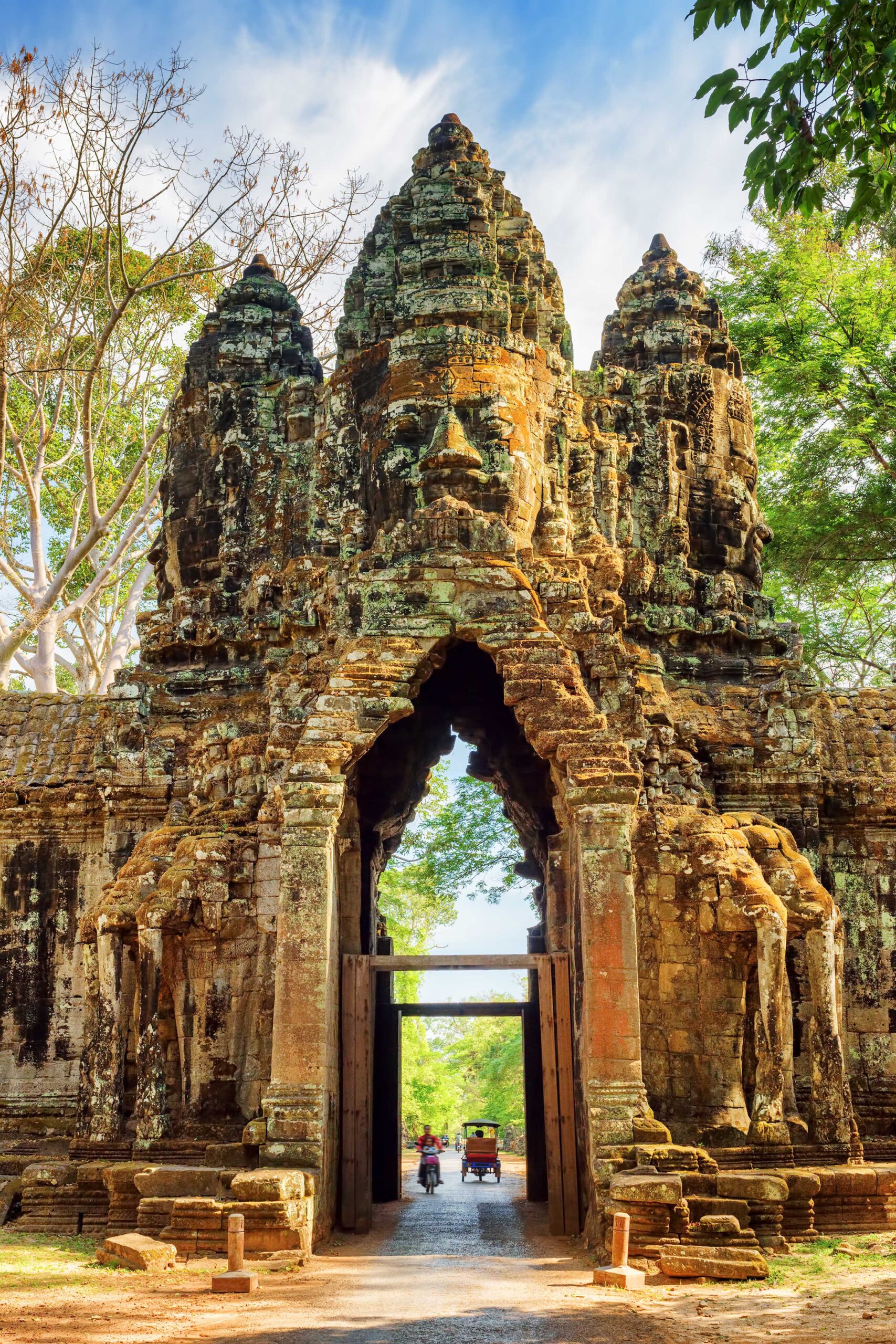
Heritage Leadership
Angkor World Heritage Site management has influenced regional approaches to large-scale archaeological site conservation, supported by UNESCO and international partnerships.
Famous Tourist Places
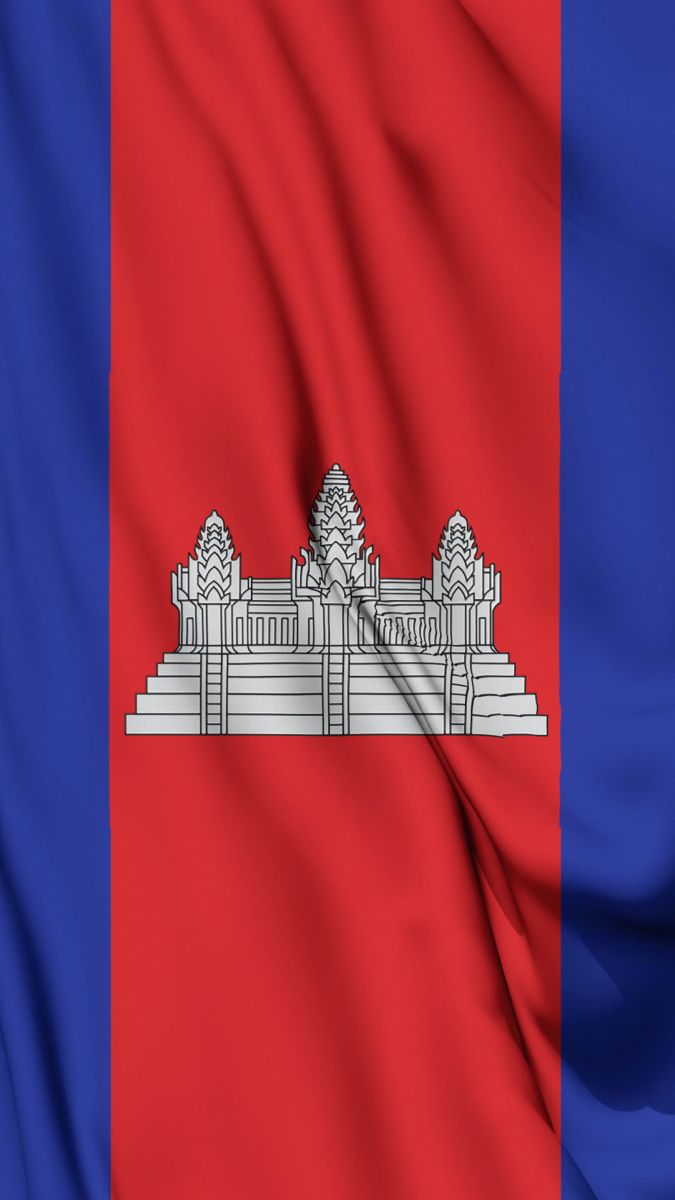
Angkor Wat - World's Largest Religious Monument
Constructed in early 12th century under King Suryavarman II, the complex encompasses 1.5 km × 1.3 km moat with central temple rising 65 meters. Features 1,200 square meters of bas-relief sculptures depicting Hindu epics and celestial dancers.
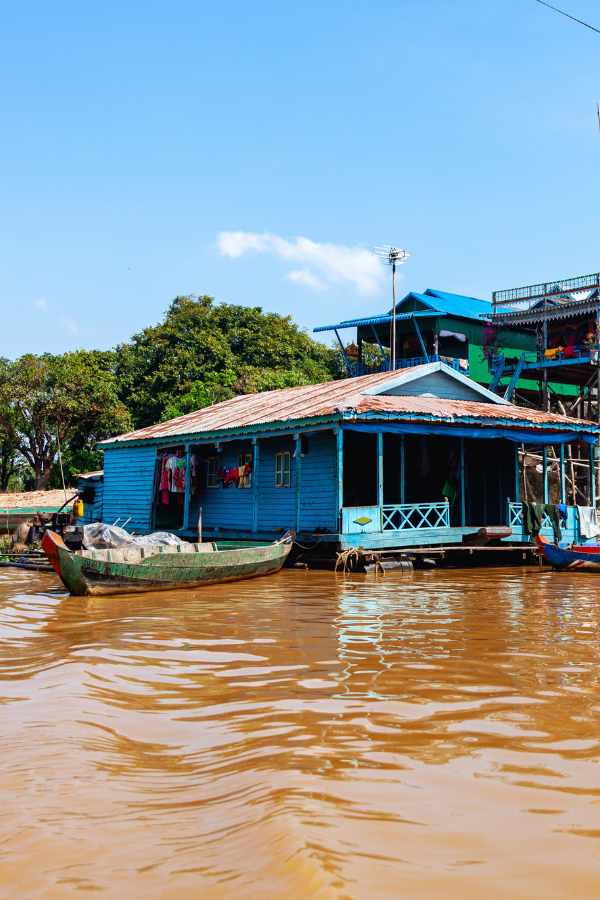
Tonle Sap Lake
Southeast Asia's largest freshwater lake, expanding from 2,500 km² to 16,000 km² during monsoon season. Supports 1.2 million people in floating and stilted communities.
Ecotourism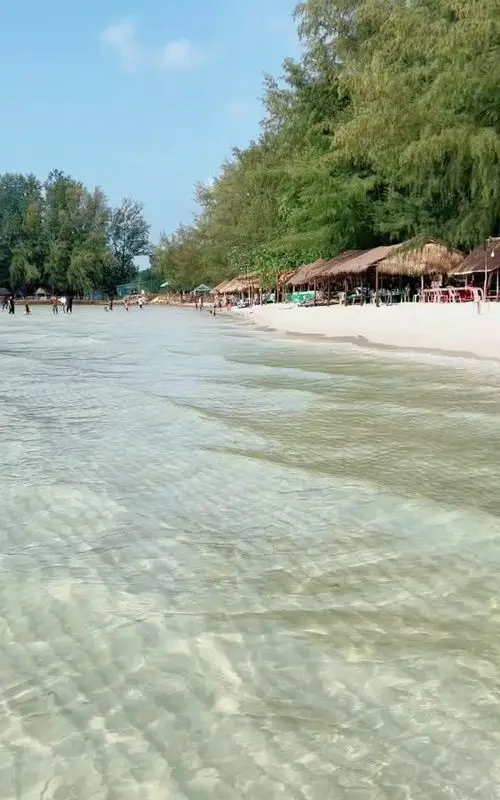
Sihanoukville Beaches
Cambodia's premier coastal destination undergoing transformation from laid-back beach town to casino-dominated special economic zone with Chinese investment.
Coastal DevelopmentCapital City: Phnom Penh
Royal Palace & Silver Pagoda
Official royal residence since 1866 with Khmer architectural traditions. Silver Pagoda houses national treasures including gold Buddha statues adorned with 2,086 diamonds.
Tuol Sleng Genocide Museum
Former high school converted to Security Prison 21 by Khmer Rouge, now serving as Cambodia's most significant site of historical memory and international symbol of atrocities.
Wat Phnom
Foundational temple and city landmark rising 27 meters above Phnom Penh's flat terrain. According to legend, established in 1373 by Lady Penh who discovered Buddha statues in floating tree trunk.

Brunei
ASEAN Membership and Contributions
1984 Founding Accession
Brunei Darussalam's status as sixth founding member in 1984 reflects strategic positioning of small, wealthy, Muslim-majority sultanate seeking regional security and economic diversification.
Economic Profile
- • Oil & gas: 90% of exports, 60% of GDP
- • Population: ~450,000 (ASEAN's smallest)
- • GDP per capita: Among ASEAN's highest

Distinctive Contributions
- • Islamic finance development model
- • Hydrocarbon sector expertise
- • Moderate Islamic governance
- • 2013 & 2021 ASEAN Chairmanships
Famous Tourist Places
Sultan Omar Ali Saifuddien Mosque
Brunei's most magnificent architectural achievement, completed in 1958. Features 52-meter golden dome (33 meters diameter) surfaced in Italian marble and gold mosaic, located on artificial lagoon with replica royal barge.
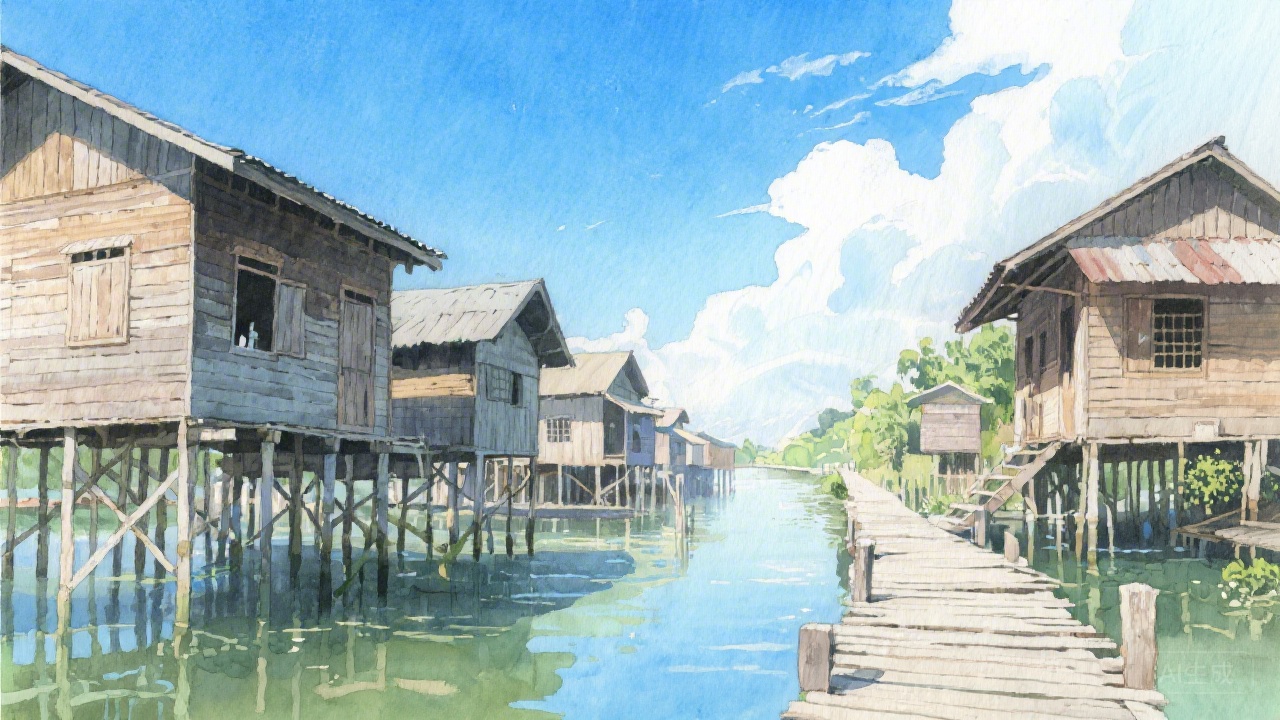
Kampong Ayer
World's largest settlement of stilted structures over water, with 13,000 residents living in 4,200 structures across Brunei River estuary. Features complete infrastructure including schools, mosques, and clinics on stilts.
Cultural Heritage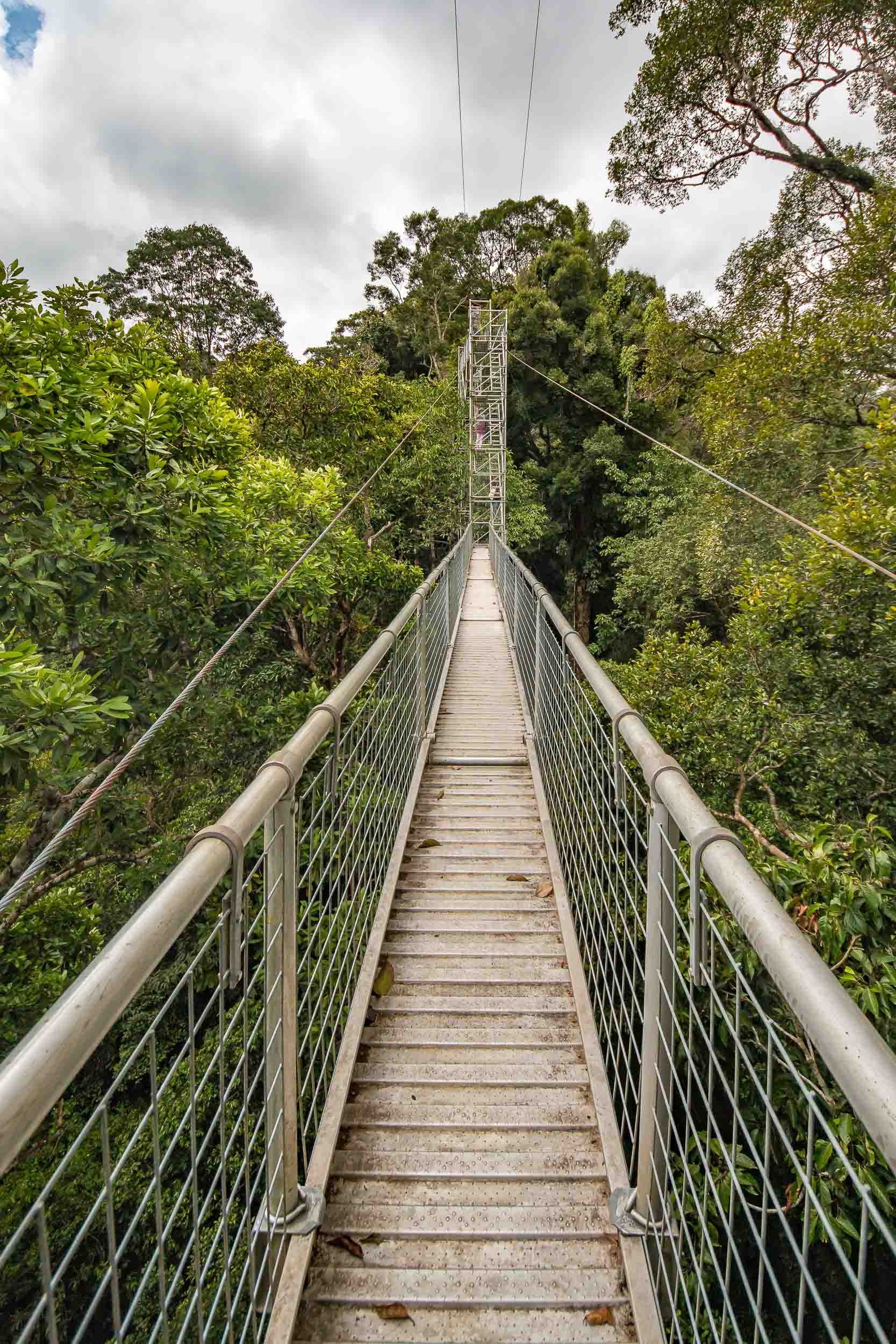
Ulu Temburong National Park
500 km² pristine lowland rainforest with 50-meter high canopy walkway extending 400 meters through forest canopy. Part of Heart of Borneo conservation initiative with controlled ecotourism model.
EcotourismCapital City: Bandar Seri Begawan
Jame' Asr Hassanil Bolkiah Mosque
Largest mosque in Brunei with capacity for 5,000 worshippers and 29 golden domes. Completed in 1994 to commemorate Sultan's 25th anniversary of reign.
International materials from multiple countries
Istana Nurul Iman
Guinness World Record as largest residential palace with 2,152,782 square feet, 1,788 rooms, and 257 bathrooms. Designed by Filipino architect Leandro Locsin.
5 swimming pools

Malaysia
ASEAN Membership and Contributions
Multi-Ethnic Society Model
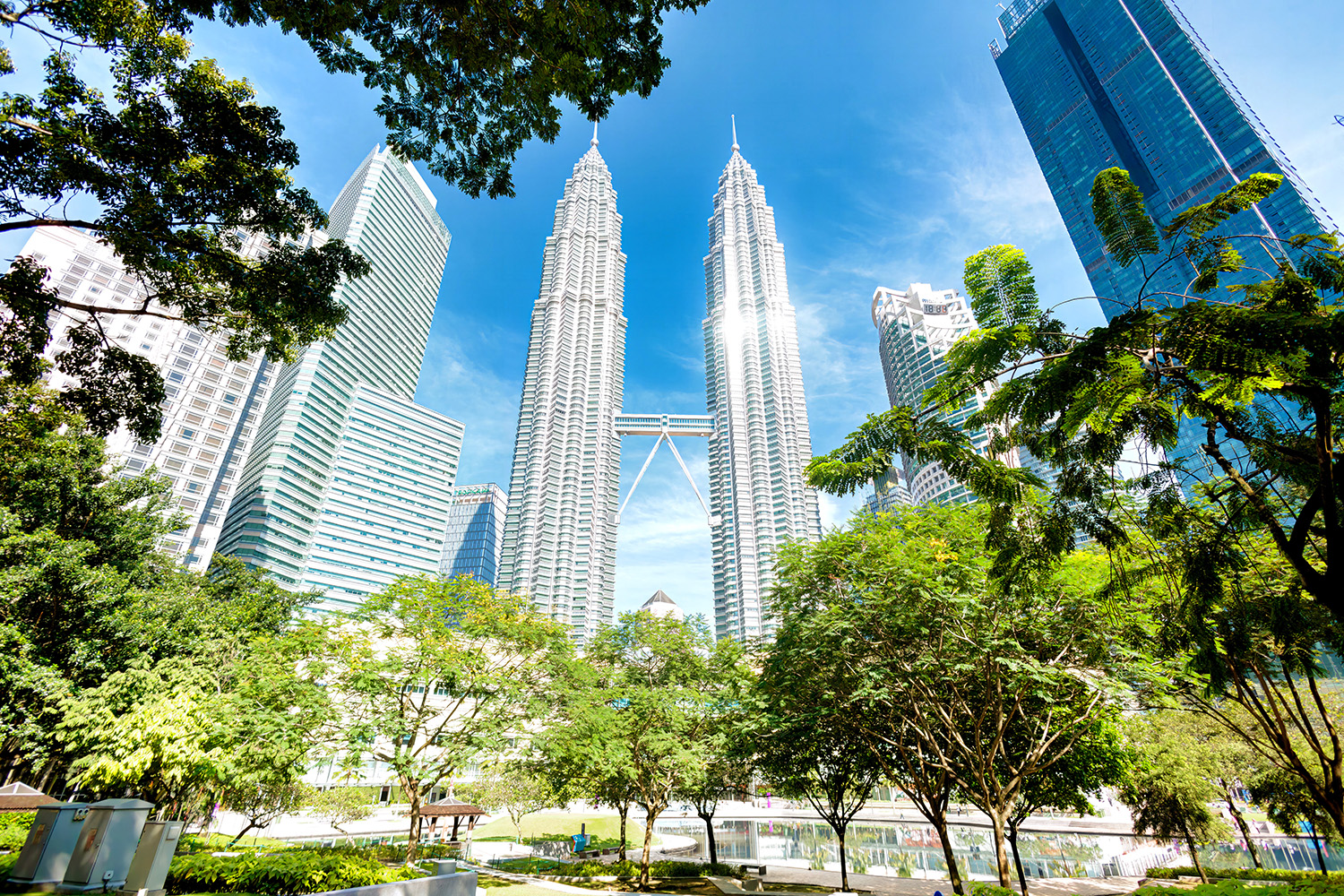
Malaysia's multi-ethnic society composition - approximately 70% Bumiputera, 23% Chinese, 7% Indian - has created distinctive governance challenges and opportunities informing ASEAN engagement with diversity management.
Economic Sectors
- • Palm oil: World's second-largest producer
- • Electronics: Semiconductor packaging hub
- • Islamic finance: Global sukuk market leadership
- • Petroleum: Regional energy supply
Regional Leadership
Multiple ASEAN chairmanships and secretary-general appointments, with Malaysian diplomats contributing to organizational development across decades.
Famous Tourist Places
Petronas Twin Towers, Kuala Lumpur
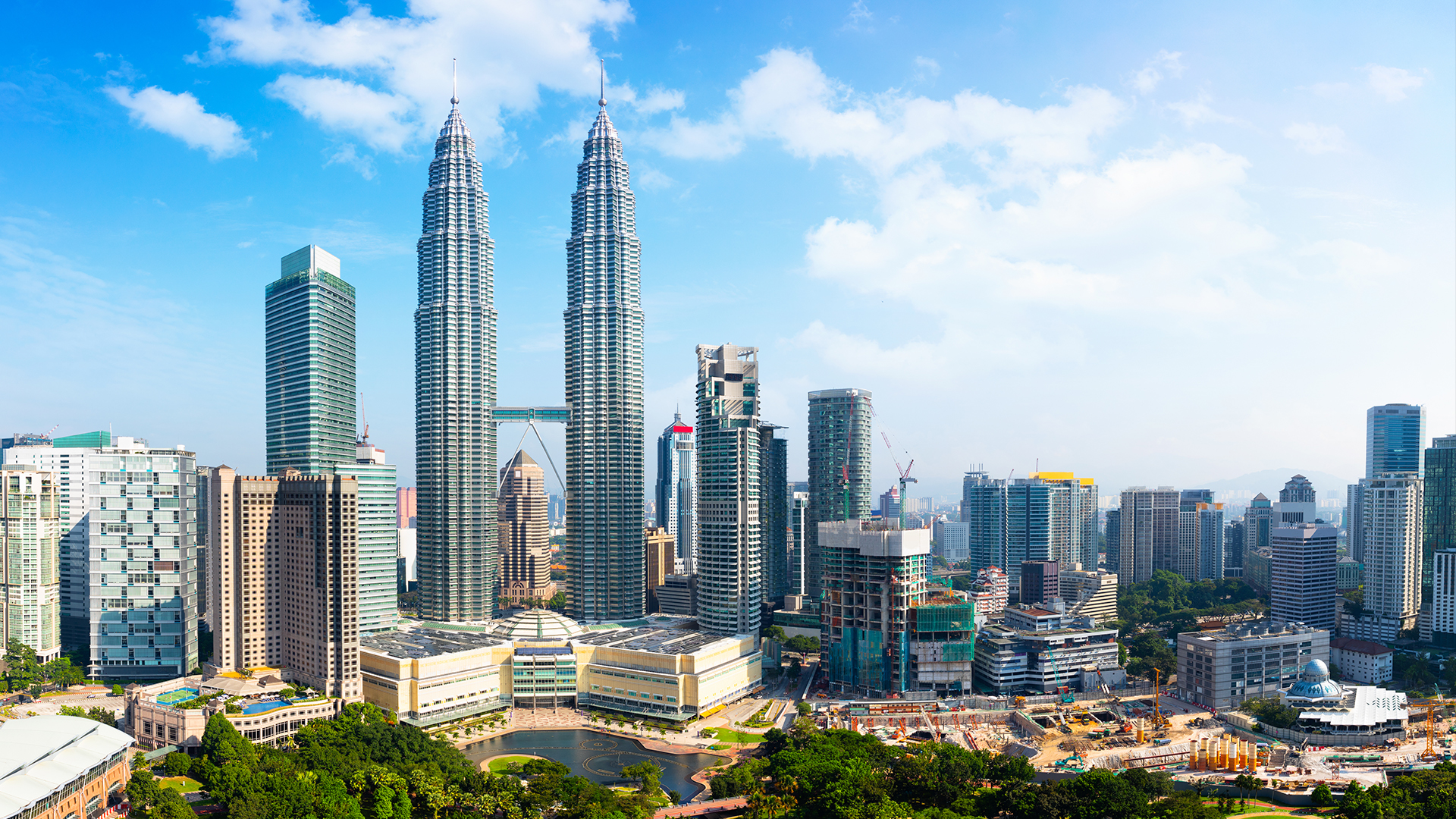
Designed by César Pelli and completed in 1998, held title of world's tallest buildings until 2004. 88 floors and 451.9-meter height with distinctive Islamic geometric facade patterns and connecting skybridge at 41st floor.
George Town, Penang
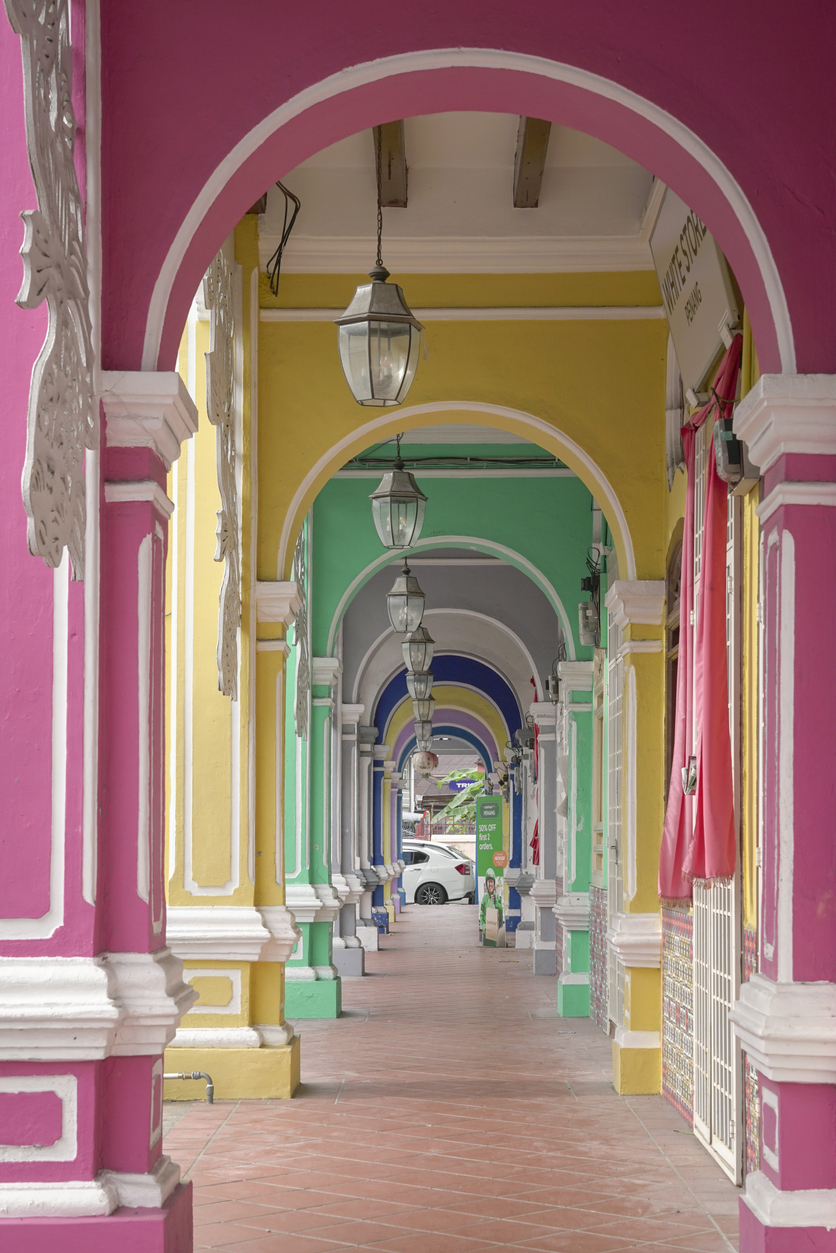
UNESCO World Heritage Site since 2008 for unique architectural and cultural townscape. Features colonial government buildings, Chinese shophouses, Indian temples, and Malay mosques.
UNESCO Heritage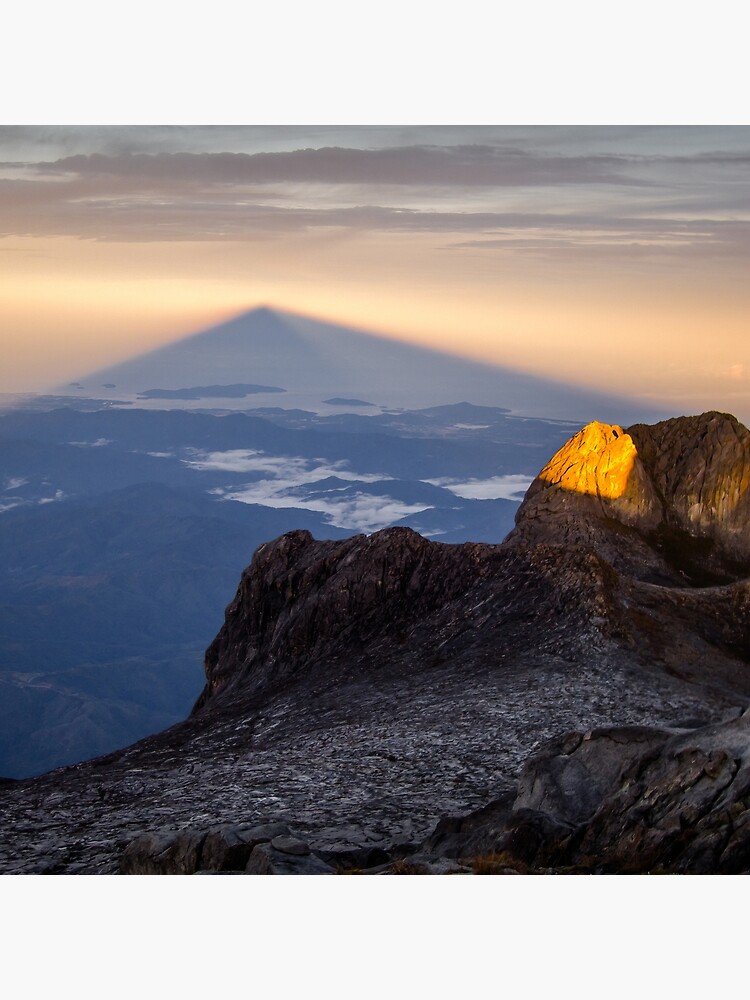
Mount Kinabalu, Sabah
Southeast Asia's highest mountain at 4,095 meters with extraordinary biodiversity. Kinabalu Park UNESCO World Heritage Site attracts 40,000 climbers annually.
Adventure TourismCapital City: Kuala Lumpur
Batu Caves
Hindu shrine in limestone formation 13km north of city center. 272-step staircase leads to main Temple Cave with 100-meter high vaulted ceiling.
Merdeka Square
Independence declaration site August 31, 1957. Surrounding colonial architecture includes Sultan Abdul Samad Building and Royal Selangor Club.
Central Market
1936 Art Deco building transformed into handicraft center. Platform for batik textiles, pewterware, and regional crafts from across Malaysia.
Myanmar
ASEAN Membership and Contributions
1997 Accession & Current Crisis
Myanmar's 1997 accession alongside Laos and Vietnam occurred amid international controversy regarding military junta's human rights record. The 2021 military coup has created existential crisis testing ASEAN cohesion.
Economic Potential vs. Reality
- • Natural gas exports to Thailand and China
- • Strategic location between India and China
- • ASEAN Highway Network and East-West Economic Corridor
- • Potential constrained by political instability
Theravada Buddhist Heritage
Significant cultural contribution through Buddhist institutions, monastic traditions, and pilgrimage sites that transcend political crisis and represent important regional religious dimensions.
Famous Tourist Places
Bagan Archaeological Zone
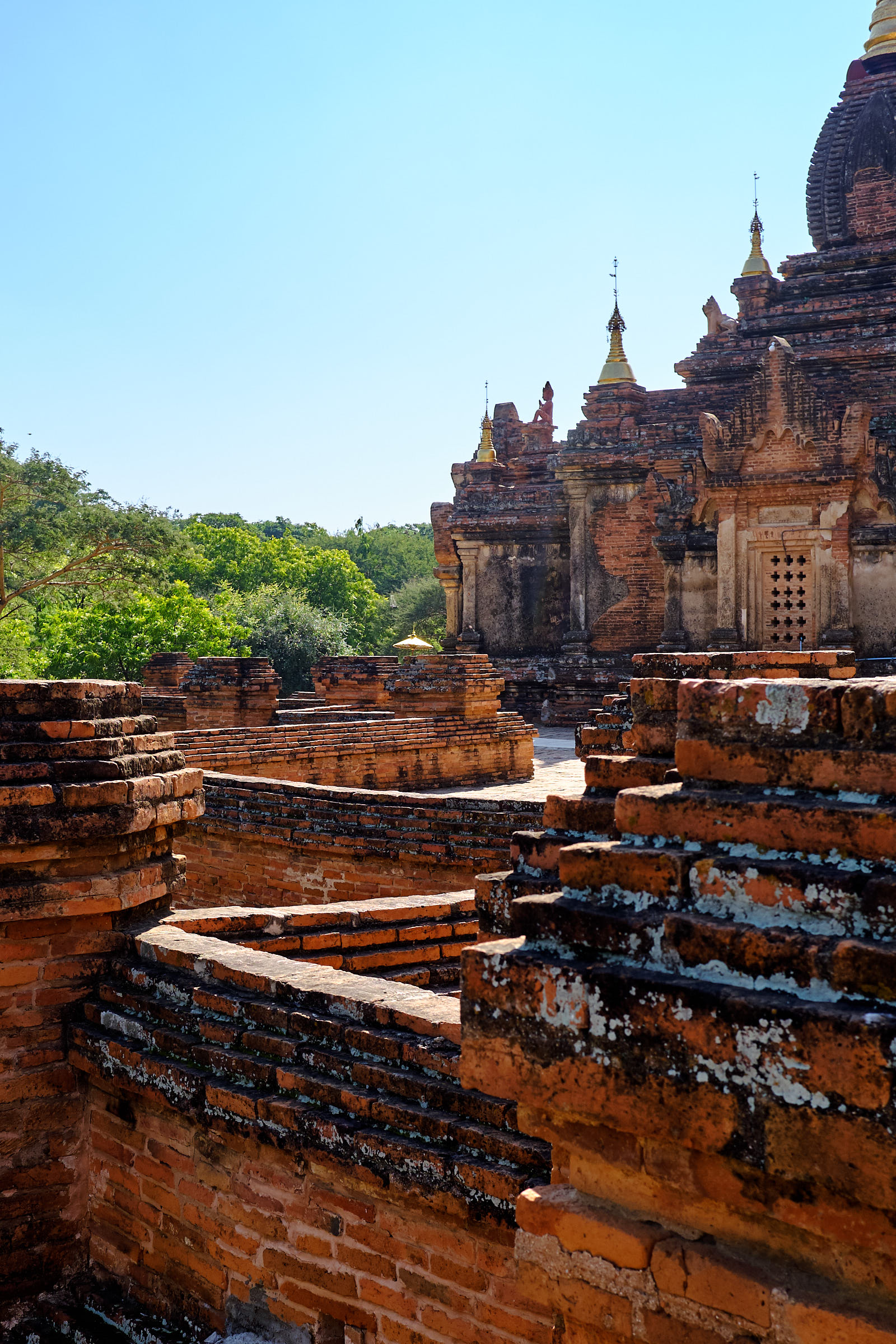
Ancient capital of Pagan Kingdom (9th-13th centuries) with approximately 2,200 surviving temples across 42 km². UNESCO World Heritage Site since 2019 after 2016 earthquake damage and conservation efforts.
World Heritage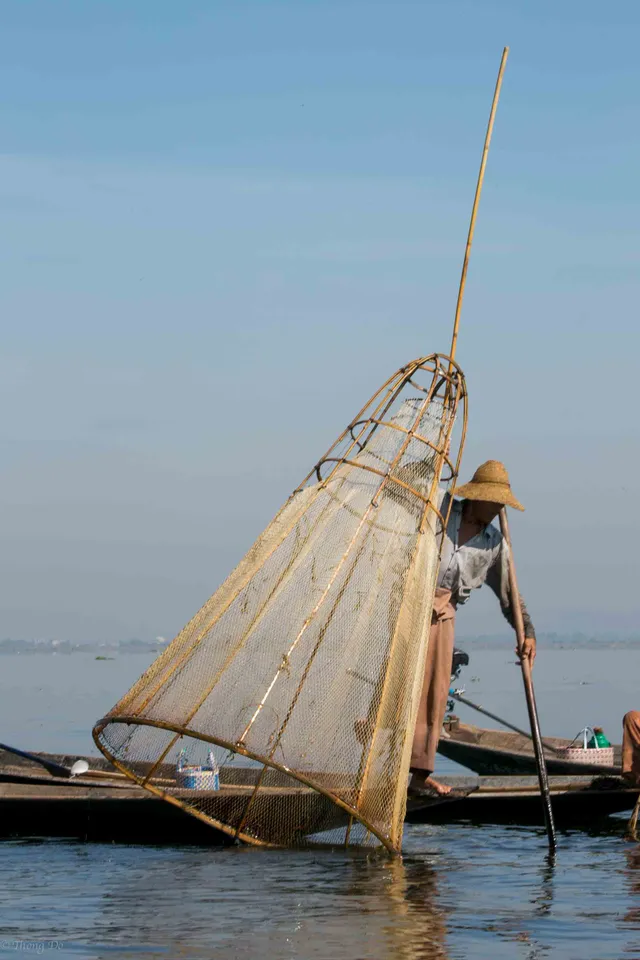
Inle Lake
Freshwater lake in Shan State supporting distinctive aquatic agriculture with floating gardens and traditional leg-rowing fishing techniques. Home to approximately 70,000 residents in stilted communities.
Cultural Landscape
Shwedagon Pagoda, Yangon
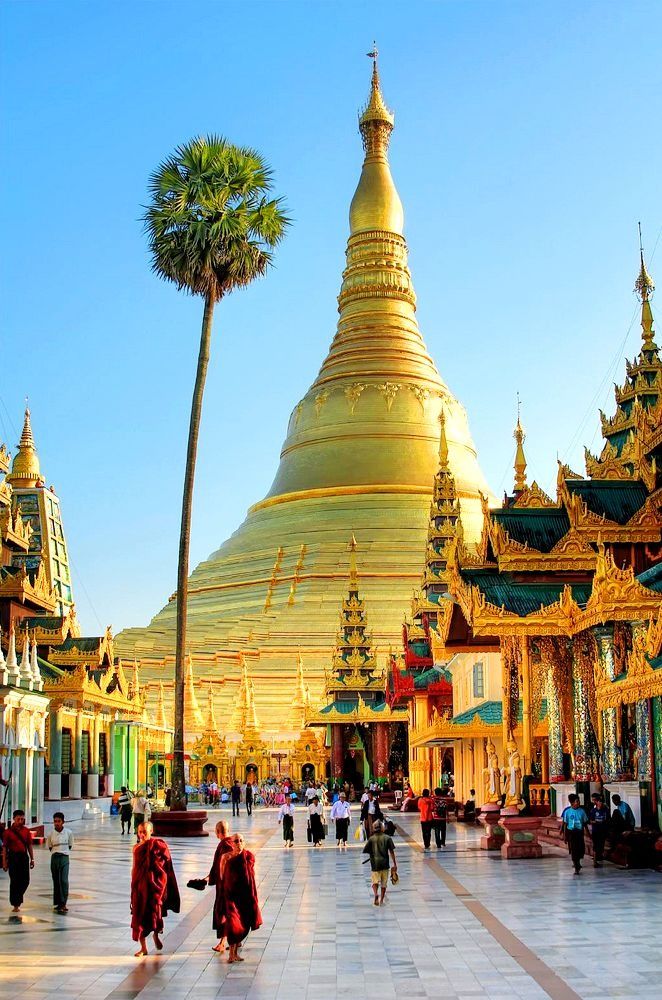
Myanmar's most sacred Buddhist site and definitive national symbol. 99-meter gilded stupa with extraordinary wealth including thousands of diamonds and precious gems. Platform area encompasses 46 hectares with numerous subsidiary shrines.
Capital Cities: Naypyidaw / Yangon
Naypyidaw (Administrative)
Purpose-built capital since 2006 featuring Uppatasanti Pagoda - replica of Shwedagon at 99-meter height, constructed 2006-2009 as centerpiece of new capital's ceremonial zone.
Planned city limitations
Yangon (Commercial)
Largest city and former capital until 2006. Features Shwedagon Pagoda, Sule Pagoda at city center intersection, and extensive colonial architecture district with 200+ significant buildings.
Commercial center functions
Vietnam
ASEAN Membership and Contributions
1995 Strategic Accession
Vietnam's 1995 accession following 1986 Doi Moi reforms represented strategic reorientation of revolutionary socialist state toward regional integration and economic reform.
Economic Transformation
- • GDP per capita: ~$300 (1995) → ~$4,000 (current)
- • Manufacturing share: ~15% → ~25%
- • FDI inflows: $15-20 billion annually
- • Samsung: 20% of exports at peak
2020 ASEAN Chairmanship
Successful virtual summit management under COVID-19 pandemic conditions, advancing RCEP signature as notable achievement.
Famous Tourist Places
Ha Long Bay
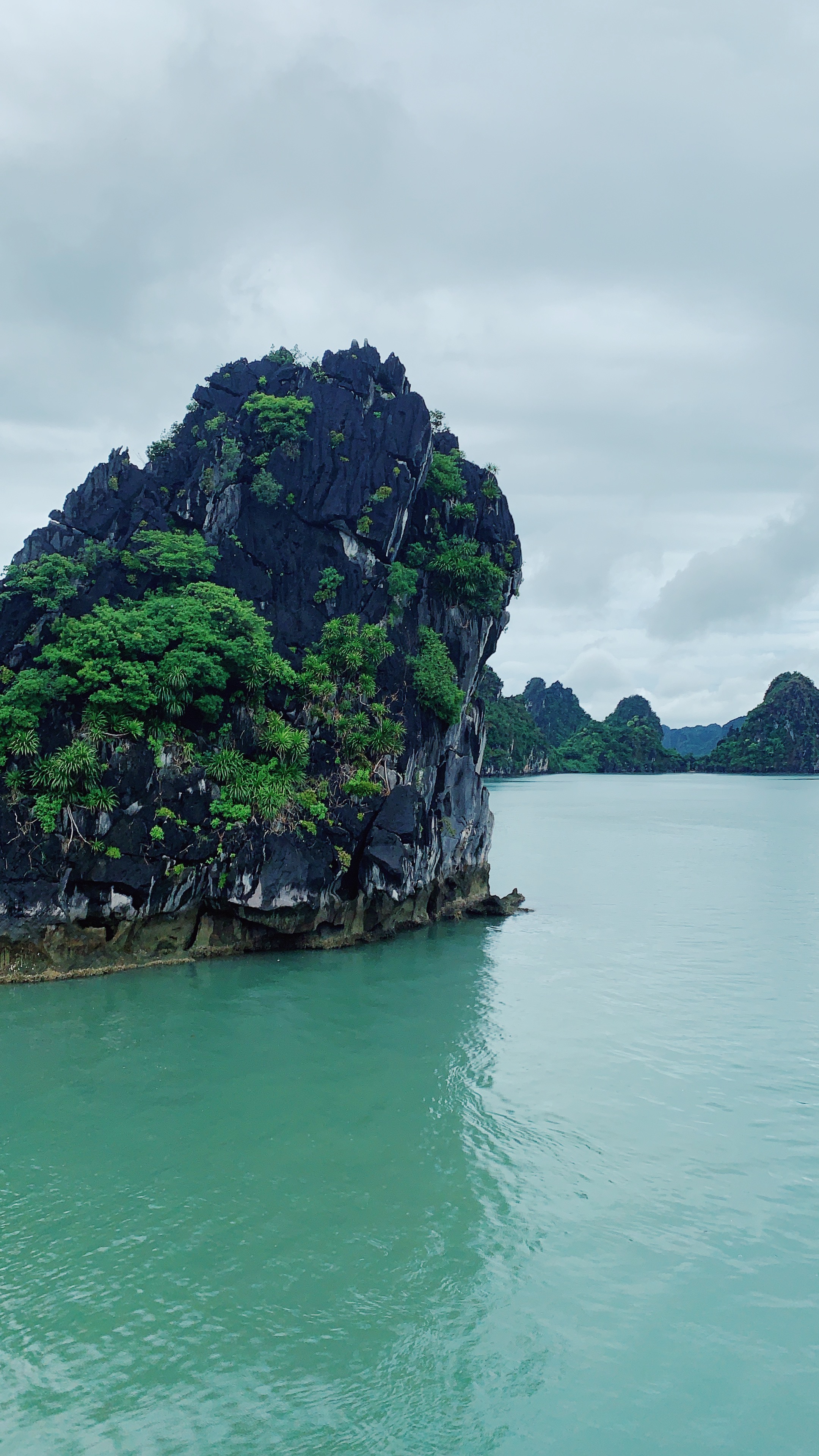
UNESCO World Heritage Site with 1,600+ limestone karst islands across 1,553 km². Approximately 10 million annual visitors with overnight cruise experiences.
Natural Wonder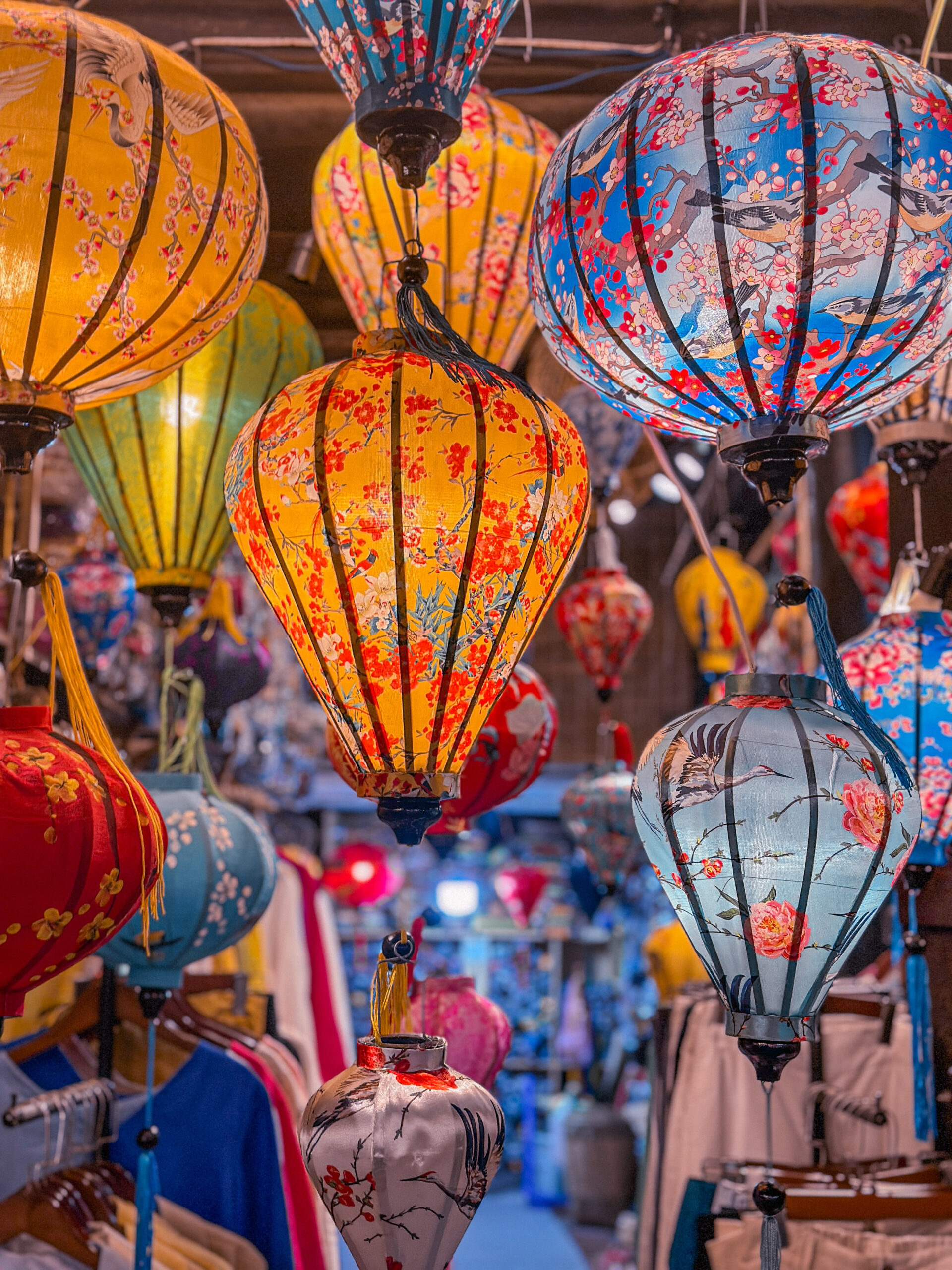
Hoi An Ancient Town
UNESCO World Heritage Site since 1999 for exceptionally preserved 15th-19th century international trading port with cultural fusion architecture.
World Heritage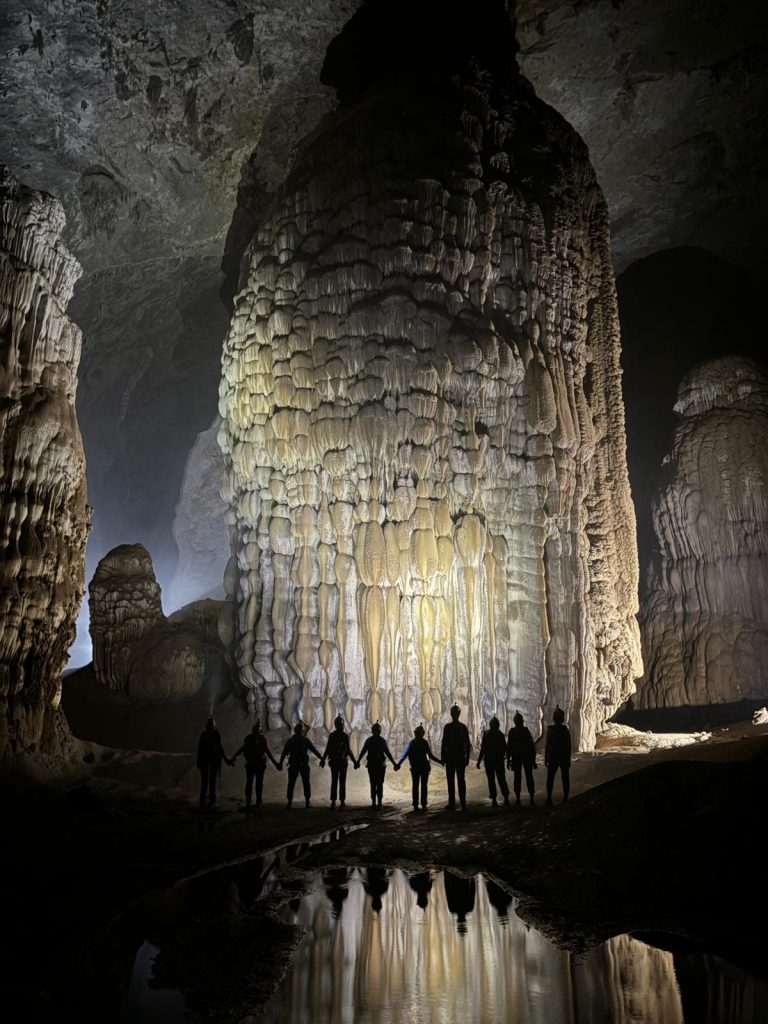
Phong Nha-Ke Bang
UNESCO World Heritage Site protecting world's largest cave systems including Son Doong, with chambers large enough to accommodate 40-story skyscraper.
Adventure TourismCapital City: Hanoi
Ho Chi Minh Mausoleum
Houses embalmed body of revolutionary leader Ho Chi Minh (1890-1969). 21.6-meter high granite structure dominating Ba Dinh Square where independence was declared in 1945.
Temple of Literature
Founded 1070 as Vietnam's first university, featuring five courtyards and 82 remaining steles recording doctoral examination success from 1484-1780. Site for academic ceremonies and graduation photography.
Hoan Kiem Lake & Ngoc Son Temple
Heart of Hanoi's historic district with Turtle Tower island and Jade Island temple connected by iconic red Huc Bridge. Legendary site of 15th-century emperor returning magic sword to divine turtle.
Laos
ASEAN Membership and Contributions
1997 Landlocked Accession
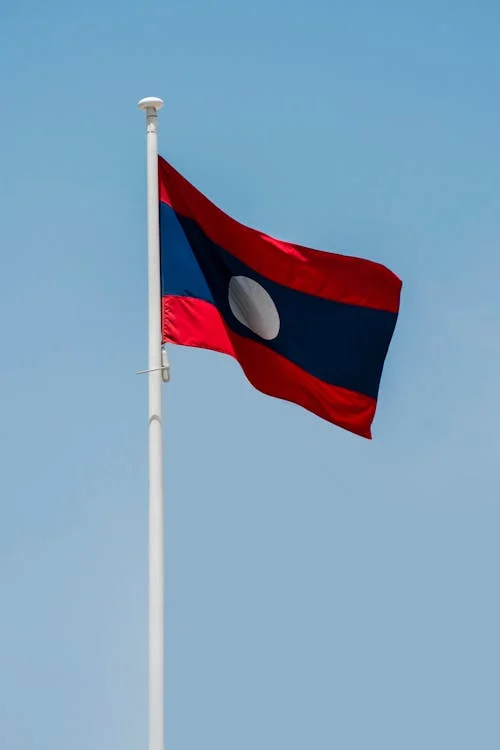
Laos' 1997 accession alongside Myanmar and Vietnam represented integration of only landlocked ASEAN member, creating both transit dependence and potential as China-ASEAN land bridge.
Economic Sectors
- • "Battery of Southeast Asia" hydropower aspiration
- • Natural resources (timber, minerals)
- • Agricultural production
- • Connectivity corridors
2016 Chairmanship
Demonstrated capacity for organizational leadership under theme "Turning Vision into Reality for a Dynamic ASEAN Community."
Famous Tourist Places
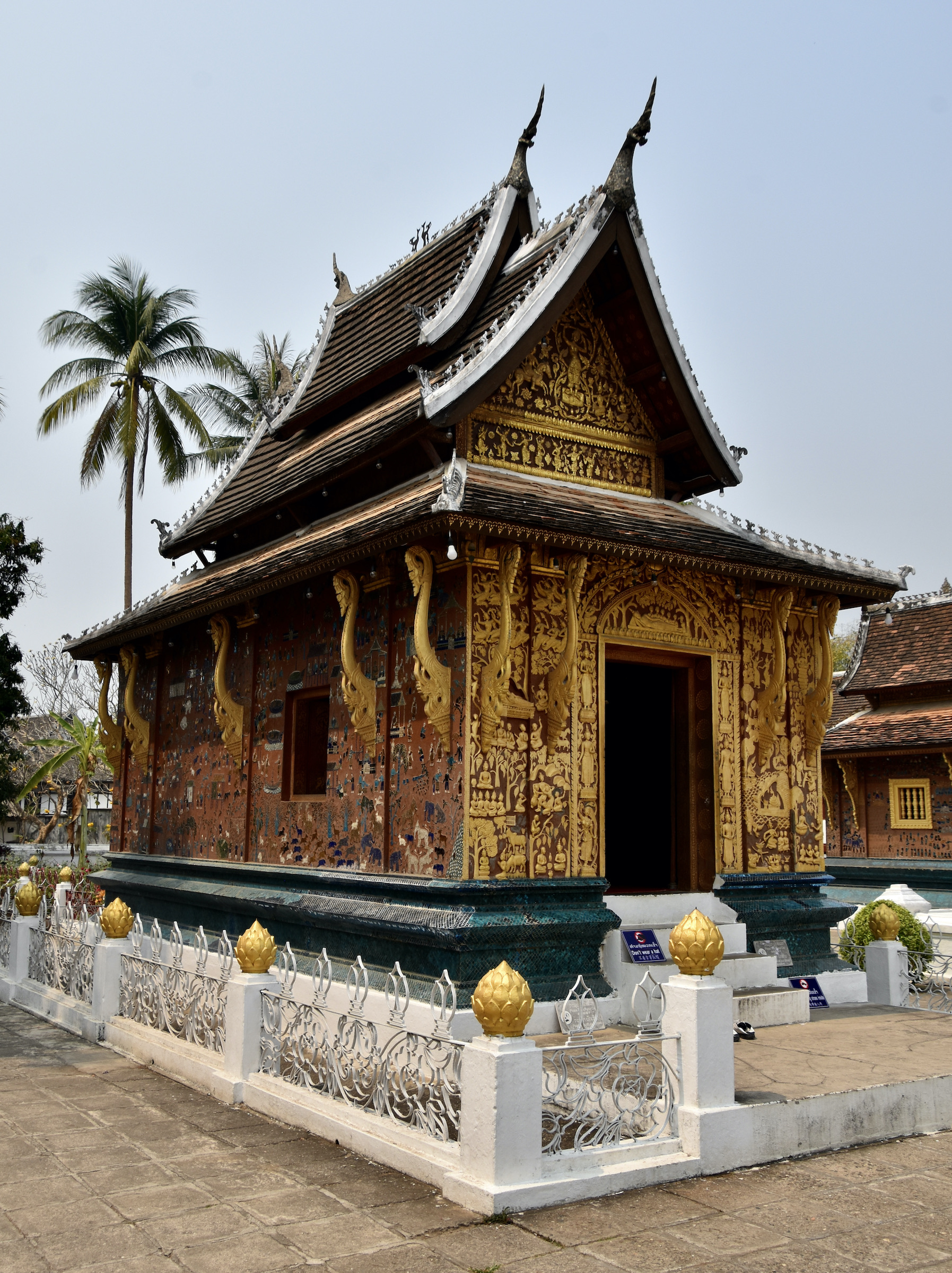
Luang Prabang
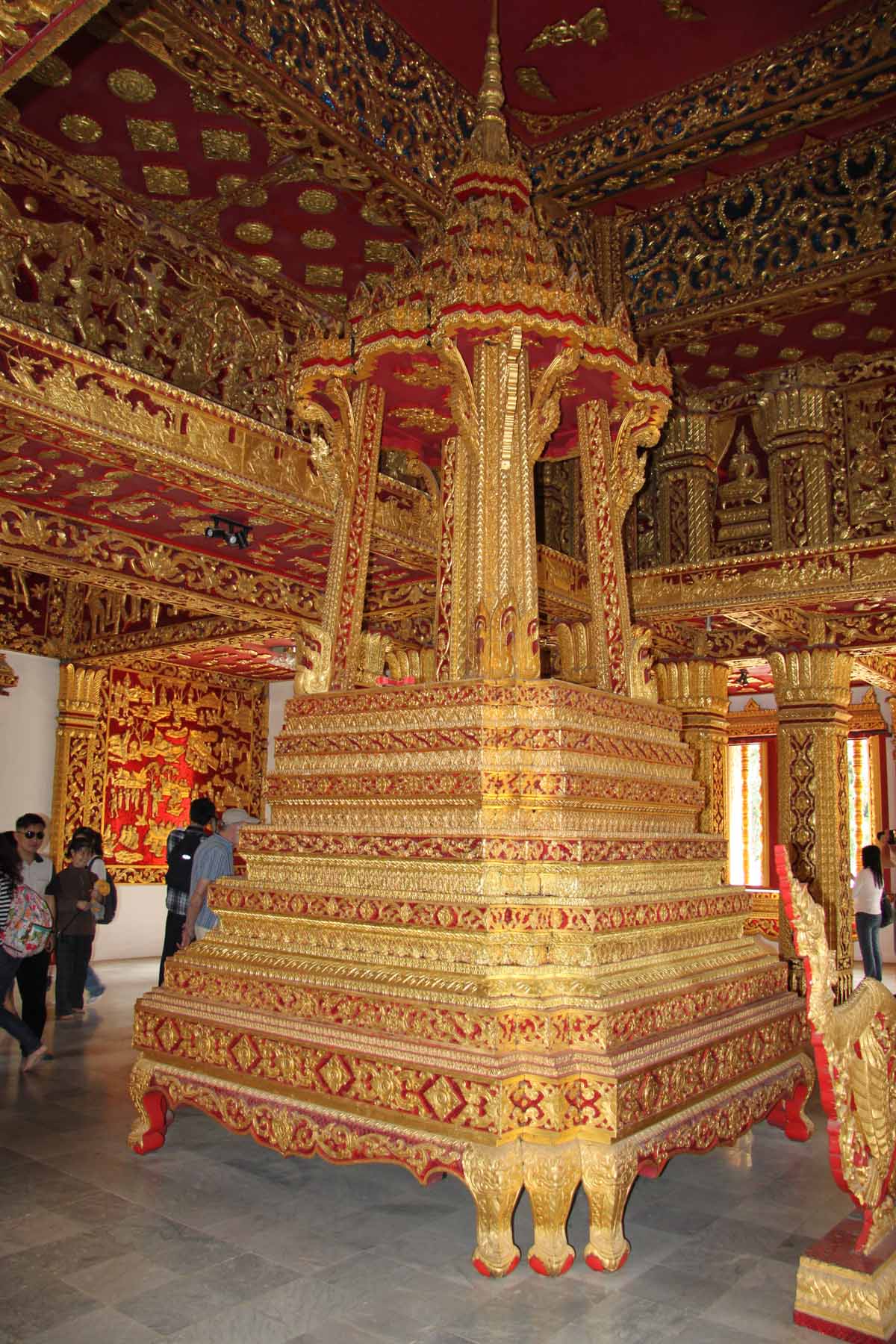
UNESCO World Heritage Site since 1995 for "fusion of traditional architecture and Lao urban structures with European colonial buildings." Features 33 temples, traditional wooden houses, and dramatic setting at Mekong-Nam Khan river confluence.
Morning alms-giving ceremony
Living urban community preservation
Vang Vieng
Small town surrounded by dramatic limestone karst formations, transformed from 2000s backpacker party destination to regulated adventure tourism center offering rock climbing, kayaking, caving, and hot air ballooning after 2011 government intervention.
Vientiane-Vang Vieng expressway access
Last frontier appeal

Capital City: Vientiane
Pha That Luang - Great Stupa
Laos' most important religious monument and national symbol. Current structure dates from 1566 reconstruction with 45-meter height and distinctive pyramidal shape visible throughout flat terrain.
November That Luang Festival
Patuxai - Victory Gate
55-meter height victory monument combining Arc de Triomphe form with Lao decorative motifs. Constructed 1957-1968 using American-purchased cement originally intended for airport construction.
Elevated viewing platform
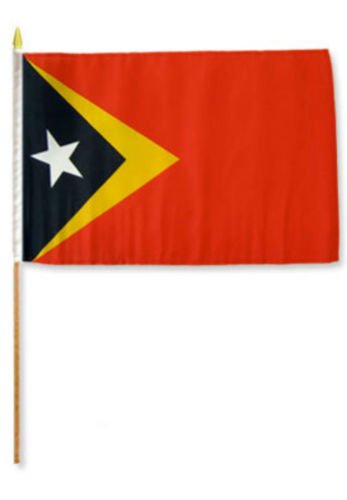
Timor-Leste
ASEAN Membership and Contributions
Historic 2025 Accession
Timor-Leste's accession on October 26, 2025 represented most significant organizational expansion since 1999 Cambodia admission, completing two-decade process and transforming ASEAN's geographic coverage to entire Southeast Asian landmass.
Economic Profile
- • GDP per capita: ~$1,400-1,600 (LDC status)
- • Petroleum Fund: ~$17 billion; depletion risk
- • Maritime area: ~70,000 km² EEZ
- • Youth demographic: 60% under 25

Distinctive Contributions
- • Post-conflict state-building experience
- • Democratic governance model
- • Lusophone cultural connections
- • Youth demographic dividend potential
Famous Tourist Places
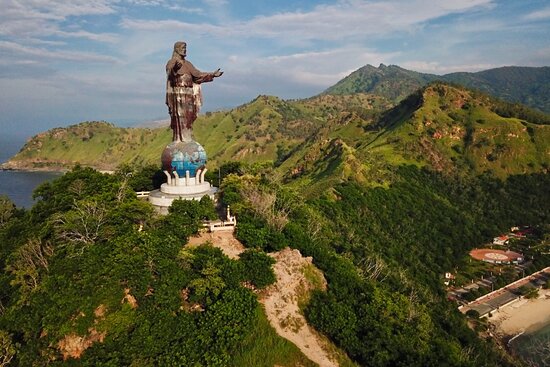
Cristo Rei of Dili
27-meter figure atop Cape Fatucama with 500-step ascent and panoramic views. Constructed 1996 during Indonesian occupation, reinterpreted as symbol of spiritual aspiration.
Monumental Symbolism
Atauro Island
Premier marine tourism destination with world's highest recorded reef fish diversity (314 species at single site). Community-based ecotourism model with village homestays.
Marine Biodiversity
Jaco Island
Uninhabited sacred island within Nino Konis Santana National Park. Fataluku tradition residence of ancestral spirits with pristine beaches and coral reefs. Day trips only with permits.
Sacred ConservationCapital City: Dili
Cristo Rei
Iconic hilltop monument providing spatial orientation and city identity with panoramic views
Tais Market
Primary venue for traditional textiles connecting urban consumers with rural producers
Resistance Museum
Premier institution documenting independence struggle with extensive collections and personal testimony
Government Palace
Portuguese colonial architecture serving as seat of government with ceremonial functions
Visual Attachments: Image Sources
Famous Tourist Places
| Country | Destination | Recommended Source |
|---|---|---|
| Philippines | Boracay White Beach | Freepik |
| Thailand | Grand Palace | Tourism Authority of Thailand |
| Singapore | Marina Bay Sands | Singapore Tourism Board |
| Indonesia | Borobudur Temple | Freepik |
| Cambodia | Angkor Wat | UNESCO World Heritage Centre |
| Brunei | Sultan Omar Ali Mosque | Brunei Tourism |
| Malaysia | Petronas Towers | KLCC Property Holdings |
| Myanmar | Bagan | UNESCO World Heritage Centre |
| Vietnam | Ha Long Bay | Vietnam National Tourism Administration |
| Laos | Luang Prabang | UNESCO World Heritage Centre |
| Timor-Leste | Cristo Rei | Timor-Leste Ministry of Tourism |
Capital City Landmarks
| Country | City | Landmark | Recommended Source |
|---|---|---|---|
| Philippines | Manila | Malacañang Palace | Presidential Museum and Library |
| Thailand | Bangkok | Grand Palace Complex | Bureau of the Royal Household |
| Singapore | Singapore | Merlion Park | Singapore Tourism Board |
| Indonesia | Jakarta | Monumen Nasional | Jakarta Capital City Government |
| Cambodia | Phnom Penh | Royal Palace | Royal Cabinet of Cambodia |
| Brunei | Bandar Seri Begawan | Jame' Asr Mosque | Islamic Religious Council of Brunei |
| Malaysia | Kuala Lumpur | Petronas Twin Towers | KLCC Property Holdings |
| Myanmar | Yangon | Shwedagon Pagoda | Shwedagon Pagoda Trust |
| Vietnam | Hanoi | Ho Chi Minh Mausoleum | Mausoleum Management Board |
| Laos | Vientiane | Pha That Luang | Lao Buddhist Fellowship Organization |
| Timor-Leste | Dili | Cristo Rei Statue | Timor-Leste Ministry of Tourism |
This report provides complete content for 11 ASEAN country profile documents, structured for direct import into PDF or Word formatting software.
Publication Date: February 25, 2026 | ASEAN Secretariat