EGb761: A Comprehensive Clinical Overview
The most extensively studied and rigorously standardized Ginkgo biloba extract in modern pharmacotherapy
Standardized Composition
Primary Indication
Key Clinical Benefits
- Cognitive function improvement in dementia
- Enhanced cerebral blood flow and neuroprotection
- Antioxidant and anti-inflammatory effects
Regulatory Status
Executive Summary
EGb761 represents one of the most extensively studied and rigorously standardized botanical extracts in modern pharmacotherapy. This pharmaceutical-grade extract of Ginkgo biloba leaves has achieved formal marketing authorization throughout the European Union for the symptomatic treatment of mild-to-moderate dementia.
Clinical Evidence
- • Multiple RCTs demonstrating cognitive improvement
- • Meta-analytic evidence for ADL preservation
- • Benefits for neuropsychiatric symptoms
- • Post-stroke cognitive recovery potential
Safety Profile
- • Generally well-tolerated with mild GI effects
- • No significant bleeding risk increase
- • Caution with anticoagulant therapy
- • Excellent long-term safety record
The standard therapeutic dose of 240 mg/day in divided doses with meals has demonstrated optimal efficacy across multiple clinical trials. While EGb761 remains a prescription medicine in Europe with guaranteed pharmaceutical quality, the regulatory discontinuity in the United States creates significant quality variability concerns for consumers seeking evidence-based benefits.
1. Definition and Standardization
1.1 Product Identity
Botanical Source and Extraction
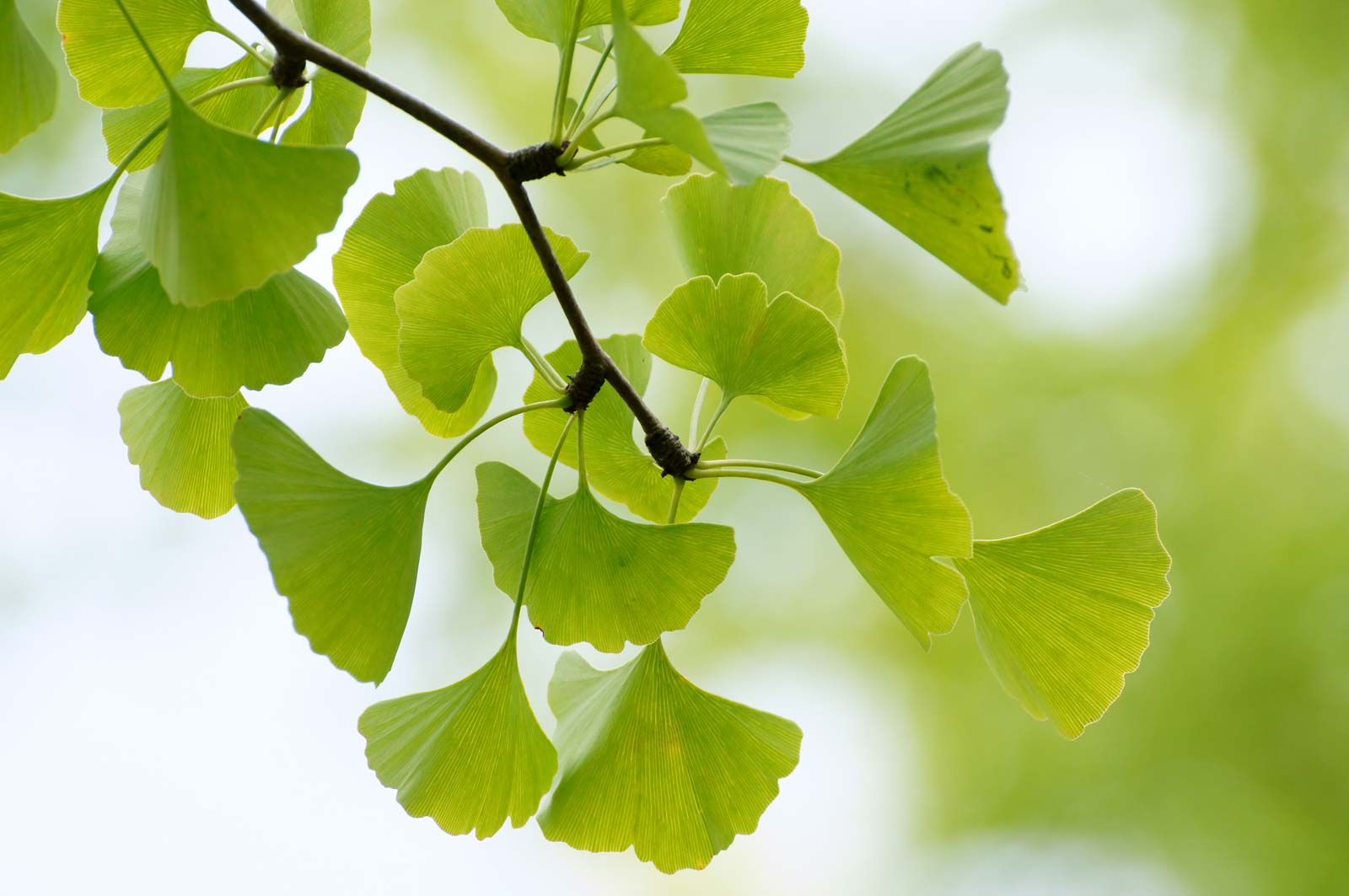
EGb761 is derived from the dried leaves of Ginkgo biloba L., a species often described as a "living fossil" due to its remarkable evolutionary persistence over approximately 270 million years [1]. The manufacturing process, developed by Dr. Willmar Schwabe GmbH & Co. KG (Karlsruhe, Germany), employs a sophisticated multi-step extraction methodology using acetone 60% (m/m) as solvent.
- • Drug-extract ratio (DER): 35-67:1
- • Ginkgolic acids: <5 ppm
- • Batch-to-batch consistency verified by HPLC
Standardized Composition (24% Flavonoids, 6% Terpenoids)
| Constituent Class | Standardized Content | Major Components | Primary Activities |
|---|---|---|---|
| Flavone Glycosides | 22-27% | Quercetin, kaempferol, isorhamnetin glycosides | Antioxidant, anti-inflammatory, vascular protection |
| Terpene Trilactones | 5.4-7% total | Ginkgolides A/B/C, bilobalide | PAF antagonism, anti-excitotoxicity, mitochondrial protection |
| Proanthocyanidins | ~7% | Oligomeric procyanidins | Antioxidant, capillary permeability reduction |
2. Approved Medical Uses and Regulatory Status
2.1 Primary Indication: Dementia and Cognitive Impairment
European Approval
EGb761 holds formal marketing authorization as a prescription medicinal product throughout the European Union for the symptomatic treatment of mild-to-moderate dementia [1].
- • Alzheimer's disease
- • Vascular dementia
- • Mixed dementia
Quality of Life Benefits
Beyond cognitive enhancement, EGb761 demonstrates multidimensional benefits for behavioral symptoms and functional abilities [244].
- • Neuropsychiatric symptoms (BPSD)
- • Activities of daily living (ADL)
- • Caregiver burden reduction
2.3 Regulatory Framework
European Medicines Agency Recognition
The EMA has established comprehensive regulatory documentation through its Committee on Herbal Medicinal Products (HMPC) [121].
- • ≥10 years documented medical use in EU
- • Comprehensive bibliographic evidence
- • Pharmaceutical quality standards
Status in Other Jurisdictions
3. Investigated Benefits and Clinical Evidence
3.1 Dementia and Alzheimer's Disease
Cognitive Function Improvement
| Outcome Measure | Effect Size (SMD) | 95% CI | Interpretation |
|---|---|---|---|
| Cognition (SKT/ADAS-Cog) | -0.52 | -0.98, -0.05 | Significant improvement |
| Activities of Daily Living | -0.44 | -0.68, -0.19 | Highly significant improvement |
| Global Clinical Assessment | -0.52 | -0.92, -0.12 | Significant improvement |
Effect sizes of 0.3-0.5 standard deviations are comparable to or exceeding those of cholinesterase inhibitors, achieved with superior tolerability [244].
Post-Stroke Recovery Evidence
Chinese Pilot Trial Results (316 patients)
P < 0.001 for both comparisons [269]
2025 Meta-Analysis
488 dementia patients with verified cerebral infarction history
- • Cognition: p = 0.0467
- • ADL: p = 0.0230
- • Global assessment: p = 0.0371
3.3 Tinnitus Evidence
Primary Tinnitus: Insufficient Evidence
Cochrane Review (2022): "Uncertainty about benefits and harms" for tinnitus as primary complaint [309].
Recent RCTs show no significant benefit vs. placebo.
Dementia-Associated Tinnitus: Potential Benefit
Meta-analysis in dementia populations: Significant benefit for neurosensory symptoms [260].
Benefits likely reflect broader neuropsychiatric improvements.
4. Mechanism of Action
Neuroprotective Effects
Antioxidant Protection
Direct radical scavenging by flavonoids plus upregulation of endogenous antioxidant defenses [190].
Anti-Apoptotic Properties
Protection against programmed cell death through mitochondrial membrane potential preservation [184].
Mitochondrial Protection
Enhanced ATP production and reduced ROS generation through heme oxygenase-1 pathway [187].
Vascular and Hemodynamic Actions
Cerebral Blood Flow Enhancement
Endothelium-dependent and independent vasodilation with preferential effects in hypoperfused territories [190].
PAF Antagonism
Ginkgolide B provides potent and specific platelet-activating factor receptor antagonism [257].
Microcirculatory Improvement
Enhanced capillary perfusion and reduced blood viscosity improving tissue oxygenation [190].
4.4 Constituent-Specific Activities
Ginkgolides
Bilobalide
Flavonoids
5. Safety Profile and Adverse Effects
5.1 Common Adverse Events
Gastrointestinal Symptoms
Mild, transient, responsive to meal administration
Neurological Symptoms
Generally mild and transient
5.2 Serious Safety Considerations
Bleeding Risk
GuidAge trial (2,854 patients): No significant excess bleeding vs. placebo [68].
Caution advised with concomitant anticoagulant/antiplatelet therapy
Contraindications
- • Pregnancy and lactation (insufficient safety data)
- • Hypersensitivity to ginkgo or constituents
- • Pre-surgical period (7-14 days discontinuation)
5.3 Drug Interactions
| Drug Class | Interaction Mechanism | Recommendation |
|---|---|---|
| Warfarin | Theoretical additive effect on INR | Monitor INR when initiating EGb761 |
| Aspirin | Additive antiplatelet effects | Monitor for GI bleeding |
| Clopidogrel | Additive antiplatelet effects | Caution with triple therapy |
| NSAIDs | Additive GI toxicity | Avoid or minimize; consider PPI protection |
6. Dosage and Administration
Standard Therapeutic Dosing
Treatment Duration
Minimum Treatment Period
4-8 weeks for initial effects, 12 weeks for significant differences vs. placebo
Optimal Duration
22-26 weeks for maximal demonstrated benefit; long-term use appropriate for sustained effects
Special Populations
Dose-Response Relationship
Clear dose-response relationship: 240 mg daily consistently outperforms 120 mg daily across multiple endpoints [1] [244].
7. Availability and Access
Europe: Prescription Medicinal Product
Guaranteed Quality Standards
- • Pharmaceutical-grade manufacturing (GMP)
- • Batch-to-batch consistency verified
- • Professional prescribing oversight
- • Reimbursement in many healthcare systems
Key Markets
United States: Quality Concerns
Regulatory Discontinuity
The identical extract requiring prescription in Europe is available as a dietary supplement with minimal regulatory oversight.
Product Quality Comparison: EGb761 vs. Typical Supplements
| Quality Parameter | EGb761 (Pharmaceutical) | Typical Supplement |
|---|---|---|
| Extraction Solvent | Acetone 60% (m/m) - specified | Variable, often unspecified |
| Drug-Extract Ratio | 35-67:1 | Variable, often unknown |
| Flavone Glycosides | 22-27% quantified | Highly variable, frequently <10% |
| Terpene Lactones | 5.4-7.0% with specified ratios | Often undetectable or unquantified |
| Ginkgolic Acids | <5 ppm - rigorously controlled | Often present at substantial levels |
| Manufacturing | GMP pharmaceutical | Dietary supplement GMP (less stringent) |
| Clinical Evidence | Extensive, product-specific | Not applicable |