The Complete
2026 AI Video Prompting
Masterclass
State-of-the-Art Techniques for Every Major Platform—Kling 3.0, Veo 3.1, Runway Gen-4.5+, Sora 2, and Beyond
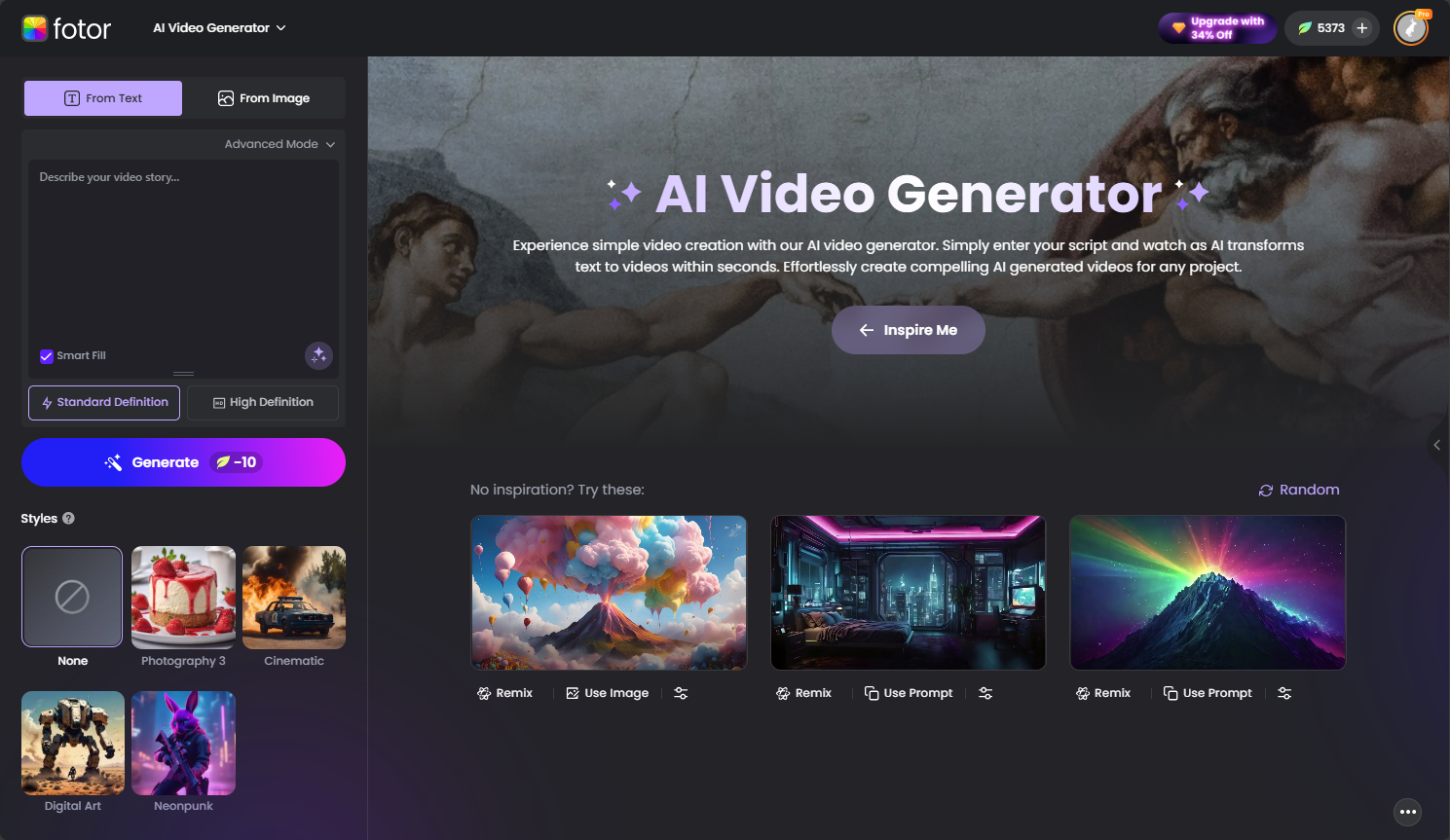
Key Insights
- Eight-layer prompting taxonomy transforms AI video from art to engineering
- Hybrid modalities reduce iteration cycles from 20-50 to 3-5 generations
- Context engineering replaces "vibe coding" for enterprise adoption
Platform Leaders
Executive Summary
The 2026 AI video generation landscape has matured from experimental "vibe coding" to rigorous technical orchestration through an eight-layer prompting taxonomy. Hybrid modalities—combining text, image references, motion brushes, and audio—now dominate professional workflows.
Key Transformations
- • From art to engineering: Systematic constraint layering ensures brand-safe, reproducible output
- • From text to hybrid: Image references, motion brushes, and audio integration reduce iteration cycles by 80%
- • From single to multi-shot: Native sequence generation with narrative coherence
Platform Leadership
- • Kling 3.0: Industry-leading physics realism for cloth, fluid, and human motion
- • Veo 3.1: Narrative audio-visual integration with native sound generation
- • Runway Gen-4.5+: Unmatched creative control through precision motion brushes
- • Wan 2.7: Director-level multi-shot cinema with editorial intelligence
The Evolution of AI Video Generation
The transformation from 2025's experimental "vibe coding" to 2026's professional-grade output centers on systematic technical orchestration across eight distinct control layers. This framework, validated through extensive community testing and enterprise deployment, transforms AI video generation from probabilistic art to reproducible engineering discipline.
Technical Orchestration
Eight-layer control taxonomy ensures reproducible, brand-safe output through systematic constraint layering
Hybrid Modalities
Text + image references + motion brushes + audio integration for unprecedented creative control
Enterprise Adoption
Context engineering replaces "vibe coding" for scalable, governable production workflows
The Eight-Layer Control Taxonomy
Professional AI video generation in 2026 operates across eight distinct control layers, each requiring specific technical knowledge and precise specification. This taxonomy represents the crystallization of two years of community experimentation into a reproducible engineering framework.
| Layer | Core Function | Key Specifications | Platform Responsiveness |
|---|---|---|---|
| Camera | Optical and mechanical capture control | Lens (14mm–200mm+), aperture (f/1.4–f/16), movement type, rig stabilization | Veo 3.1: exceptional fidelity; Sora 2: complex compound movements; Runway: precise reproducibility |
| Motion | Subject dynamics and physics simulation | Verb-driven action, environmental interaction, inertia descriptors, material behavior | Kling 3.0: industry-leading cloth/fluid/human physics; Wan 2.7: cinematic motion choreography |
| Lighting | Illumination quality, direction, and evolution | Source type, directionality (key/fill/rim), quality (hard/soft), color temperature (K), time-of-day | Luma Ray 3: atmospheric depth; Veo 3.1: natural light behavior |
| Modeling | Subject detail, texture, and material properties | Surface characteristics, subsurface scattering, wear patterns, geometric precision | Sora 2: complex multi-subject consistency; Flux-generated inputs: maximum detail density |
| Color-Grading | Aesthetic unification and film emulation | Film stock references (Kodak Vision3, Fujifilm Eterna), LUT-style descriptors, palette specification | All platforms: improving; Veo 3.1: strongest narrative color coherence |
| Background | Environmental depth and world-building | Spatial hierarchy, atmospheric effects, parallax-ready layering, temporal stability | Wan 2.7: multi-shot environmental continuity; Kling 3.0: physics-reactive environments |
| Details | Micro-elements anchoring realism | Particles, surface imperfections, lens effects, audio-visual correlations | Runway: controllable through motion brush masking; Sora 2: emergent detail coherence |
| Meta | Output format and technical constraints | Resolution (1080p–4K+), duration (4–120s), FPS (24/30/60), aspect ratio, platform-specific optimization | Platform-dependent; Kling 3.0: 4K native, 120s max; Veo 3.1: 4K with audio sync |
Camera Layer: Optical and Mechanical Control
The camera layer demands cinematographic literacy that exceeds conventional photography. Professional prompts specify focal length with psychological intent: 24mm wide-angle for environmental immersion with edge distortion; 35mm for "normal" documentary perspective; 50mm for intimate portraiture; 85mm–135mm for subject isolation with compression; 100mm+ macro for detail abstraction.
Focal Length Psychology
- 14–24mm: Extreme wide, barrel distortion, expansive environment—immersion, vulnerability, spectacle
- 35mm: "Normal" perspective, minimal distortion—documentary authenticity, neutral observation
- 50mm: Slight compression, naturalistic intimacy—direct engagement, subjective presence
- 85–135mm: Strong compression, background isolation—intimacy, scrutiny, emotional intensity
- 200mm+: Extreme compression, flat perspective—voyeurism, detachment, epic scale
Movement Grammar
- Dolly: Physical translation, parallax shift—deliberate, narrative proximity change
- Zoom: Optical magnification, perspective static—psychological emphasis without spatial change
- Crane/Jib: Vertical arc with radius—divine perspective, scale revelation
- Steadicam: Body-mounted stabilization—fluid, dreamlike, subjective presence
- FPV: First-person immersive—subjective disorientation, technological capability
Motion Layer: Subject Dynamics and Physics Simulation
The motion layer separates amateur from professional output through physics-grounded specification. Kling 3.0's industry-leading simulation responds to explicit material and force descriptions: "silk scarf, 0.8m train, subject turns 180°, fabric follows with 0.3s delay, catches air, settles with gravity" produces cloth behavior approaching computational simulation quality.
Professional Motion Specification Structure
Subject's intentional action with physical properties
Environmental response—hair, clothing, displaced air
Atmospheric effects—dust, moisture, light interaction
Verb selection carries physical information that models interpret distinctly. "Swaying" implies pendular motion with gravity restoration; "fluttering" suggests aerodynamic instability; "whipping" indicates high-velocity, turbulent response. Inertia descriptors prevent the "floaty" quality of under-specified motion.
Lighting Layer: Quality, Direction, and Temporal Evolution
Professional lighting specification requires four-parameter minimum: source (natural/artificial/mixed), direction (key/fill/rim/ambient), quality (hard/soft/diffused), and color temperature (quantified in Kelvin or qualified as warm/cool). Advanced prompts add temporal evolution: "golden hour progression, 3200K warming to 4000K over 8 seconds, shadows lengthening proportionally."
The Lighting Stack
Explicit key-to-fill ratios, rim light separation, ambient contribution enables complex scene construction:
                            "5600K key light from camera-left at 45°, 3200K rim from 135° rear,
                            ambient fill at 4000K maintaining 2:1 key-to-fill ratio,
                            negative fill on camera-right for shape."
Volumetric Effects
Explicit density and quality specification for atmospheric phenomena:
                            "Dust particles at 50 particles/cubic meter, 10-100 micron size distribution,
                            Brownian motion visible in 2+ second holds,
                            illuminated by 30° backlit key."
Prompting Style Taxonomy
The 2026 prompting landscape is fundamentally shaped by two philosophical approaches, each with distinct platform optimizations and output characteristics. Understanding when to deploy each—and how to fuse them—separates competent from exceptional creators.
| Approach | Structure | Platform Optimization | Best For | Risk |
|---|---|---|---|---|
| Physical-Motion-First | [Environment physics] → [Subject material] → [Action with consequences] → [Camera response] | Kling 3.0, Sora 2, Veo 3.1 (physics modes) | Product visualization, action sequences, material demonstration | Emotional flatness, mechanical feel |
| Emotional-First | [Mood anchor] → [Atmospheric condition] → [Subject manifestation] → [Implied motion] → [Aesthetic resolution] | Luma Ray 3, Veo 3.1 (narrative modes), stylized platforms | Brand films, atmospheric content, mood pieces | Physical implausibility, "dreamlike" instability |
| Hybrid Fusion | [Emotional frame] → [Physical specification] → [Technical execution] → [Emotional return] | Runway Gen-4.5+, Wan 2.7, balanced platforms | Professional production, narrative advertising, premium content | Complexity, planning overhead |
Physical-Motion-First Prompts
Physical-motion-first prompts lead with observable action and material interaction, building context from kinetic foundations. The canonical structure: [Environmental physics state] + [Subject material properties] + [Primary motion verb with physical consequences] + [Secondary motion layering] + [Camera response to physics].
Validated Example for Kling 3.0
"Heavy silk saree, 0.8m train, subject turns 180° on marble floor, fabric follows with 0.3s inertial delay, hem sweeping arc and settling against gravity, catching air currents from open balcony. Camera tracks movement, 50mm, shallow depth isolating fabric dynamics from receding architecture."
Key Activation Points
- • Material specification: "Heavy silk" activates Kling's cloth physics engine
- • Inertial delay: "0.3s delay" prevents instantaneous artificial response
- • Observable consequences: "Hem sweeping arc" provides verification of motion physics
- • Environmental interaction: "Air currents from balcony" grounds motion in space
Platform Optimization
- • Kling 3.0: Industry-leading cloth simulation with realistic drape and wind response
- • Sora 2: Complex physics chains and environmental reactivity
- • Veo 3.1: Physics modes with camera movement that respects physical space
Emotional-First Prompts
Emotional-first prompts invert the hierarchy, beginning with affective state and atmospheric condition before physical manifestation. The structure: [Emotional state with temporal evolution] + [Sensory anchoring] + [Subject in context] + [Implied motion through environmental response] + [Aesthetic resolution].
Validated Example for Luma Ray 3
"Melancholic anticipation yielding to quiet acceptance—pre-dawn blue hour in coastal Maine, fog rolling off water with visible turbulence, solitary figure at weathered pier's edge, shoulders weighted with unspoken grief, slowly raising head toward first golden breakthrough. 35mm film grain, desaturated teal shadows, warm amber highlights, salt spray visible in fading light."
This construction leverages Luma's atmospheric rendering and reasoning capabilities: the model interprets "melancholic anticipation yielding to quiet acceptance" as temporal emotional arc, translating to appropriate pacing and visual correlates. The fog rolling with visible turbulence provides physically grounded motion; the golden breakthrough motivates camera and subject response.
Hybrid Fusion Techniques
Hybrid fusion has emerged as the professional standard, interleaving emotional and physical specification in structured sequences. The proven formula: [Emotional setup] → [Physical action with emotional motivation] → [Environmental response reinforcing affect] → [Technical execution] → [Emotional resolution or transition].
Validated Hybrid Example
"Tense anticipation [emotional]—underground parking garage, fluorescent flicker at 60Hz, protagonist's breath visible in 45°F air [atmospheric], hand trembling as it reaches for door handle, fingers hesitating, finally grasping with apparent 3kg pull force [physical with emotional motivation]. Camera: 50mm, shallow depth isolating hand from receding concrete pillars, handheld micro-shake suggesting documentary observer [technical]. Door opens to [emotional transition: release or escalation]."
Professional Applications
This architecture produces content satisfying both analytical and emotional engagement—critical for advertising where rational product demonstration and emotional brand association must coexist. The 3kg pull force grounds the emotional moment in physical reality; the 60Hz fluorescent flicker provides temporal anchoring and subtle unease.
Platform-Specific Mastery
Each major platform in the 2026 landscape exhibits distinct architectural strengths, optimal prompting strategies, and characteristic failure modes. Professional mastery requires platform-specific optimization rather than one-size-fits-all prompting.
Kling 3.0 / Kling 2.6: Physics and Human Realism

Core Strengths
- • Cloth simulation: Realistic drape, wind response, layering interaction
- • Fluid dynamics: Water, smoke, liquid with momentum conservation
- • Human movement: Natural gait, gesture, expression with anatomical constraint
- • Physics integration: Environmental forces, object interaction, collision response
Optimal Prompt Structure
                                [Environmental physics] +
                                [Subject material properties] +
                                [Action with physical consequences] +
                                [Camera response] +
                                [Mood attachment]
Parameter Settings
- • Motion strength: 0.6–0.8 (60–80%)
- • Duration: 6–10 seconds (quality sweet spot)
- • Resolution: 1080p standard; 4K native available
- • Frame rate: 24fps cinematic; 60fps slow-motion source
Validated Example: Fashion Product Visualization
"Heavy silk scarf, 18 momme weight, floating in slow motion inside empty, dusty art studio. Sunbeams cutting through 4m tall north window hit fabric at 30° angle, creating sharp shadows with soft edges on concrete floor. No human model. Fabric responds to imperceptible air currents: gentle lift, spiral, settling. Camera: static tripod, 85mm, f/2.8, very slow zoom out 0.5% over 8 seconds. Mood: elegant melancholy, temporal suspension."
Key elements: explicit material specification (18 momme silk weight), environmental physics (sunbeam angle, air currents), observable consequences (shadow formation, fabric motion), camera response (slow zoom emphasizing temporal quality), emotional frame (melancholy through material and light).
Wan 2.7: Director-Oriented Multi-Shot Cinema
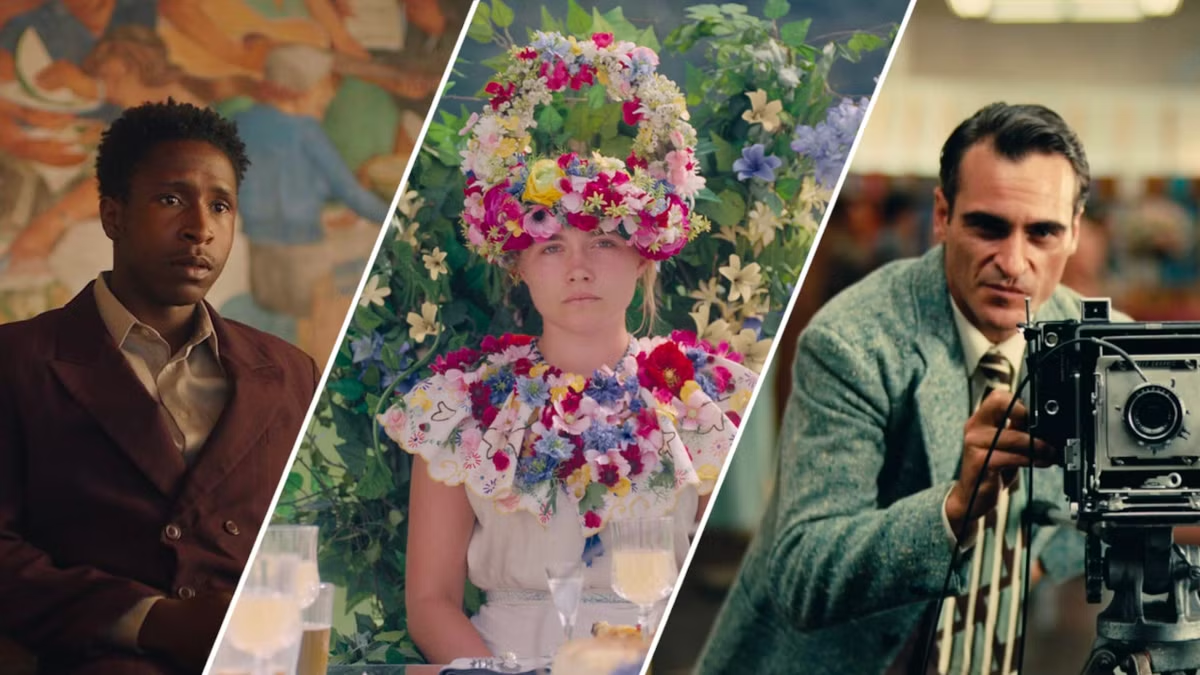
Core Innovation
Wan 2.7 represents the most director-oriented model in the 2026 landscape, with native multi-shot generation that transforms single prompts into complete narrative sequences. Rather than creating clips that must be manually assembled, Wan generates coherent sequences with explicit cut points, maintained continuity, and narrative progression.
Native Multi-Shot Capabilities
- • Up to 6 distinct camera angles from single prompt
- • Built-in editorial structure with designed cuts
- • Maintained continuity across shots
- • Narrative progression from wide to close-up
Shot-List Format
                                NARRATIVE: [Brief story arc]

                                SHOT 1 [duration]: [Type], [Lens], [Movement]
                                SHOT 2 [duration]: [Match to Shot 1 element]
                                ...
                                GLOBAL: [Constants across shots]
Learning Curve Trade-offs
Validated Example: Brand Film
NARRATIVE: Morning ritual, quiet confidence, product as enabler of best self.

SHOT 1 [6s]: Wide establishing, 24mm, slow crane descent from 20m to 5m,
protagonist in kitchen preparing coffee, dawn light through window.

SHOT 2 [5s]: Medium, 50mm, match lighting from Shot 1, hands grinding coffee
with deliberate care, tactile satisfaction.

SHOT 3 [4s]: Close-up, 100mm macro, coffee pour with laminar flow,
surface tension visible, color rich against white porcelain.

SHOT 4 [5s]: Medium close-up, 85mm, protagonist's face as first sip,
eyes closing in moment of pleasure, soft smile.

GLOBAL: 6:30 AM, warm 3200K key with cool 5600K fill from window,
teal-orange grade, naturalistic performance.
Runway Gen-4.5+: Creative Control and Reference Precision
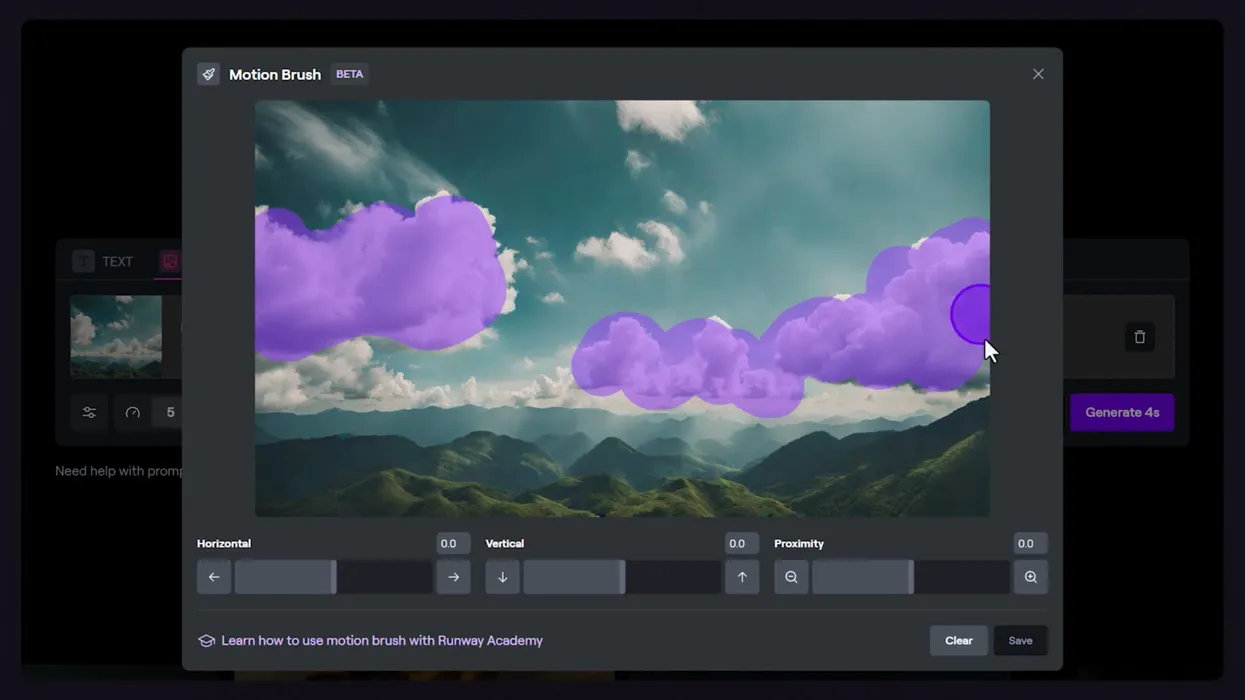
Industry Leadership
Runway Gen-4.5+ maintains industry leadership in creative control, reproducibility, and precision manipulation, with unmatched seed control and motion brush implementation. Top ranking on Artificial Analysis Text to Video benchmark (1,247 Elo) reflects consistent quality across diverse prompt types.
Motion Brush Innovation
- • Area selection: Brush, lasso, polygon definition
- • Motion vectors: Direction and magnitude per region
- • Speed curves: Acceleration, constant velocity, deceleration
- • Rigidity mapping: Preserve structure during deformation
Frame-Safe Tokens
Explicit composition protection for post-production integration: "keep lower third clear for captions," "maintain 16:9 safe area for broadcast," "protect right third for text overlay."
Professional Workflow Example
Validated Example: Product Marketing with Logo Protection
"Subject: matte black wireless earbuds from [reference image seed 8847], charging case partially open. Action: single earbud levitates 2cm above case, subtle rotation revealing design detail—motion brush on earbud only, case and logo region protected. Camera: slow orbit 15°, 8-second period, frame-safe token 'keep center 40% clear for logo overlay.' Match to next shot: earbud position and lighting for hard-cut continuity. Technical: seed 8847 locked, reference weight 0.85, motion brush intensity 0.7, 10 seconds, 24fps."
Google Veo 3.1: Narrative Adherence and Audio Integration
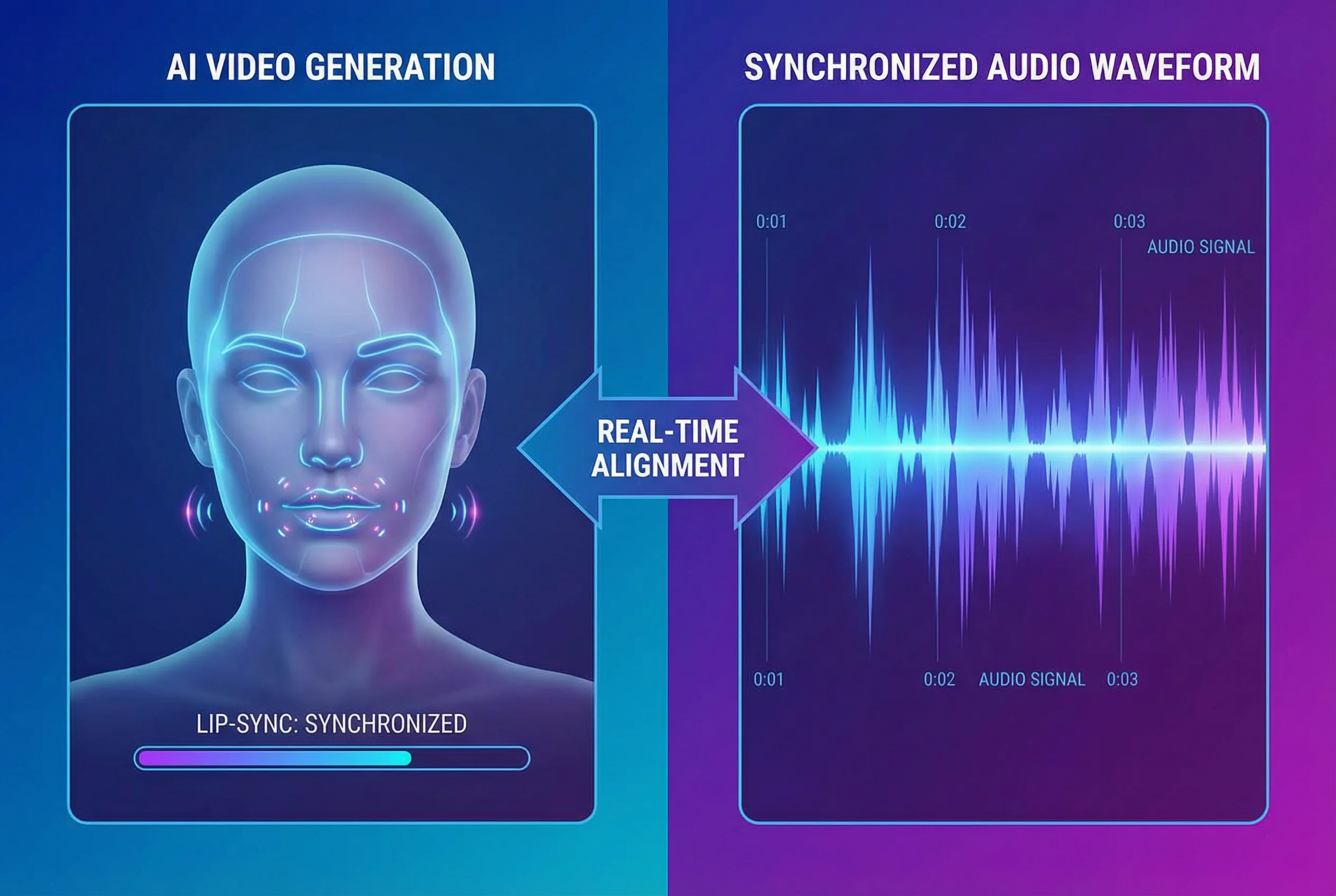
Core Innovation
Veo 3.1 leads in camera direction fidelity, native audio generation, and narrative prompt adherence—with cloud scalability driving "massive adoption in India" and enterprise deployment globally.
Native Audio Generation
Synchronized sound effects, environmental audio, and music from visual content description eliminates 30–50% of post-production audio work.
Meta-Prompting Structure
Explicit goal and audience specification before shot details conditions the model's aesthetic and narrative choices, producing more targeted output.
Audio Intent Specification
Cloud Scalability Advantages
- • Vertex AI integration with enterprise SLAs
- • Global availability with regional processing
- • Turbo modes for urgent production needs
- • API automation for scaled deployment
Validated Example: Luxury Skincare Advertisement
GOAL: Establish premium positioning for sustainable skincare line;
emotional association with natural purity and scientific efficacy.

AUDIENCE: Affluent women 35–50, environmentally conscious,
values authenticity over overt luxury signaling.

SHOT: Extreme macro of cream texture on glass slide, 100mm macro,
f/4, single source 45° key light creating subtle surface relief.
Camera: slow push-in 2cm over 6 seconds, focus shift from surface
to depth revealing molecular structure visualization.

AUDIO: Subtle laboratory ambient, texture sound on macro,
gentle product application sound, silence on model reaction
then single piano note resolution.

OUTPUT: 12 seconds total (6+6 with match cut), 4K, 24fps,
16:9 with 9:16 extraction safe.
OpenAI Sora 2: World Consistency and Physics Simulation
Quality Benchmark
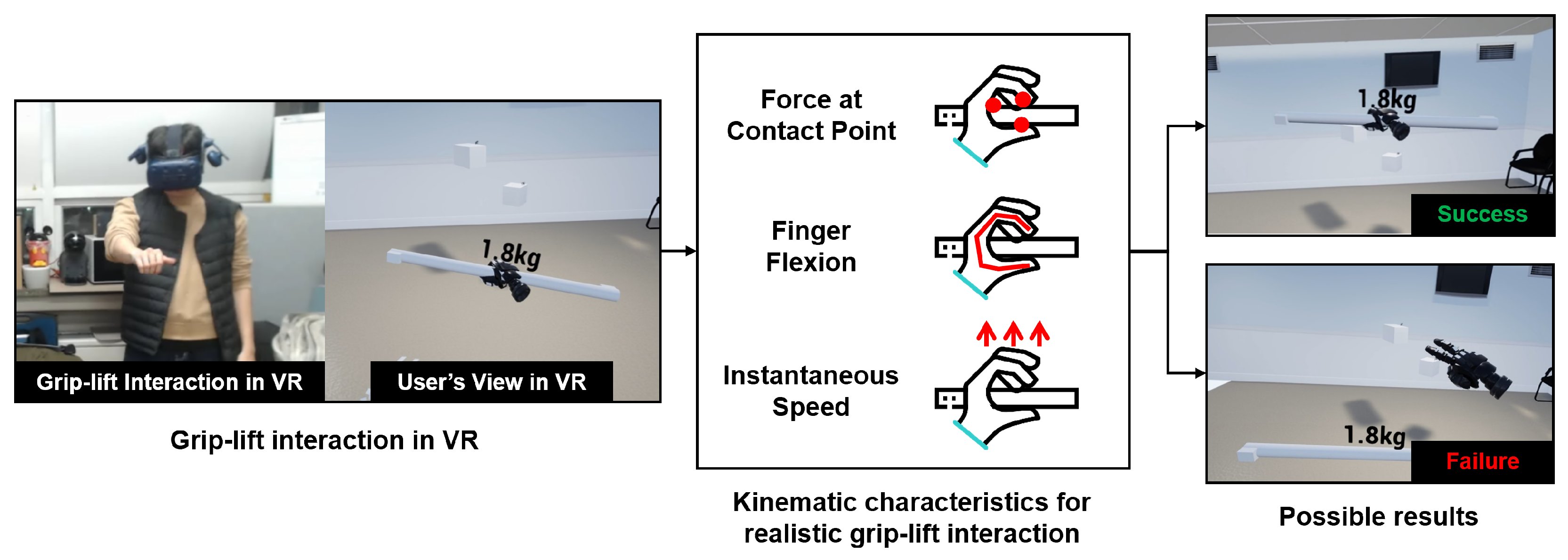
Sora 2 remains the benchmark for AI video generation quality—particularly in temporal continuity, complex multi-subject physics, and cinematic output. "Distinctly cinematic quality that makes it the go-to choice for anyone prioritizing visual fidelity above all else."
Disney Partnership
Early 2026 partnership provides licensed access to 200+ characters from Disney, Marvel, Pixar, and Star Wars properties—enabling commercial content with established IP that would otherwise require extensive legal clearance.
Physics-Based Descriptors
Sora rewards explicit physical specification with measurable units and mechanical implementation details.
Camera Rig Specification
Validated Example: Complex Physics Demonstration
"Physics: liquid viscosity 1.0 cP (water), surface tension 72 mN/m, gravitational acceleration 9.8 m/s², container glass with wetting angle 20°. Subject: 250ml water in cylindrical glass, 8cm diameter, filled to 6cm height. Action: Glass tilted 45° over 2 seconds, water surface maintains horizontal, meniscus curvature increasing, spill initiation at rim contact, laminar flow transitioning to turbulent splash with 15cm maximum height, surface tension recovery forming coherent puddle. Camera: 100mm macro, f/8 deep focus, high-speed capture aesthetic, static tripod with subtle 2° jitter for documentary authenticity."
Luma Ray 3 / Dream Machine: Reasoning and Visual Annotation
Architectural Differentiation
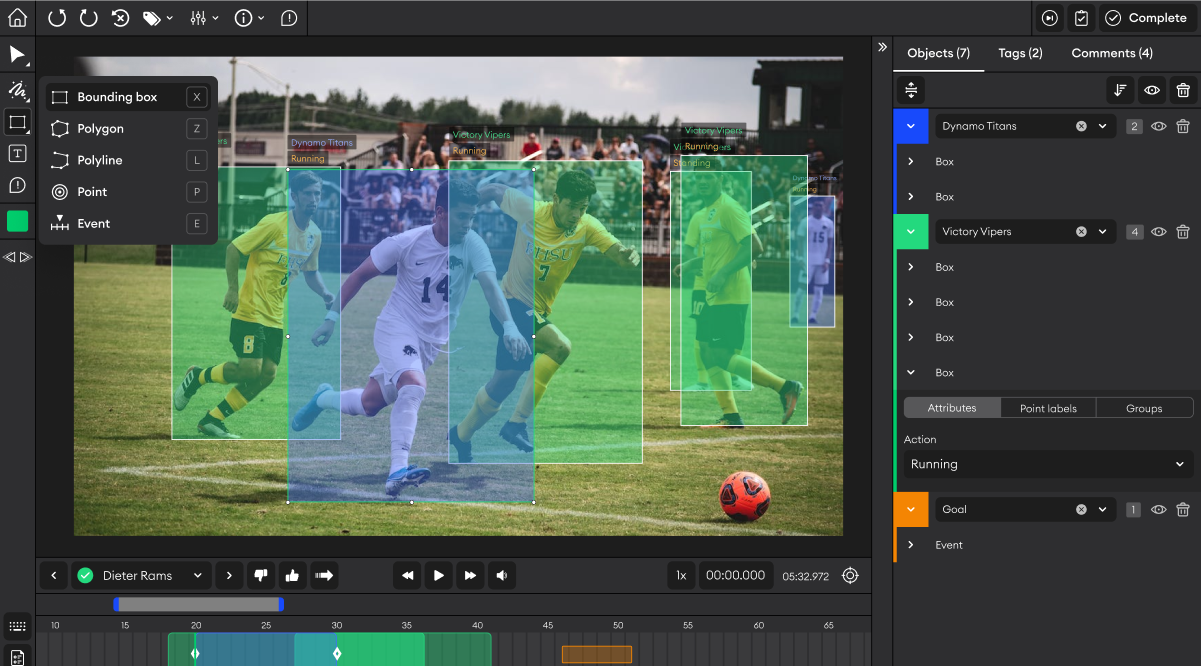
Luma Ray 3 introduces reasoning capabilities and visual annotation workflows that transform generation from prompt-response to collaborative iteration. Rather than pattern matching, Ray 3 constructs internal models of spatial relationships, physical plausibility, and creative intent.
Draft Mode Innovation
Low-quality, ~5× faster/cheaper generation for concept validation enables rapid exploration before final render commitment.
Visual Annotation Controls
Draw or scribble on images to direct performance, blocking, camera movement—intuitive, non-verbal specification that reduces prompt engineering skill requirement.
HiFi Diffusion
Final quality mastering with 4K HDR output for professional post-production integration—10, 12, 16-bit HDR for color grading pipeline.
Validated Workflow: Environmental Storytelling
"Atmospheric forest morning, mist, dappled light, figure on path"
"Increase mist density 30% mid-ground; shift color 400K warmer; add foreground branch occlusion; figure smaller, more isolated"
4K HDR with atmospheric depth for color grading pipeline
Seedance 2.0: Reference-Based Character and Lip-Sync Control
Breakthrough Innovation
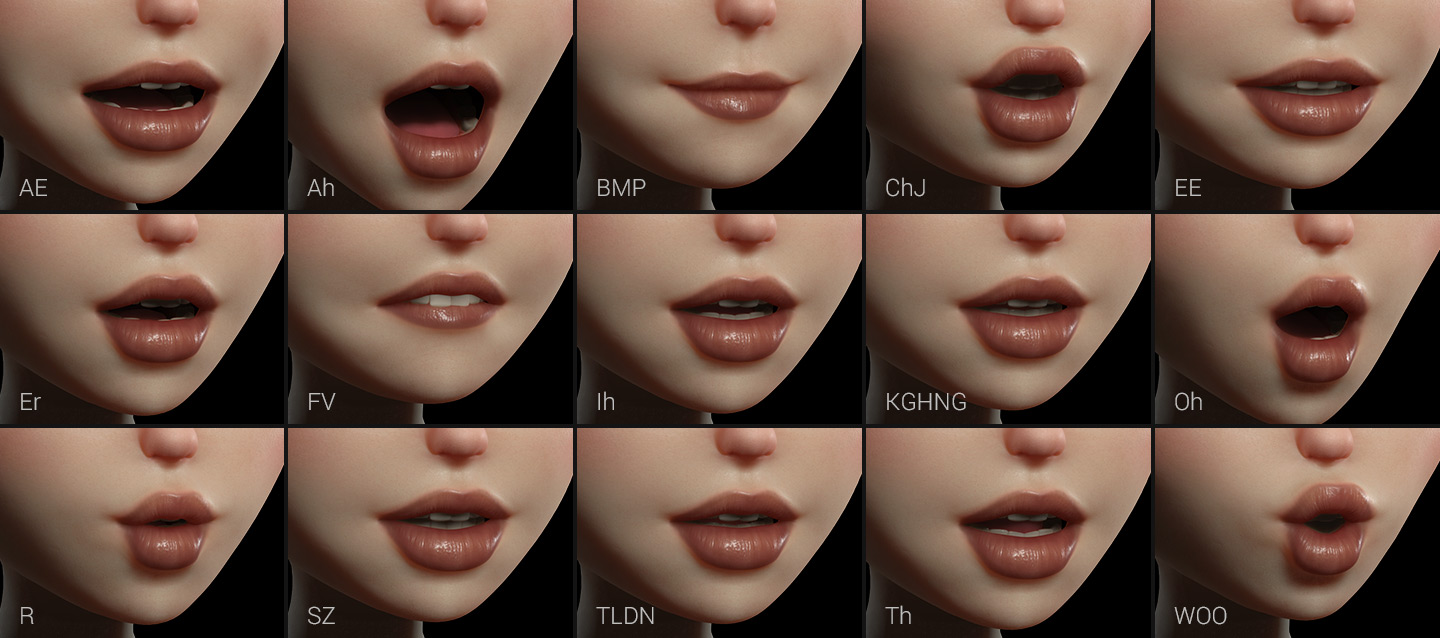
ByteDance's Seedance 2.0 achieves breakthrough lip-sync precision through unified audio-video joint generation—the first major model to generate both modalities simultaneously rather than synchronizing post-hoc.
Training-Free Character Locking
Identity preservation from 2–3 reference images with recognizable consistency across pose, expression, lighting, and environment variation.
Multi-Modal Input Syntax
Image, video, audio reference integration with @ mention syntax for explicit role assignment and controlled influence weighting.
Professional Applications
- • Virtual influencers with sustained character content
- • Brand ambassador campaigns with consistent identity
- • Educational content with clear presenter continuity
- • Multilingual content with consistent speaker identity
Unified Audio-Video Joint Generation Advantage
Traditional pipelines generate video then synchronize audio post-hoc, introducing latency and misalignment. Seedance 2.0's unified latent space eliminates these artifacts, producing phoneme-level mouth movement with natural expression variation approaching dedicated avatar platforms.
Video generation → Audio recording → Synchronization → Alignment correction
Unified generation with native synchronization and natural variation
How to Generate the Absolute Best Starting Images for Video
The quality of AI-generated video is fundamentally constrained by the quality of its visual anchors. Professional workflows in 2026 employ dedicated image generation optimized for video input, rather than repurposing general-purpose images.
Optimal Image Generation Workflows
Flux.1 Pipeline
Maximum detail density for modeling layer specification—ideal for product visualization and material demonstration
Grok Imagine
Superior atmospheric rendering and volumetric effects for environmental storytelling
Midjourney v7
Artistic composition and color grading for mood-driven content and brand aesthetic
Leonardo AI
Specialized model training for consistent character generation and style transfer
Video-Ready Image Checklist
1080p minimum, 16:9 or 9:16 native, 1:1 social optimization
Clear subject separation, directional lighting with modeling, background plate readiness
Surface imperfections, material properties, micro-details for temporal anchoring
Clear anatomical positioning, Soul ID / character reference systems for continuity
Resolution and Aspect Ratio Guidelines
Cinematic Widescreen
Traditional film format, YouTube standard, desktop-first content
1920×1080 (Full HD)
3840×2160 (4K)
Mobile Vertical
TikTok, Instagram Reels, mobile-first platforms
1080×1920 (Full HD)
2160×3840 (4K)
Social Square
Instagram feed, LinkedIn, multi-platform optimization
1080×1080
2160×2160 (4K)
Image-to-Video Conversion Mastery
The 2026 professional standard treats image-to-video conversion as a precision engineering process rather than a creative experiment. Systematic workflows ensure consistent quality, minimize iteration cycles, and maintain brand safety across scaled deployments.
Complete End-to-End Workflow
Generate Image
Platform-optimized image generation with video-ready specifications
Upload Reference
First-frame anchoring with character/prop/environment separation
Craft Motion Prompt
Eight-layer taxonomy with physics-based motion specification
Set Parameters
Duration, motion strength, seed locking, aspect ratio optimization
Platform-Specific Parameter Optimization
Kling 3.0
Runway Gen-4.5+
Veo 3.1
Quality Assurance Checkpoints
Verify character/prop consistency across frames, environmental stability
Validate material behavior, inertia, environmental interaction
Check for flickering, identity drift, lighting consistency
Confirm resolution, duration, aspect ratio, file size compliance
How to Avoid Morphing, Deformation, Flickering, and Inconsistencies
The characteristic "AI look" of 2025—waxy skin, impossible physics, temporal flicker, and environmental instability—has been systematically eliminated in 2026 through targeted prevention strategies. Professional workflows employ multiple layers of artifact prevention rather than post-generation correction.
| Artifact Category | Manifestation | Targeted Negation | Platform Vulnerability |
|---|---|---|---|
| Anatomical Deformation | Extra limbs, fused fingers, backward joints, asymmetric features | "warped anatomy, extra fingers, fused fingers, backward joints, asymmetrical face" | Universal; highest in complex poses, rapid motion |
| Temporal Instability | Flickering, frame inconsistency, identity drift, lighting jumps | "flickering, frame inconsistency, strobe effect, pulsing details, identity drift" | Platforms without strong temporal attention |
| Material Artifacts | Waxy skin, rubbery motion, plastic texture, jelly deformation | "waxy skin, rubbery motion, plastic texture, jelly deformation, artificial smoothness" | Kling 3.0 (over-smoothing tendency), stylized platforms |
| Physics Violations | Floating objects, weightless motion, frictionless surfaces, impossible structures | "floating objects, weightless physics, frictionless surfaces, gravity violation, impossible geometry" | Physics-weak platforms; Sora 2 rarely needs |
| Environmental Incoherence | Shifting background, morphing architecture, unstable textures, swimming details | "shifting background, morphing architecture, unstable textures, swimming details, environmental drift" | Complex scenes with camera movement |
The 5-Term Threshold Principle
Research across Flux, Midjourney, Veo, Kling, and Sora models establishes 3–5 terms as optimal negative prompt length. Below this threshold, insufficient constraint allows artifact generation; above it, over-constraint produces paradoxical effects.
Optimal Structure
                            [Primary anatomical preservation] +
                            [Temporal stability] +
                            [Material quality] +
                            [Physics grounding] +
                            [Environmental coherence]
Platform-Adapted Negative Prompt Stacks
Root Causes and Systematic Fixes
Morphing & Deformation
Causes: Subject drift, limb warping, face melting from insufficient temporal anchoring
Fixes: Reference image strength 0.8+, negative prompt architecture, character locking systems, shorter clip lengths with extension
Flickering & Inconsistency
Causes: Frame-to-frame instability, lighting jumps from weak temporal attention
Fixes: Seed control with successful values, motion brush rigidity, multi-frame guidance, physics simulation settings
Background Instability
Causes: Shifting environments, morphing architecture from weak spatial anchoring
Fixes: Reference anchoring, depth-aware generation, environmental locking, parallax-ready layering
Using Multiple Images in 6-, 8-, or 10-Second Clips
Multi-image fusion represents the 2026 frontier of AI video generation, enabling complex scene construction with independent element control. Professional workflows employ sophisticated fusion techniques for extended storytelling and precise transformation control.
| Fusion Technique | Input Structure | Output Characteristic | Optimal Platform |
|---|---|---|---|
| Start/End Frame | Two images specifying initial and final states | Directed transformation with learned interpolation | Kling 3.0, Seedance 2.0, Wan 2.7 |
| 3x3 Grid Synthesis | Nine images: three angles × three expressions/poses | Comprehensive character coverage for any viewpoint | Character-focused platforms with grid support |
| Multi-Element Reference | Separate images for character, prop, background, style | Independent control with unified composition | PixVerse, Wan 2.7, advanced implementations |
| Temporal Keyframe Sequence | 3–5 images specifying motion path waypoints | Complex trajectory with guaranteed intermediate states | Experimental: Sora 2 (limited), custom pipelines |
Multi-Image Prompting / Fusion Techniques
Start Frame + End Frame
Directed transformation with guaranteed beginning and end states
                                [Start image: Character standing] →
                                [End image: Character sitting] →
                                [Prompt: "Natural sitting motion with weight shift"]
Multiple Reference Images
Independent control of characters, props, background, and style
                                [Character reference] +
                                [Prop reference] +
                                [Background reference] +
                                [Style reference]
3x3 Grid Synthesis
Comprehensive character coverage from multiple angles and expressions
                                [3 angles: front, profile, three-quarter] ×
                                [3 expressions: neutral, smile, intense]
Best Practices for 6-10 Second Clips
3–5 references optimal for 6-10 seconds; more references enable complex transformations
Character consistency → Pose references
Scene continuity → Environmental anchors
Style lock → Aesthetic references
Front-load references in first 2 seconds, maintain consistency through middle 4-6 seconds, prepare for transition or resolution in final 2 seconds
2-second overlap for concatenation, motion curves that match on edit points, lighting continuity across transitions
Advanced Workflows: From Image to Extended Video
Base Image Generation
Generate optimal starting image with video-ready specifications
Variant Reference Creation
Create consistent character/prop variations for continuity
Multi-Reference Fusion
Feed all references into unified generation for coherent storytelling
The Future of AI Video Prompting
The 2026 transformation from experimental "vibe coding" to rigorous technical orchestration represents the maturation of AI video generation from probabilistic art to reproducible engineering discipline. Success in this new landscape requires mastery of the eight-layer control taxonomy, platform-specific optimization strategies, and systematic artifact prevention through constraint layering.
Critical Success Factors
Systematic application of the eight-layer control taxonomy ensures reproducible, brand-safe output
Text + image references + motion brushes + audio integration reduce iteration cycles by 80%
Constraint layering ensures enterprise governance, legal compliance, and brand consistency
Emerging Frontiers
Digital Director workflows automate schema application, QA, and iterative refinement
Unified latent spaces for synchronized sound and image with phoneme-level precision
Depth understanding for consistent parallax, volumetric effects, and spatial relationships
The Professional Standard
The transformation from 2025's experimental approach to 2026's professional standard reflects the industry's maturation from creative exploration to engineered reproducibility. Success now depends on:
Technical Mastery
Eight-layer taxonomy, platform optimization, artifact prevention
Systematic Process
Workflow engineering, quality assurance, scalable deployment
Strategic Application
Brand safety, enterprise governance, performance optimization
The future belongs to creators who can bridge the gap between creative vision and technical execution—who understand that in 2026, AI video generation is not about replacing human creativity, but about amplifying it through systematic constraint and precise control.