Businesses today face challenges in managing repetitive tasks, processing large amounts of data, and making faster decisions. Traditional automation often struggles with complex workflows that require reasoning and adaptation. AI agent use cases show how intelligent systems can transform industries by planning, executing, and improving tasks with less human effort. In this guide, we'll explore real-world examples of how AI agents improve productivity and solve practical business challenges.
What is an AI agent?
An AI agent is an intelligent system that can understand goals, make decisions, and take actions to complete tasks on behalf of users. Unlike traditional AI tools that only respond to prompts, AI agents can plan steps, use tools, gather information, and adapt their approach based on the situation. They combine reasoning, automation, and data processing to handle multi-step workflows. This makes them useful for areas like business operations, research, software development, and customer support.
How do AI agents work?
AI agents work by combining large language models (LLMs) with tools, memory, and decision-making capabilities to complete tasks. Instead of only generating responses, they can analyze goals, create action plans, use external tools, and adjust their approach based on new information. They can retrieve real-time data, automate workflows, and break complex objectives into smaller steps. With memory and learning abilities, AI agents can improve their performance and provide more accurate results over time.
20 practical AI agent use cases for real-world applications
AI agents are helping businesses automate complex workflows, improve productivity, and make faster decisions across industries. They can analyse data, use tools, and complete multi-step tasks with less human effort. Here are practical AI agent use cases across different industries.
Healthcare
Clinical assistants
AI agents analyse patient records, symptoms, and medical data to support healthcare professionals. These AI agents use cases to help doctors make informed decisions, reduce paperwork, and improve patient care.
Appointment bots
Appointment bots manage scheduling, reminders, cancellations, and basic patient questions. They reduce administrative tasks and make healthcare access faster and more convenient.
Drug discovery support
AI agents help researchers analyse scientific data, medical studies, and research findings. These use cases of AI agents speed up early research by reducing manual analysis and identifying useful patterns.
What this AI agent solves
Healthcare AI agents solve problems related to manual documentation, slow workflows, and information management. They allow medical teams to focus more on improving patient outcomes.
Finance & banking
KYC automation
AI agents verify customer documents, analyse identity information, and support compliance processes. These AI agent use cases help financial institutions reduce manual verification time and improve accuracy.
Algorithmic trading
AI agents monitor market trends, financial signals, and real-time data to support trading strategies. They help investors respond faster to changing market conditions.
What this AI agent solves
Finance AI agents reduce repetitive compliance tasks and improve financial monitoring. They help teams manage large amounts of data with better efficiency.
Retail & e-commerce
Demand forecasting
AI agents analyse sales patterns, customer behaviour, and market trends to predict future demand. They help retailers maintain inventory levels and reduce stock-related issues.
Visual product tagging
AI agents identify product details from images, including colour, category, and style. This improves product organization and creates better search experiences for customers.
What this AI agent solves
Retail AI agents solve challenges related to inventory planning, personalization, and customer engagement. They help businesses create smoother shopping experiences.
Supply chain & logistics
Predictive maintenance
AI agents monitor equipment data and detect possible failures before breakdowns occur. They help companies reduce downtime and improve maintenance scheduling.
Route optimization
AI agents analyse traffic, delivery conditions, and transportation data to suggest efficient routes. These use cases of AI agents help logistics teams reduce delays and improve operations.
What this AI agent solves
Supply chain AI agents reduce disruptions, planning issues, and operational delays. They provide useful insights for faster and more reliable workflows.
Manufacturing & field services
Troubleshooting agents
Troubleshooting agents analyse equipment problems and provide repair guidance to technicians. They help teams resolve issues faster using available technical knowledge.
Quality inspection with AI vision
AI agents use computer vision to identify defects during production. They improve inspection accuracy and reduce the need for manual quality checks.
What this AI agent solves
Manufacturing AI agents help reduce production errors, equipment failures, and quality problems. They support more consistent and efficient industrial processes.
Education
Personalized learning assistants
AI agents analyse student needs and learning patterns to provide customized support. They offer explanations, recommendations, and learning guidance based on individual progress.
Automated grading support
AI agents assist teachers by reviewing assignments and organizing feedback. They reduce repetitive evaluation work and improve grading consistency.
Student progress tracking
AI agents monitor academic performance and identify areas where students need improvement. They help educators provide timely guidance and support.
What this AI agent solves
Educational AI agents reduce administrative tasks and improve learning experiences. They help institutions use data to support better academic outcomes.
Customer service
24/7 support bots
AI agents handle customer questions, provide instant responses, and resolve common issues. They improve service availability and reduce customer waiting times.
Ticket routing automation
AI agents analyse customer requests and send them to the right support teams. This helps businesses manage support operations more effectively.
What this AI agent solves
Customer service AI agents solve problems related to repetitive inquiries and slow responses. They allow human teams to focus on complex customer needs.
Legal/compliance
Contract review automation
AI agents review contracts, identify important clauses, and highlight possible risks. These AI agent applications help legal teams manage documents faster.
Document risk flagging
AI agents scan documents to detect compliance issues or missing information. They support faster reviews and improve accuracy in legal workflows.
What this AI agent solves
Legal AI agents reduce manual document analysis and simplify compliance management. They make important information easier to find and evaluate.
Software development & IT
Code generation and debugging agents
AI agents help developers write code, identify errors, and improve existing solutions. They support faster development and better software quality.
DevOps automation agents
AI agents assist with testing, deployment, monitoring, and system maintenance. They help IT teams automate repetitive workflows and manage operations efficiently.
What this AI agent solves
Software AI agents reduce manual development effort and simplify technical processes. They help teams build, maintain, and improve applications more effectively.
As AI adoption continues to grow, organizations are looking for practical ways to apply these capabilities without building complex systems from scratch. While these examples highlight some of the most valuable AI agent use cases, the right platform can make implementation much easier. One such solution is Kimi AI Agent, which helps users automate workflows, conduct research, and complete multi-step tasks with greater efficiency.
Meet Kimi AI Agent: Your AI assistant for research and productivity
Kimi AI Agent is an advanced AI assistant designed to help users research information, manage tasks, and improve productivity. It can gather data from multiple sources, analyse information, generate content, and assist with complex workflows from a single interface. With its ability to plan and execute multi-step tasks, Kimi helps streamline everyday work, making research, content creation, and project management faster and more efficient.
Key features
Analyze data and create professional documents
Kimi AI Agent can process datasets, extract insights, and transform information into structured outputs. It helps users create professional-level spreadsheets, presentations, reports, and other business documents with less manual work.
Research the web and synthesize information
Kimi AI Agent can gather information from multiple sources, analyze online content, and summarize key findings. It helps users conduct deep research, compare information, and turn scattered resources into clear insights.
Generate code and automate workflows
Kimi AI Agent can write code, assist with debugging, and help users build automated workflows. From repetitive tasks to multi-step processes, it can help turn ideas into working solutions.
Handle complex tasks with coordinated AI agents
Kimi AI Agent can break down complex requests into smaller steps and coordinate multiple AI agents to complete different parts of a workflow. This makes it easier to manage research, analysis, creation, and execution in one place.
How to use the Kimi AI Agent?
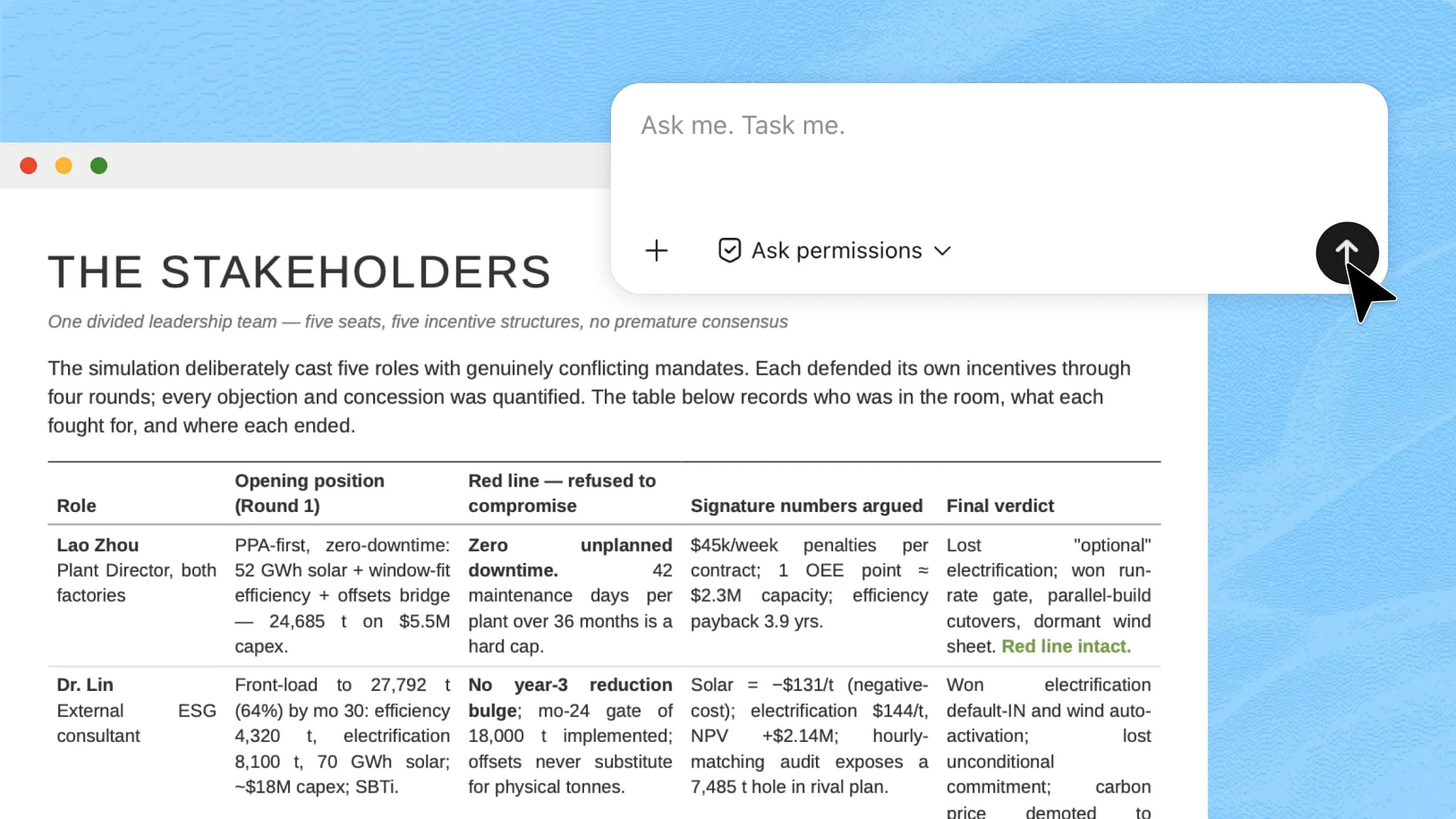
Getting started with Kimi AI Agent is simple. Follow the steps below to assign a task, let the agent work through it, and review the final results.
Step 1: Access the Kimi AI Agent and start a task
Open the Kimi AI Agent and describe the task you want it to complete. If needed, you can also upload documents, spreadsheets, PDFs, or other data files to provide additional context and help the agent generate more accurate results.
Step 2: Let the AI agent process
After submitting your request, Kimi AI Agent will analyse the task, gather relevant information, and execute the necessary steps. Depending on complexity, it may conduct research, organize findings, and generate structured outputs automatically.
Step 3: Review results and export
Once the task is complete, review the generated results and make any necessary adjustments. You can then copy, refine, or export the output for reporting, documentation, presentations, or further use.
Conclusion
The growing adoption of AI agents shows how automation is moving beyond simple chat interactions to handling research, analysis, decision-making, and workflow execution. These practical AI agent use cases demonstrate the value AI can bring across industries, helping organizations improve efficiency and focus on higher-impact work. As AI technology continues to evolve, tools like Kimi AI Agent make it easier to apply these capabilities in everyday tasks, turning complex processes into streamlined and productive workflows.