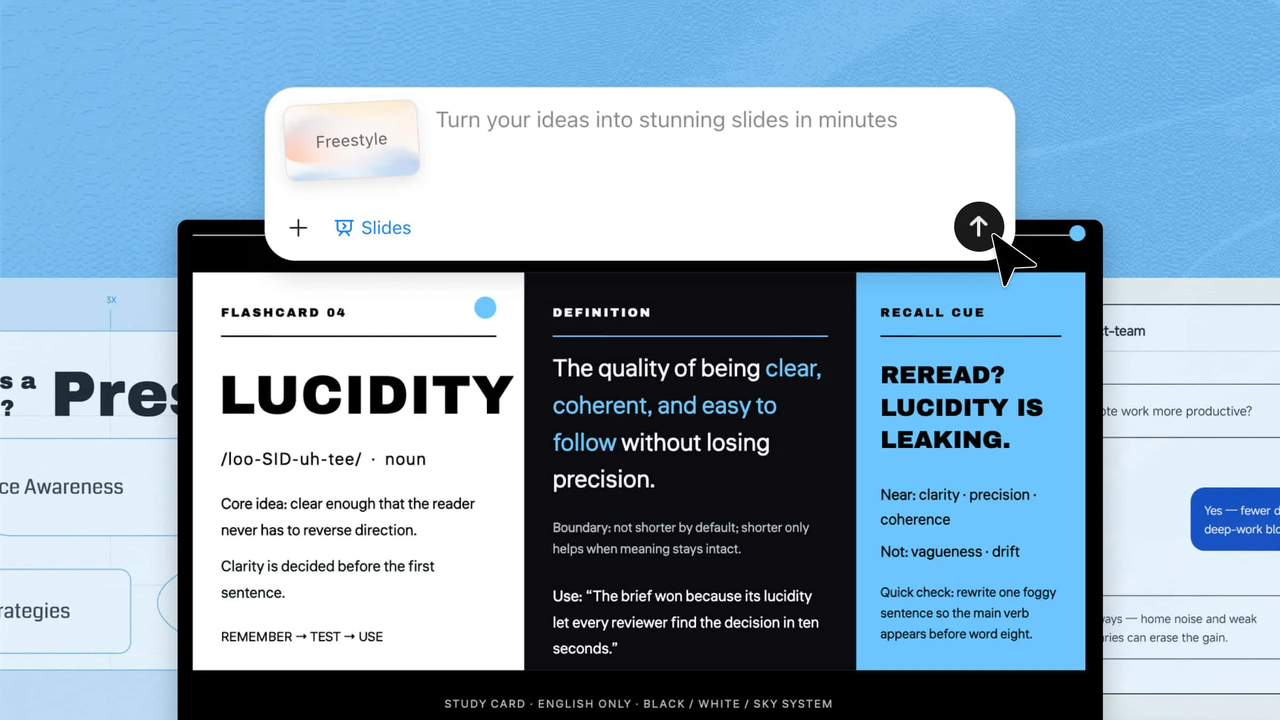
When your data, charts, or notes are saved as JPG images, turning them into a presentation can feel slow and frustrating. You often have to insert each image one by one, adjust the size, fix the layout, and make sure every slide looks clean and readable. That takes extra time, especially when you need a presentation quickly for class, work, or a meeting. In this article, you will learn how to convert JPG to PPT for free in different ways.
Overview of 3 methods to convert JPGs to PPT slides
There are a few different ways to turn JPG images into presentation slides, and the best one depends on how you want to work. Kimi Slides is a good option if you want a faster AI-based JPG to PPT converter with editable results and less manual effort. Microsoft PowerPoint works well when you want full control over slide placement and formatting, while Google Slides is useful if you prefer a simple browser-based option that you can access from anywhere.
| Method | Main advantage | Suitable for |
|---|---|---|
| Kimi Slides | Creates a more structured and editable presentation from uploaded JPG files with less manual work | Users who want a faster and more automated way to turn JPGs into presentation slides |
| Microsoft PowerPoint | Gives full control over slide order, image placement, and overall layout | Users who want to place and arrange JPG images manually in slides |
| Google Slides | Lets you upload JPG files, organize slides online, and download the final presentation in PowerPoint format | Users who want an online method that works in the browser |
How to convert JPG to editable PPT using Kimi Slides?
If you want a quicker way to turn image files into presentation slides, Kimi Slides, an AI presentation maker, can make the process much easier. Instead of manually placing every image, adjusting layouts, and building slides from scratch, you can upload your JPG files and let the tool organize the content into a proper presentation. Follow the steps below to see how it works.
Step 1: Upload your JPG file and enter the prompt
Open Kimi Slides, upload the JPG image or images you want to turn into slides, and then add a clear prompt describing the presentation you want. The better your instructions are, the more organized and useful the final PPT will be.
Example prompt:
Step 2: Let AI process and generate results
Once the files and prompt are added, Kimi Slides will read the image content and turn it into a slide deck automatically. It arranges the information into slides, adds structure, and prepares the presentation in a more usable format.
Step 3: Edit and download the PPT file
After the slides are ready, check the presentation and make any edits you need to the text, layout, or slide order.
When everything looks good, download the file as a PPT and use it for your class, work, or project.
Main functions of Kimi Slides
Turn JPG images into visually appealing presentations: Kimi Slides transforms JPG images into polished PowerPoint slides with professional layouts, consistent formatting, and balanced visual design, helping users create presentation-ready decks without manual formatting.
Extract text and visual information automatically: Kimi identifies text, charts, tables, and other key content within JPG images, then converts them into editable slide elements while preserving important information from screenshots, scanned documents, infographics, and other visual materials.
Combine multiple JPG files into one PPT: Upload multiple JPG images at once, and Kimi organizes them into a single presentation with slides arranged in a logical sequence. This makes it easy to create complete presentations without manually adding and ordering each image.
Generate fully editable PowerPoint slides: Instead of producing static image-based slides, Kimi creates editable PPTs that let you modify text, adjust layouts, rearrange slides, and refine your presentation after generation. This gives you greater flexibility when updating or customizing your content.
Choose preset styles for customized presentations: Kimi Slides offers a range of preset design styles that allow users to generate presentations with a specific visual aesthetic. By selecting a preferred style, users can create polished PPTs with consistent layouts, colors, and design elements that match their presentation needs.
How to convert JPG to PPT using Microsoft PowerPoint?
Microsoft PowerPoint offers a simple manual way to turn JPG images into presentation slides without needing any additional software. You can insert one or multiple JPG files, place them on separate slides, and adjust the layout based on your needs. It works well for quick presentations where the goal is to display images clearly inside a PPT file. Here's how to convert JPG to PPTX using Microsoft PowerPoint.
Step 1: Open PowerPoint and create a new presentation
Launch Microsoft PowerPoint and open a blank presentation where you want to add your JPG images. This gives you a fresh slide deck that you can organize and build according to your content.
Step 2: Insert the JPG image into the slide
Go to "Insert" > "Pictures" and select the JPG file from your device.
After adding it, you can resize the image, move it, and adjust its position so it fits the slide properly.
Step 3: Add more slides and save the PPT file
For multiple JPG files, insert each image into a separate slide or place them in the order you want. Once everything is arranged, go to "File" > "Save As" and save the presentation in PPT or PPTX format.
How to convert JPG to PPT using Google Slides?
Google Slides is another easy way to turn JPG images into a presentation without installing desktop software. Since it works in the browser, you can upload your images, arrange them into slides, and access the file from anywhere with your Google account. It is a good option for students, teams, and anyone who wants a simple online method. Here's how to convert JPG to PPT online for free.
Step 1: Open Google Slides and start a blank presentation
Go to Google Slides and create a new blank presentation where you want to place your JPG images. This gives you an empty slide deck that you can use to build your PPT from scratch.
Step 2: Upload your JPG image to the slide
Click "Insert" > "Image" > "Upload from computer" and choose the JPG file you want to add. Once the image appears on the slide, you can resize and position it the way you want.
Step 3: Arrange the slides and download the presentation
Add more slides for additional JPG files and place each image in the correct order. When the presentation is ready, go to "File" > "Download" > "Microsoft PowerPoint (.pptx)" to save it as a PPT file.
Key practices for better JPG to PPT conversion
Good results depend not only on the conversion tool but also on how well your JPG files are prepared. A few simple practices can help maintain image quality, improve slide readability, and create more professional presentations.
Use high-resolution images
Start with clear JPG files to preserve details, charts, and text after conversion. High-quality images help prevent blurry slides, especially on large screens.
Arrange images in the correct sequence
Organize your JPG files in the desired order before uploading them. This helps maintain a logical slide flow and reduces the need for manual adjustments after conversion, especially for scanned documents, reports, or step-by-step visuals.
Optimize image file size when necessary
Large JPG files may slow down the conversion process and increase the final PPT file size. Compress images while maintaining good quality to improve performance and make your presentation easier to upload, edit, and share.
Review the final slide layout and formatting
After conversion, review each slide for image placement, spacing, alignment, and overall design. Making small adjustments can improve the presentation’s appearance and ensure it is ready for sharing or presenting.
Conclusion
Understanding how to convert JPG to PPT slides can save time when you need to turn image-based content into a presentation that is easier to organize, present, and update. If you want to simplify the process and reduce manual work, Kimi Slides is a practical option to explore. Try it to turn your JPG files into editable presentation slides with less effort.