Finding an AI deep research tool can be challenging when different tools offer varying levels of analysis, source quality, and research capabilities. Choosing the wrong platform may lead to incomplete insights, unreliable information, or inefficient workflows. This guide simplifies the selection process by comparing 10 leading AI deep research tools, highlighting their features and ideal use cases to help you identify the most suitable solution for your research needs.
Overview of 10 AI academic research tools
Academic research is no longer limited to manual reading and note-taking. Some tools are best for quick paper discovery, while others focus on deep understanding or research mapping. The table below highlights key tools based on their strengths so you can choose the right one for each research need.
| Tool | Core f ocus | Key strength | Main use |
|---|---|---|---|
| Kimi Deep Research | End-to-end research workflow | Multi-source analysis + structured reports | comprehensive academic research and reporting |
| Elicit | Paper discovery + summaries | Fast literature review support | Finding and summarizing research papers |
| SciSpace | Paper reading + explanation | AI-assisted understanding of PDFs | Simplifying complex academic content |
| Research Rabbit | Literature mapping | Visual citation networks | Exploring related studies and trends |
| Consensus | Evidence-based search | Answers from peer-reviewed studies | Quick scientific fact-checking |
| Semantic Scholar | Academic search engine | Smart ranking + citation tracking | Finding relevant research papers |
| Perplexity | AI search assistant | Real-time answers with citations | Fast research and verification |
| Citation Snowballing | Citation expansion method | Forward/backward tracking | Expanding literature review scope |
| Inciteful | Citation network tool | Research cluster visualization | Mapping academic relationships |
| NotebookLM | Document-based research AI | Personalized knowledge from files | Organizing and analyzing study notes |
10 next-gen AI tools for academic research and writing
Research work is changing fast with the help of smart digital tools. These new AI systems make writing, studying, and analysis much easier and quicker. Let's explore the next-gen AI tools that are shaping modern academic research and writing.
Kimi Deep Research
Kimi Deep Research is an advanced AI tool built for full academic research workflows. It goes beyond summarizing by gathering information from multiple sources, analyzing it, and producing structured reports. It supports literature reviews, citation-based reasoning, and deep knowledge synthesis. Designed for long-context understanding, it can handle large documents while keeping results consistent and research-focused, making it useful for complex academic tasks.
Main features
Multi-source powered deep research: Kimi Deep Research integrates academic databases and open web search to retrieve relevant scholarly papers, research materials, and supporting evidence. It cross-references multiple sources to verify facts before presenting results, improving the reliability of insights.
Personalized research with file uploads: Users can upload documents, papers, or datasets, and the tool includes them in the research process. This makes it useful for combining personal study material with external information.
S upport s tructured long-form reports : Kimi Deep Research can create well-organized research reports with clear sections, logical flow, and academic-style citations. This helps users quickly turn raw information into polished, research-ready writing.
Interactive, iterative research flow: The tool supports a step-by-step conversation where users can refine their questions. Each response builds on the previous one, helping users explore topics in more depth over time.
Flexible multi-format outputs: Users only need to specify the desired output format in the prompt e.g., PDF, Word, Excel, PPT, or visual reports, and Kimi Deep Research automatically generates structured content, supports basic computation, and embeds data visualizations for both writing and analysis tasks.
Suitable for
Academic researchers working on literature reviews and journal papers
University students preparing assignments, theses, and dissertations
Data analysts handling large datasets and extracting insights
Professionals creating structured reports and research-based presentations
How to use Kimi AI for academic research?
Using Kimi for academic research is quite simple once you understand its basic workflow. It helps you move from collecting information to building structured insights step by step. Let's look at how you can use it effectively for your research tasks.
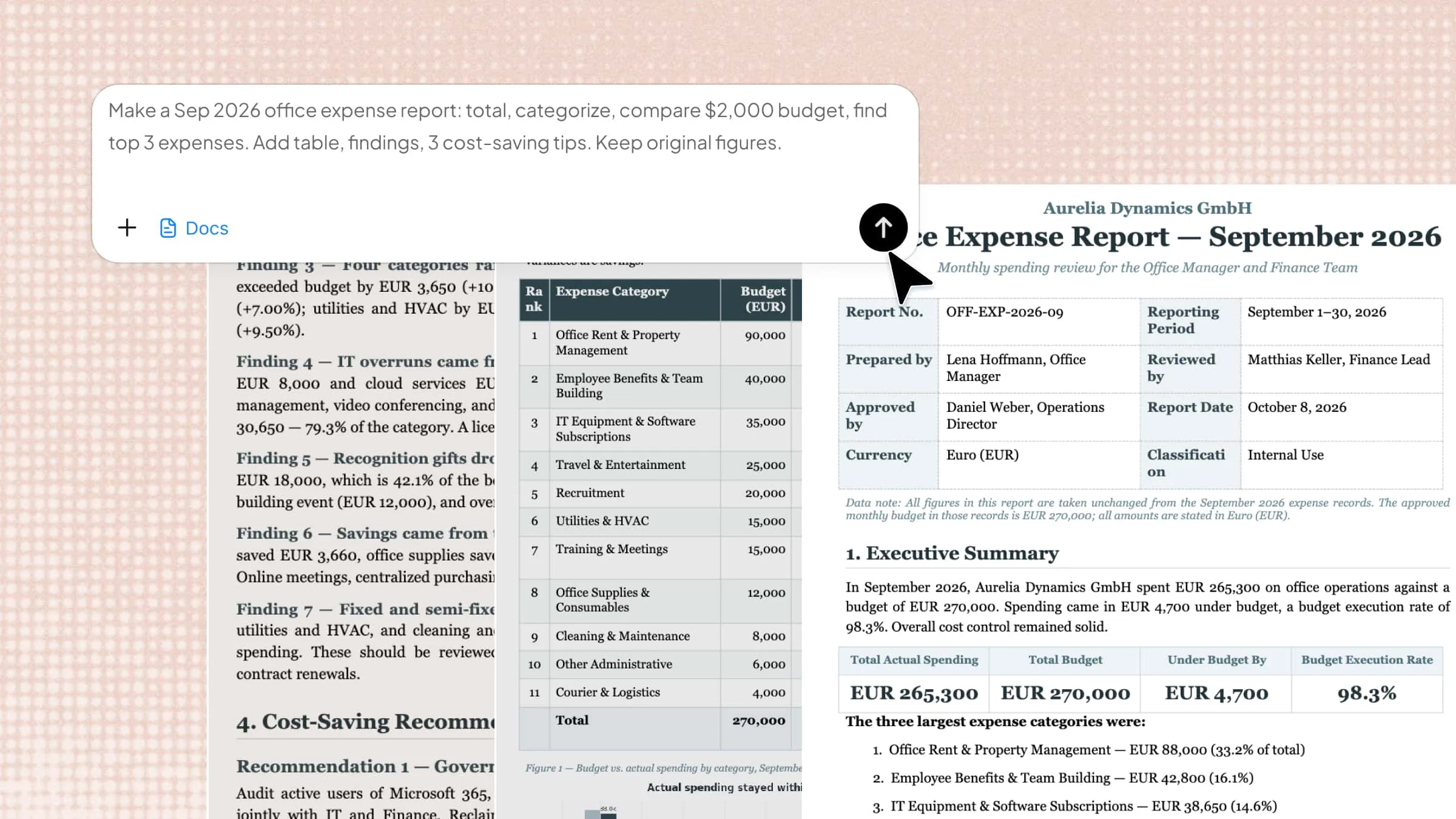
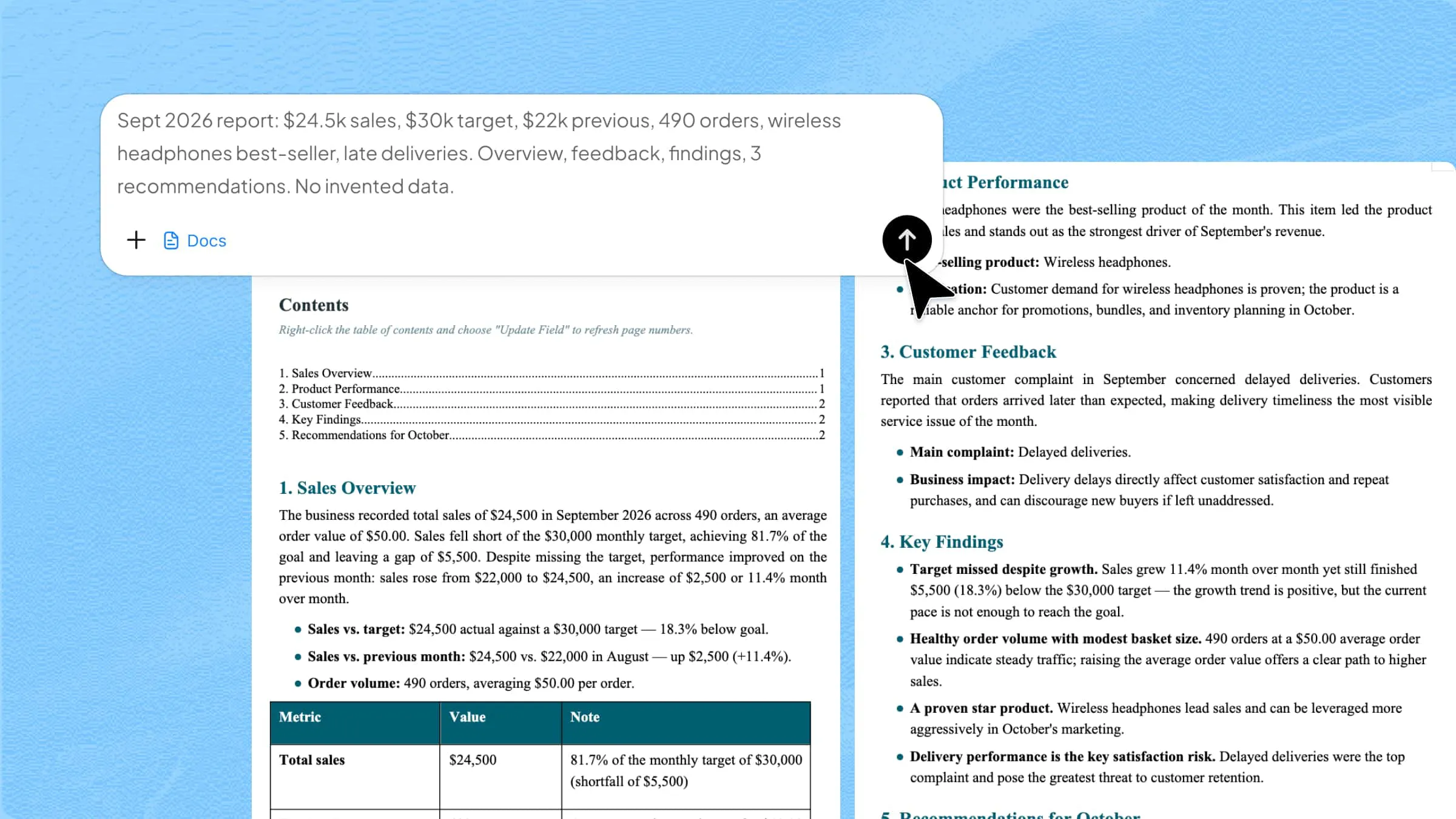
Step 1: Enter a clear prompt
Open Kimi Deep Research and write a detailed prompt highlighting academic research, then click the Submit button to let the AI generate the result.
Example prompt:
Step 2: Let Kimi process and generate results
Kimi AI analyzes your prompt, searches academic sources, and builds structured insights. The system organizes findings into comparisons, summaries, and key research points based on your instructions.
Step 3: Preview and export
Review the generated report carefully. Check citations, arguments, and structure. Adjust the prompt or regenerate if needed to improve depth or focus. Then export or copy the final research output for your academic use.
Elicit
Elicit is an AI research assistant designed to speed up the early stages of academic work. It focuses on helping users find relevant papers, extract key findings, and build structured summaries from large research databases. Instead of manually scanning hundreds of papers, it automates the discovery and comparison process. Researchers use it to narrow down topics, identify gaps, and understand existing literature quickly.
Main features
AI-powered paper discovery: Elicit searches across large academic databases to find relevant studies based on natural language queries. It reduces the need for keyword-based manual searching.
Automated literature summarization: The tool extracts key points from research papers and presents them in structured formats. This saves time during the literature review.
Research question breakdown: It helps break broad questions into smaller sub-questions for better analysis. This improves clarity in research planning.
Evidence-based comparison tables: Elicit can organize findings from multiple papers into comparison tables. This makes it easier to evaluate different studies side by side.
Suitable for
Literature review writing
Research topic exploration
Academic project planning
Systematic review preparation
SciSpace
SciSpace is an AI-powered academic platform built to simplify complex scientific papers. It helps users read, understand, and interact with research articles more easily. The tool is widely used by students and researchers who struggle with dense technical language in journals. It combines AI explanations with document reading, making it easier to interpret formulas, methods, and results.
Main features
AI paper explanation tool: SciSpace explains difficult sections of research papers in simple language. It helps users understand technical content without external help.
Interactive PDF reading: Users can ask questions directly from PDFs and get instant answers. This improves reading speed and comprehension.
Research paper search engine: It provides access to a large database of academic papers. Users can quickly find relevant studies for their topic.
Citation and reference support: SciSpace helps generate and manage citations in multiple formats. This simplifies academic writing and referencing.
Suitable for
Students reading complex research papers
Early-stage researchers learning new topics
Thesis and dissertation writers
Academic writing and referencing tasks
Research Rabbit
Research Rabbit is an AI-driven discovery tool that visualizes academic literature as connected networks. Instead of traditional searching, it maps relationships between papers, authors, and topics. This helps researchers understand how ideas evolve. It is especially useful for exploring niche fields and discovering hidden connections between studies.
Main features
Literature mapping visualization: Research Rabbit creates interactive maps of research papers. This helps users see how studies are connected.
Author and paper tracking: Users can follow authors or papers to receive related recommendations. This supports continuous discovery.
Smart recommendation engine: The tool suggests relevant studies based on user interests. It improves research depth and coverage.
Timeline-based exploration: It shows how research topics evolve. This helps in understanding academic trends.
Suitable for
Literature mapping and exploration
Research gap identification
PhD and thesis topic discovery
Academic trend analysis
Consensus
Consensus is an AI search engine focused on answering questions using real scientific research. It extracts conclusions directly from peer-reviewed papers instead of general web content. This makes it highly useful for evidence-based decision-making in academic and professional work. The tool is designed to give quick, research-backed answers without needing to read full papers.
Main features
Evidence-based AI answers: Consensus pulls answers directly from published research papers. This ensures scientific accuracy in results.
Real-time paper aggregation: It scans multiple studies to provide combined insights. This reduces manual searching time.
Topic-focused summarization: The tool summarizes findings around specific research questions. It improves clarity and focus.
Citation-backed results: Each answer includes references to original studies. This supports academic credibility.
Suitable for
Evidence-based research work
Health and science studies
Policy analysis and reports
Quick academic fact-checking
Semantic Scholar
Semantic Scholar is an AI-enhanced academic search engine designed to improve research paper retrieval and understanding. Unlike traditional databases, it uses machine learning to rank, filter, and summarize scientific literature. It helps researchers quickly identify impactful papers and track citations across studies. The platform focuses on making academic search more intelligent and context-aware.
Main features
AI-based paper ranking: Semantic Scholar ranks papers based on relevance and influence. This helps users find important studies faster.
Citation network analysis: It shows how papers are connected through citations. This helps understand research impact.
Automatic paper summarization: The tool provides short summaries of academic papers. This saves reading time.
Smart filtering system: Users can filter papers by topic, year, and field. This improves search precision.
Suitable for
Academic paper discovery
Citation analysis work
Literature review support
Research impact evaluation
Perplexity
Perplexity is an AI-powered answer engine that combines search and conversational AI for research tasks. It provides real-time answers with direct citations from reliable sources. Researchers use it to quickly gather information without manually browsing multiple websites. The tool is useful for both academic and general research queries. It focuses on accuracy, transparency, and fast knowledge retrieval.
Main features
Real-time web search integration: Perplexity pulls updated information from the internet instantly. This ensures current and relevant results.
Cited AI responses: Every answer includes source links. This improves trust and verification.
Conversational research flow: Users can refine queries through dialogue. This helps in the deeper exploration of topics.
Multi-source synthesis: It combines information from different sources into one answer. This reduces research time.
Suitable for
Quick academic research
Fact-checking and verification
General knowledge exploration
Report preparation support
Connected Papers
Connected Papers is an AI-based research discovery tool that helps users explore academic literature through visual graphs. It shows how papers are related based on similarity and shared references, making it easier to understand a research field. Researchers use it to find key papers, prior work, and related studies quickly. It is especially helpful for building strong literature reviews and discovering hidden connections in research topics.
Main features
Similarity-based graph building: It creates a visual map of related papers. This helps users explore topics easily.
Prior and derivative work tracking: It shows earlier and later research linked to a paper. This helps understand research evolution.
Key paper discovery: Highlights influential and highly relevant studies in a field. This improves research depth.
Simple exploration interface: Users can quickly expand research networks. This supports faster literature scanning.
Suitable for
Literature review building
Academic research exploration
Thesis and dissertation support
Finding related scientific papers
Inciteful
Inciteful is an AI-powered literature mapping tool that focuses on citation-based exploration. It helps researchers visualize how academic papers are connected through citation networks. The platform is designed to uncover hidden relationships between studies. It is especially useful for identifying influential papers and research clusters. Inciteful simplifies complex academic landscapes into easy-to-understand graphs.
Main features
Citation network visualization: Inciteful builds graphs of related research papers. This helps users see connections clearly.
Key paper identification: It highlights highly influential studies in a field. This improves research focus.
Cluster detection system: The tool groups similar research papers together. This helps organize literature.
Exploratory research support: Users can explore unknown topics through connected papers. This supports discovery.
Suitable for
Citation network analysis
Research mapping projects
Academic literature exploration
PhD topic development
NotebookLM
NotebookLM is an AI research and writing assistant developed to work directly with user-provided documents. It helps summarize, explain, and organize information from uploaded sources. The tool is designed for deep personal research workflows where users build knowledge bases from their own materials. It is especially useful for students and researchers managing multiple PDFs or notes.
Main features
Document-based AI learning: NotebookLM learns directly from uploaded files. This ensures personalized research output.
Smart summarization system: It summarizes long documents into key points. This saves reading time.
Context-aware Q&A: Users can ask questions based on uploaded content. The tool provides accurate answers.
Research note organization: It organizes insights into structured notes. This improves study efficiency.
Suitable for
Personal research projects
Study note management
Thesis and dissertation work
Document-heavy academic tasks
How to pick an ideal AI academic research writing tool?
Selecting the right tool depends on your research goals and the way you plan to work. Different AI academic research tools are designed for specific tasks such as writing, searching, or analyzing data. Below are some expert tips to help you choose a tool that supports professional academic research effectively.
Define your research needs
Clear goals make tool selection easier and more focused. Some tools focus on literature review, others on writing or analysis work. Knowing your main task helps you choose better and faster.
Verify data source quality
Good research depends on trusted and high-quality academic sources. Quality tools use journals, papers, and verified research databases. Poor sources can seriously affect accuracy and the quality of results. Reliable AI academic research tools clearly show where data comes from.
Check citation accuracy
Citation quality is key in academic writing and research work. A good tool must link to real and verified academic sources. Always check if references are accurate and traceable online. Efficient AI tools keep citations reliable.
Test the context window
The context window shows how much data a tool can handle at once. Larger windows help process long papers and multiple files together. This is important for thesis or deep research work tasks. Small limits can reduce output quality and depth.
Compare pricing plans
Pricing matters, especially for students and early-stage researchers. Some tools give limited free AI for academic research options, while advanced features are paid versions. Comparing plans helps balance costs with useful features. Always review what is included carefully.
Benefits of using AI for academic research and writing
Using AI in academic research and writing has changed the way students and researchers work. It makes complex tasks easier by speeding up information gathering, writing, and analysis. Here are some benefits of employing these AI tools for academic research.
Saves research time
AI tools quickly collect and process large amounts of academic information. This reduces the time spent on manual searching and reading papers. Researchers can focus more on analysis instead of data collection. Overall, it speeds up the entire research workflow.
Improves writing quality
AI helps in creating clear, structured, and well-organized academic content. It suggests better wording, grammar corrections, and logical flow. This makes research writing more professional and easier to read. It also helps beginners improve their academic writing style.
Automates citation generation
Many tools can automatically create citations in different formats. This removes the need to manually format references. It also reduces errors in referencing styles like APA or MLA. This saves time and improves accuracy in academic writing.
Enhances literature discovery
AI tools help find relevant research papers from large academic databases. They suggest related studies that might be missed during a manual search. This improves the depth of literature reviews. It also helps in discovering new research directions.
Conclusion
Academic research is becoming more efficient as digital systems continue to improve the way knowledge is collected and used. Modern AI academic research tools now support every stage of the process, from discovery to final writing, in a more structured way. Choosing the right combination of tools can make research smoother and more focused. To experience a complete research flow, try Kimi Deep Research and see how it supports your work from start to finish.